



Strategic Investment in Domestic Growth
JSW Steel, India’s leading steel producer, announced a massive $20 billion capital expenditure plan this week to scale production capacity in response to the country’s accelerating infrastructure and manufacturing boom. The investment, slated for deployment over the coming decade, aims to capture the projected surge in domestic steel consumption as the Indian government aggressively pursues large-scale urbanization and industrial projects.
The Infrastructure Supercycle
The decision follows a period of robust economic growth in India, characterized by significant government spending on highways, railways, airports, and renewable energy grids. Industry analysts note that India is currently in the midst of an ‘infrastructure decade,’ where internal demand for high-grade steel is expected to outpace current supply capabilities.
According to JSW Steel’s internal projections, domestic steel demand is anticipated to climb by more than 80 percent, reaching a market volume of over 300 million tonnes. This growth trajectory aligns with the national ‘Make in India’ initiative, which seeks to bolster domestic manufacturing and reduce reliance on imported raw materials.
Scaling for the Future
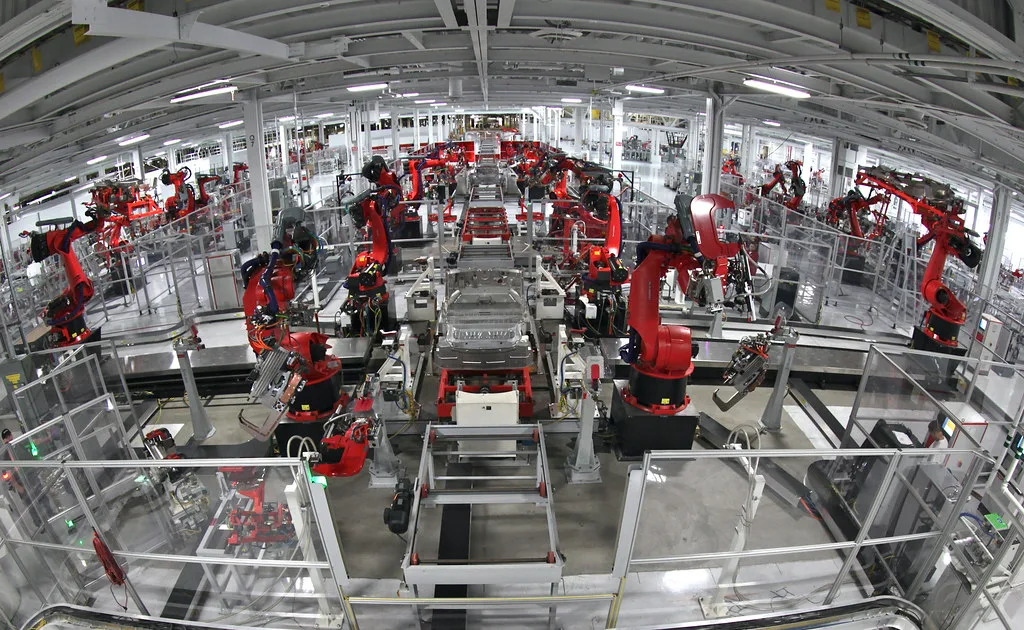
The $20 billion investment will prioritize the expansion of existing brownfield sites and the development of new, highly automated steel mills. By integrating advanced production technologies, JSW Steel intends to improve output efficiency while simultaneously reducing the carbon footprint of its manufacturing processes.
Market experts point out that this scale of investment is critical to maintaining supply chain stability. ‘To meet the government’s ambitious infrastructure targets, producers must aggressively expand capacity today,’ says Anish Gupta, a senior industrial sector strategist. ‘JSW is positioning itself to be the primary beneficiary of this demand, creating a significant barrier to entry for smaller competitors.’
Data from the World Steel Association reinforces this optimism, showing that India remains one of the few global markets where steel demand continues to show consistent, year-over-year growth. As urbanization rates rise, the demand for construction steel—specifically rebar and structural sections—remains the primary driver of this industrial expansion.
Industry Implications
For the broader Indian economy, the massive infusion of capital signifies a vote of confidence in the country’s long-term fiscal policy and industrial stability. The expansion is expected to create thousands of jobs in both the construction and operational phases, further stimulating regional economic development in industrial hubs.
For stakeholders and investors, the move suggests a shift toward long-term value creation over short-term dividends. The industry now faces the challenge of managing rising energy costs and global price volatility, which could impact margins despite the high volume of demand.
Industry watchers should monitor upcoming quarterly results to see how JSW Steel balances this heavy capital expenditure with debt management. The coming months will also reveal whether other domestic players, such as Tata Steel or SAIL, will announce similar capacity upgrades to maintain their market share in an increasingly competitive environment.