





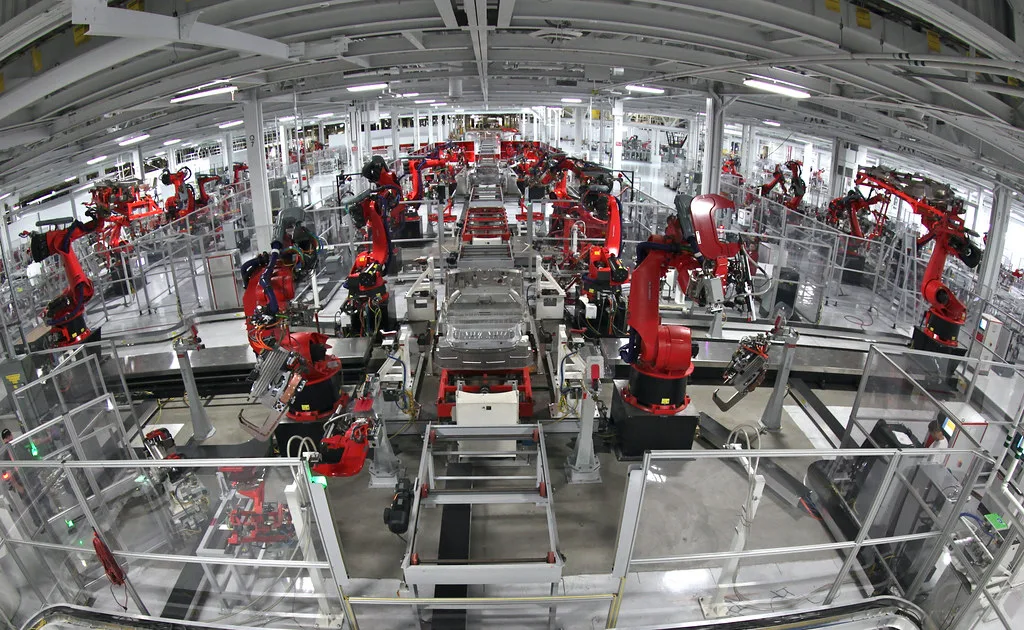
Production Surge Driven by Domestic Demand
India’s crude steel production reached 14.21 million tonnes in May 2026, marking a 2.9 percent year-on-year increase according to data released by the Ministry of Steel on Thursday. This expansion reflects a broader trend of industrial momentum, as domestic finished steel consumption surged by 9.0 percent during the same month to reach 14.33 million tonnes.
Contextualizing the Steel Industry Growth
The steel sector serves as a bellwether for India’s economic health, particularly given the government’s aggressive infrastructure push. For the April-May 2026 period, crude steel output climbed to 28.04 million tonnes, a 2.7 percent rise compared to the previous year. This growth trajectory is supported by a total crude steelmaking capacity that has reached approximately 220 million tonnes per annum (MTPA) in the 2025-26 fiscal year.
Infrastructure and Manufacturing Drivers
The sustained appetite for steel is largely attributed to robust activity in the construction, infrastructure, and manufacturing sectors. Finished steel production in April-May 2026 hit 27.36 million tonnes, a 6.4 percent growth compared to the corresponding period last year. Industry analysts note that while production is scaling, consumption is outpacing domestic supply, creating a gap that is increasingly being filled by international trade.
Shifting Trade Dynamics and Import Volumes
Trade data indicates a significant shift in India’s position within the global steel market. In May 2026, imports rose by 62.5 percent year-on-year to reach 0.69 million tonnes, while exports grew by 29.9 percent to 0.51 million tonnes. During the April-May period, India remained a net importer, with total imports climbing by 45.0 percent. This uptick in imports suggests that domestic producers are facing stiff competition from global players, even as local capacity expansion remains a top priority.
Price Volatility and Market Outlook
Domestic steel prices experienced a slight cooling trend in May 2026, with month-on-month declines across major product categories. TMT and rebar prices dipped 1.3 percent, while flat steel products like Hot Rolled (HR) Coils and Galvanized Plain (GP) sheets saw marginal drops of 0.2 percent. Despite these short-term dips, TMT prices managed a 4.5 percent year-on-year gain, marking a critical recovery after months of price stagnation.
Strategic Implications for the Future
The industry remains firmly on track to meet the National Steel Policy target of 300 MTPA by 2030, provided that capacity utilization keeps pace with current consumption rates. Stakeholders should monitor the widening gap between domestic production and consumption, as it will likely dictate trade policy and import duty adjustments in the coming quarters. Furthermore, the sustainability of the infrastructure-led demand cycle will be the primary factor in determining whether domestic price growth can maintain its positive momentum throughout the remainder of the fiscal year.