





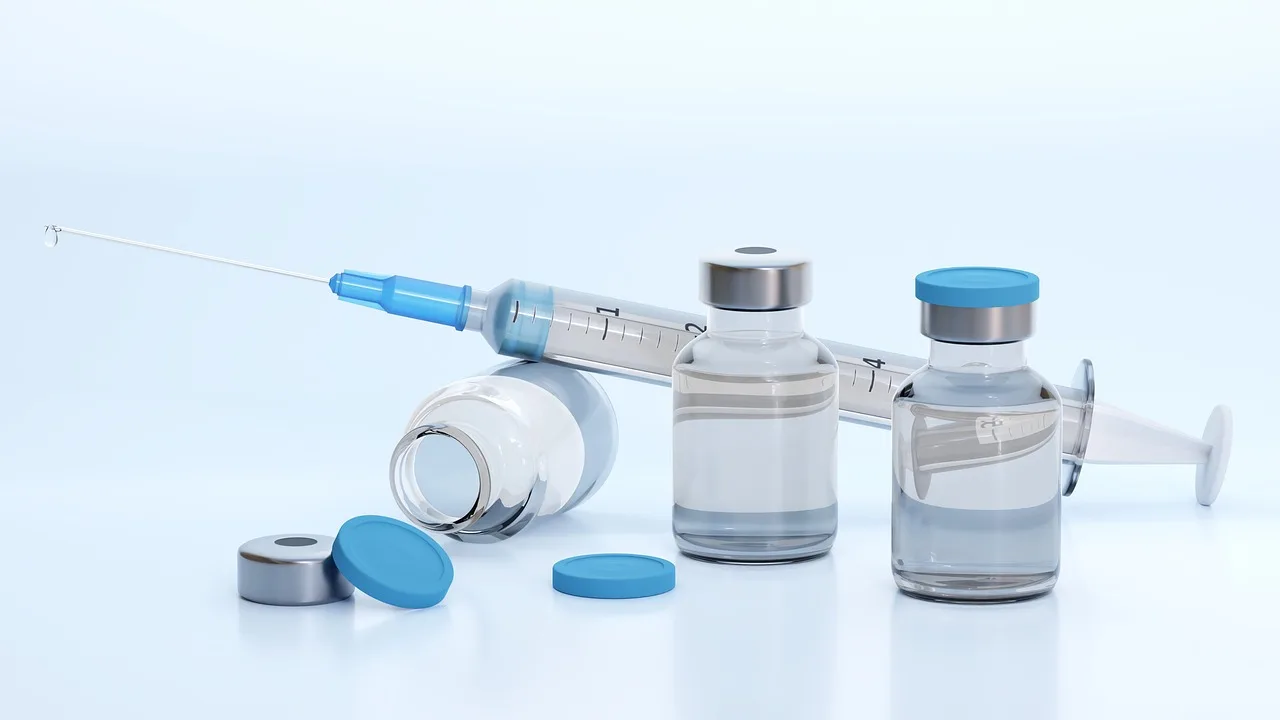
Regulatory Crackdown on Pharmaceutical Quality
Punjab’s drug regulatory authority has officially revoked the manufacturing license of Jackson Laboratories and mandated a nationwide recall of its oxytocin injections following an investigation into five maternal deaths in Rajasthan. The regulatory action, finalized this week, follows findings of systemic quality lapses and the unauthorized continuation of production despite explicit government stop-orders.
The Context of Oxytocin Regulation
Oxytocin is a critical hormone used extensively in obstetric care to induce labor and prevent postpartum hemorrhage. Due to its life-saving potential, the drug is strictly regulated to ensure potency and purity. However, the industry has faced persistent challenges regarding counterfeit or substandard batches that fail to meet safety standards, leading to severe complications for patients.
Details of the Investigation
Investigators uncovered evidence of widespread data manipulation within the company’s quality control documentation. The probe revealed that Jackson Laboratories failed to adhere to Good Manufacturing Practices (GMP), compromising the chemical stability of the drug. Furthermore, the company reportedly ignored official directives to cease production, continuing to distribute batches that were later tied to the fatal incidents in Rajasthan.
Expert Perspectives and Data
Medical experts emphasize that substandard oxytocin can lead to uterine rupture or severe allergic reactions, both of which are life-threatening. According to the World Health Organization (WHO), the efficacy of oxytocin is highly dependent on temperature-controlled storage and rigorous manufacturing standards. Independent lab testing conducted during the probe confirmed that the samples from the implicated batches contained impurities that deviated significantly from national pharmacopeia standards.
Industry Implications
This revocation serves as a stern warning to the pharmaceutical manufacturing sector regarding the consequences of regulatory non-compliance. Regulatory bodies are expected to intensify oversight of mid-sized manufacturers, with increased frequency of unannounced inspections. For healthcare providers, the incident underscores the necessity of verifying the provenance of critical medications to ensure patient safety.
Future Outlook
Moving forward, the focus shifts to the nationwide recall process and the potential for criminal charges against the laboratory’s management. Industry analysts are now watching for heightened legislative pressure to implement blockchain-based tracking for essential drugs, which would prevent substandard products from entering the supply chain. The coming months will likely see a broader audit of similar manufacturing facilities across the region to prevent further public health crises.