








India has launched an ambitious national green hydrogen mission this year, aiming to position the nation as a global hub for the production and export of clean energy to mitigate the escalating impacts of climate change. By aggressively scaling up electrolyzer manufacturing and renewable energy capacity, the Indian government intends to slash industrial carbon emissions and pivot away from its heavy historical reliance on imported fossil fuels.
Context and Strategic Urgency
For decades, India has grappled with the dual challenge of rapidly increasing energy demands and the necessity to decarbonize its economy. As one of the world’s largest importers of crude oil and natural gas, the country faces significant exposure to volatile global energy markets.
The shift toward green hydrogen—produced by splitting water into hydrogen and oxygen using renewable electricity—represents a strategic move toward energy independence. This transition is anchored by the National Green Hydrogen Mission, which has secured an initial outlay of approximately $2.3 billion to incentivize production and infrastructure development.
Scaling the Hydrogen Economy
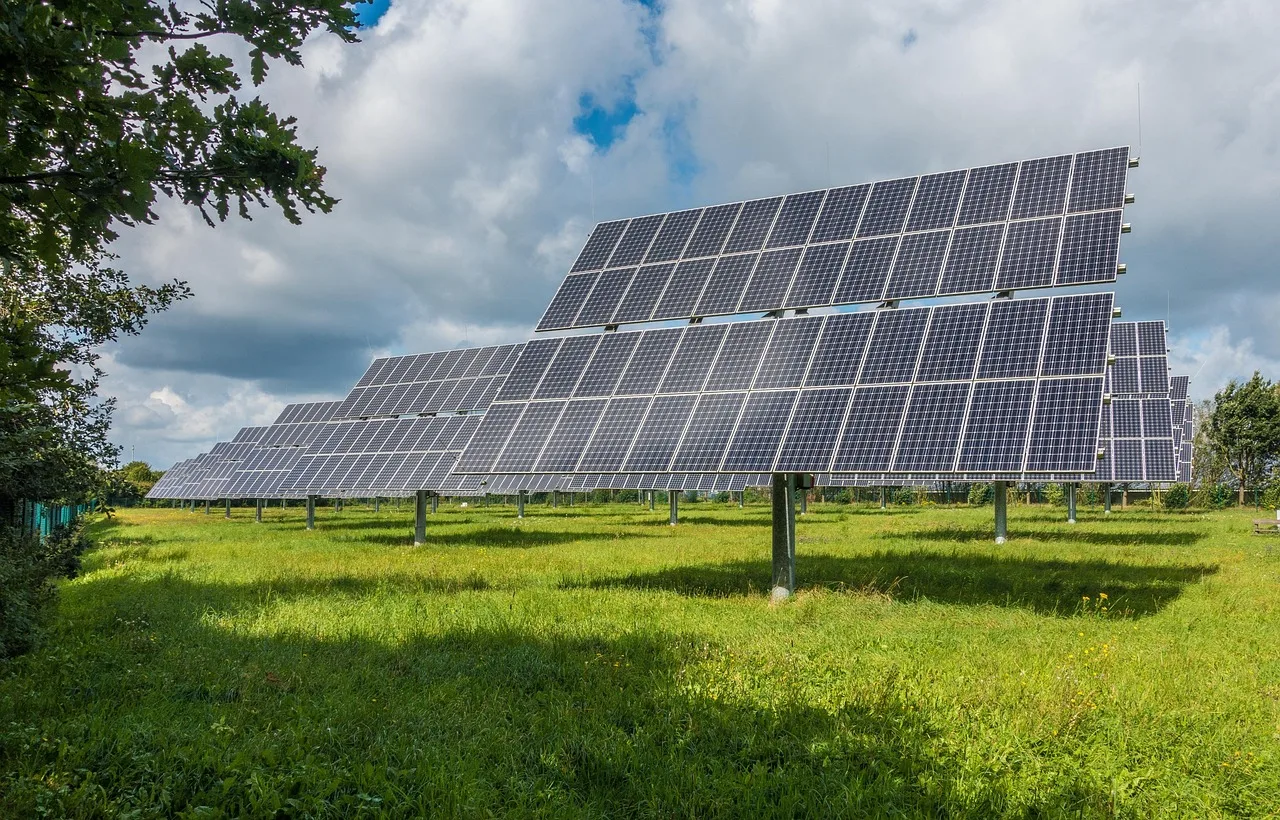
The government has set a production target of 5 million metric tons per annum by 2030, a goal that requires a massive expansion of solar and wind energy grids. Industry leaders are currently pivoting toward pilot projects in hard-to-abate sectors such as steel manufacturing, heavy-duty transport, and fertilizer production.
Infrastructure development remains a primary focus, with plans for the creation of green hydrogen hubs and specialized pipelines. By leveraging India’s competitive renewable energy tariffs, which rank among the lowest globally, the mission seeks to drive down the cost of green hydrogen to a point where it becomes economically viable for industrial use.
Expert Perspectives and Economic Data
Energy analysts from the International Energy Agency (IEA) suggest that India’s cost-efficiency in renewable energy generation gives it a distinct advantage in the global hydrogen race. According to recent reports, lowering the cost of electrolyzers remains the single biggest hurdle to widespread adoption.
Dr. Anjali Rao, a senior climate policy researcher, notes that the success of this initiative depends on the rapid scaling of domestic supply chains. “If India can localize the manufacturing of electrolyzers, it will not only reduce capital expenditure but also spark a new manufacturing boom,” she stated.
Implications for the Industrial Landscape
The transition is set to fundamentally reshape India’s industrial sector, placing high-emission industries under pressure to adopt cleaner alternatives. For international investors, the mission offers a lucrative entry point into the emerging South Asian green technology market.
However, the shift is not without challenges. The requirement for vast amounts of water and consistent renewable power supply necessitates robust long-term infrastructure planning. Success will depend on the government’s ability to streamline regulatory frameworks and provide consistent subsidies to early adopters.
Looking Ahead
Market observers are now watching for the upcoming round of government tenders, which will reveal the level of private sector appetite for large-scale hydrogen integration. As global interest in hydrogen grows, India’s ability to secure technological partnerships and maintain its renewable energy growth rate will be the primary indicators of its progress in establishing a sustainable, carbon-neutral energy future.