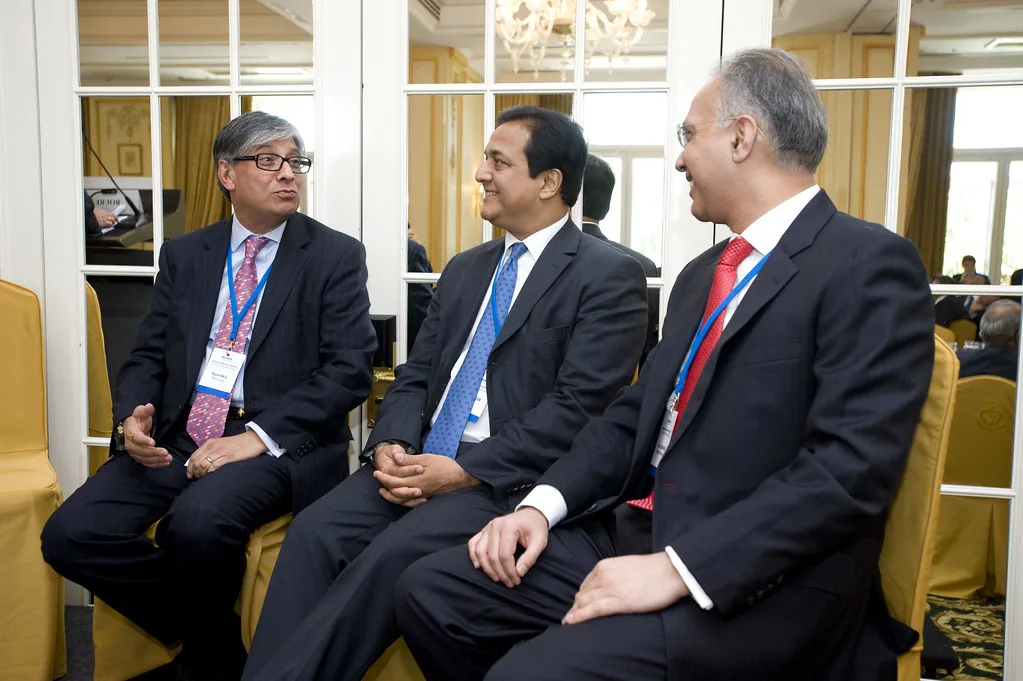





Delegates from India and the United Arab Emirates convened this week for the latest session of the High Level Joint Task Force on Investments, focusing on accelerating bilateral growth and streamlining cross-border capital flows. Held in an atmosphere of mutual cooperation, the meeting aimed to capitalize on the momentum generated by the Comprehensive Economic Partnership Agreement (CEPA), which has served as a catalyst for trade expansion since its implementation.
Building on the CEPA Foundation
The India-UAE Comprehensive Economic Partnership Agreement, which came into effect in May 2022, has fundamentally reshaped the economic corridor between the two nations. By reducing tariffs and eliminating trade barriers, the agreement has facilitated a significant uptick in non-oil trade, moving both countries toward a target of $100 billion in non-oil bilateral trade by 2030.
The Joint Task Force serves as the primary mechanism to resolve regulatory bottlenecks and identify high-potential sectors for joint investment. Officials from both sides reviewed the progress of existing initiatives, including digital infrastructure projects, renewable energy collaborations, and logistics integration.
Strategic Sectors and Investment Flows
Investment discussions centered on the expansion of the UAE’s sovereign wealth funds into India’s burgeoning technology and manufacturing sectors. Data from the Ministry of Commerce and Industry indicates that UAE-based entities have consistently increased their foreign direct investment (FDI) in India, particularly in the fields of green hydrogen and semiconductor manufacturing.
On the Indian side, the focus remains on leveraging the UAE as a gateway to the broader Middle East and African markets. Indian businesses are increasingly utilizing the UAE’s free trade zones to establish regional headquarters, effectively bridging the gap between South Asian production capabilities and global supply chains.
Expert Insights on Bilateral Synergy
Economic analysts suggest that the synergy between the two nations is driven by complementary needs. While India offers a vast, skilled workforce and a rapidly digitizing consumer market, the UAE provides the capital density and world-class infrastructure necessary to scale industrial operations.
“The formalization of these investment channels reduces the friction that typically plagues international expansion,” says Dr. Anjali Mehta, a lead researcher in regional trade economics. “When government-backed task forces align their regulatory frameworks, it provides the private sector with the long-term confidence required to commit billions in capital.”
Long-term Implications and Future Outlook
The deepening of these ties signals a shift toward a more integrated geopolitical and economic bloc in the Indian Ocean region. For businesses, this means increased access to cheaper financing and a more predictable regulatory environment for those operating within the CEPA framework.
Observers should watch for upcoming announcements regarding the creation of a unified digital payment interface between the two nations, a project aimed at simplifying small-to-medium enterprise transactions. Additionally, further announcements regarding joint industrial parks in India’s western states are expected in the coming quarter, which will provide a clearer picture of how the two nations intend to harmonize their supply chain logistics in the years ahead.