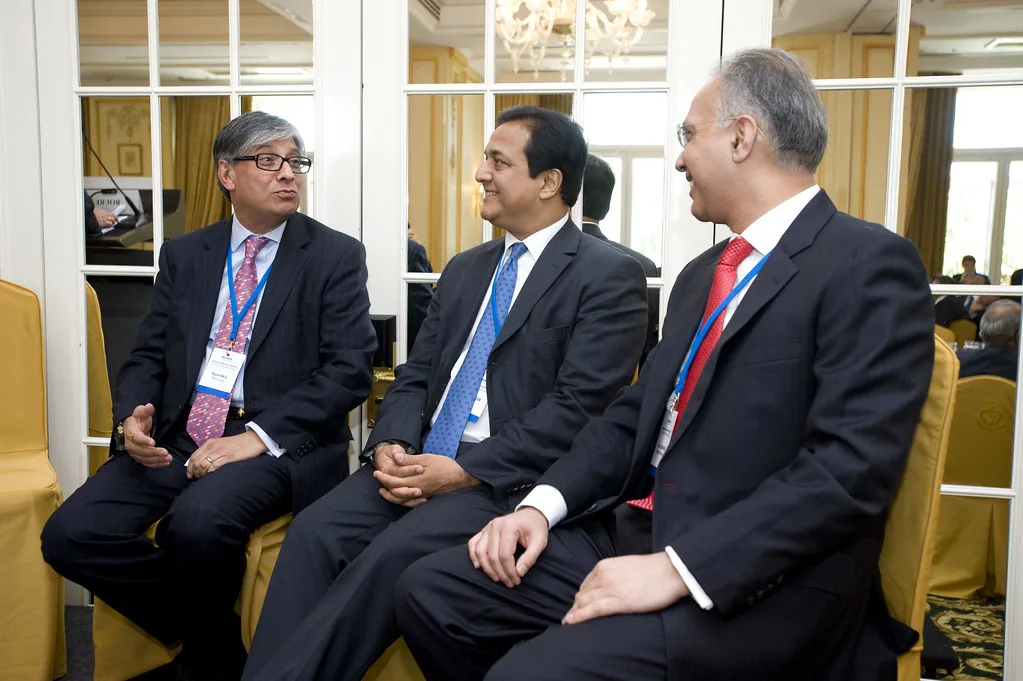




Union Minister for Commerce and Industry Piyush Goyal announced on Thursday that India is set to implement two to three major free trade agreements (FTAs) within the next six months, with an additional three to four pacts expected to take effect by 2027. Speaking at the Citi India Conference 2026 in Mumbai, the minister outlined an aggressive timeline for finalizing deals that aim to bolster India’s integration into the global economy.
Expanding the Trade Footprint
Over the past three-and-a-half years, the Indian government has prioritized the expansion of its trade network, successfully finalizing nine FTAs. These include strategic partnerships with nations and blocs such as the UAE, Australia, Mauritius, Oman, and the European Free Trade Association (EFTA).
While several of these agreements, including those with the UAE and Australia, are already operational, others are currently in the final stages of implementation. The government’s strategy focuses on securing preferential market access for Indian goods and services to sustain long-term economic growth.
Economic Resilience and Energy Security
Minister Goyal emphasized that these trade initiatives are part of a broader effort to insulate the domestic economy from global volatility. He highlighted India’s ability to manage inflation and maintain energy security despite the ongoing crisis in West Asia.
By diversifying energy sources away from a sole reliance on the Gulf, India has maintained uninterrupted supplies of petrol, diesel, and LNG. This strategic diversification has allowed the nation to keep domestic fuel prices stable and ensure that essential inputs, such as fertilizer for the agricultural sector, remain available despite global supply chain disruptions.
Strategic Implications for Industry
The acceleration of these trade pacts carries significant weight for the Indian industrial sector. Minister Goyal urged domestic businesses to commit to long-term capital investments, noting that early movers are likely to capture the most substantial returns as these new markets open up.
For the average consumer and the manufacturing sector, these agreements represent a dual advantage: access to a wider variety of global inputs at competitive prices and increased export potential for domestic products. The government’s focus remains on creating a predictable and enabling environment for trade, which is expected to attract higher levels of foreign direct investment.
Future Outlook
Looking ahead, the focus shifts to the full activation of the nine finalized agreements, which the Ministry expects to be completed within the next nine to ten months. Market analysts will be watching closely for the impact of these deals on India’s trade deficit and its specific sectoral growth performance in the coming fiscal years. Additionally, the continued diversification of energy supply chains will remain a critical metric for assessing India’s resilience against geopolitical instability in the Middle East.