




The Indian economy is projected to expand by 7.4% in the 2025-26 fiscal year, according to the government’s First Advanced Estimates released this week. Despite escalating concerns over potential US tariff policies and global trade volatility, domestic consumption and infrastructure investment remain the primary drivers of this sustained economic momentum.
Context of the Growth Trajectory
This growth forecast arrives as the global economic landscape faces significant uncertainty. Trade protectionism and shifting geopolitical alliances have created headwinds for emerging markets, yet India has maintained a consistent growth trajectory compared to other major global economies.
Economists note that the resilience of the Indian market is largely attributed to a robust domestic service sector and a consistent uptick in manufacturing output. The government’s focus on capital expenditure, particularly in transportation and digital infrastructure, continues to crowd in private investment.
Analyzing the Impact of Trade Barriers
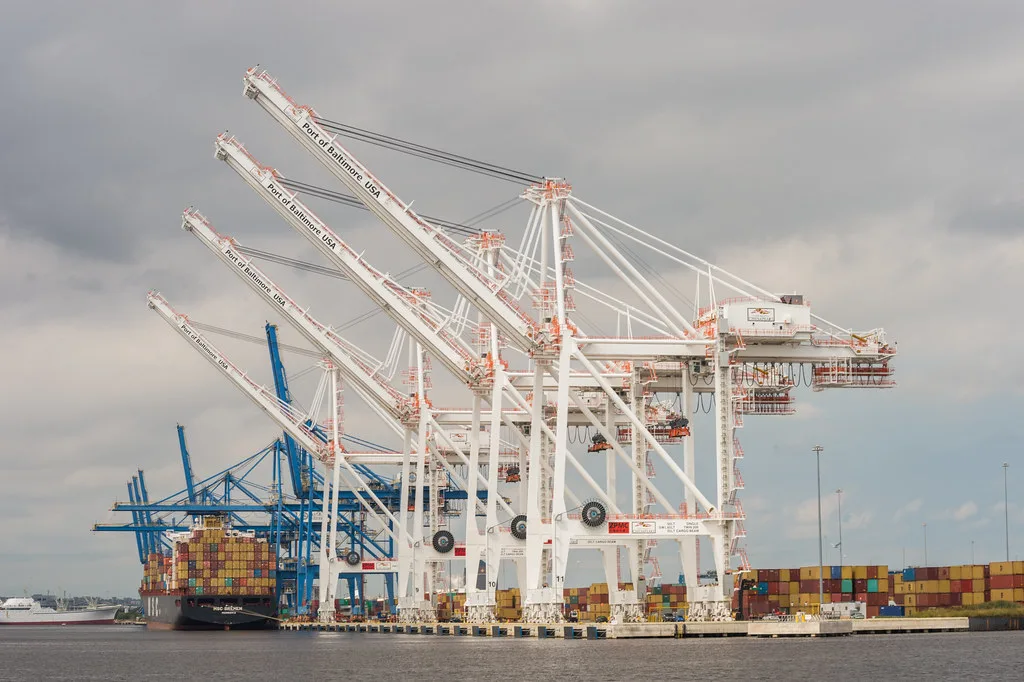
While the 7.4% figure reflects optimism, market analysts are closely monitoring the potential impact of US tariff adjustments. Trade experts suggest that while export-oriented sectors like pharmaceuticals and textiles may face short-term friction, the overall impact on India‘s GDP is mitigated by the country’s high reliance on internal demand.
Data from the Ministry of Statistics and Programme Implementation indicates that private final consumption expenditure remains the backbone of the economy. This internal demand acts as a hedge against the volatility often associated with international trade disputes.
Expert Perspectives and Economic Data
Financial analysts at major investment firms have largely echoed the government’s projections, citing stable inflation levels and a healthy banking sector as critical buffers. According to recent Reserve Bank of India reports, credit growth remains strong, supporting both consumer spending and industrial expansion.
“The resilience of India’s GDP is not accidental; it is the result of structural reforms implemented over the last several years,” says an independent financial consultant. “The shift toward formalization of the economy has provided a more accurate and stable foundation for tracking growth metrics.”
Broader Economic Implications
For the average reader and the broader industry, this growth indicates a stable environment for employment and investment. A 7.4% expansion suggests that corporate earnings are likely to remain healthy, providing a positive outlook for the equity markets and business expansion plans.
However, the industry must remain vigilant regarding global supply chain shifts. Companies are increasingly diversifying their logistics networks to account for potential disruptions, a trend that is likely to continue throughout the fiscal year.
Looking ahead, stakeholders should monitor upcoming quarterly earnings reports and the impact of the next round of global trade negotiations. The sustainability of this growth will depend heavily on the government’s ability to maintain fiscal discipline while fostering an environment conducive to foreign direct investment amid a tightening global liquidity cycle.