





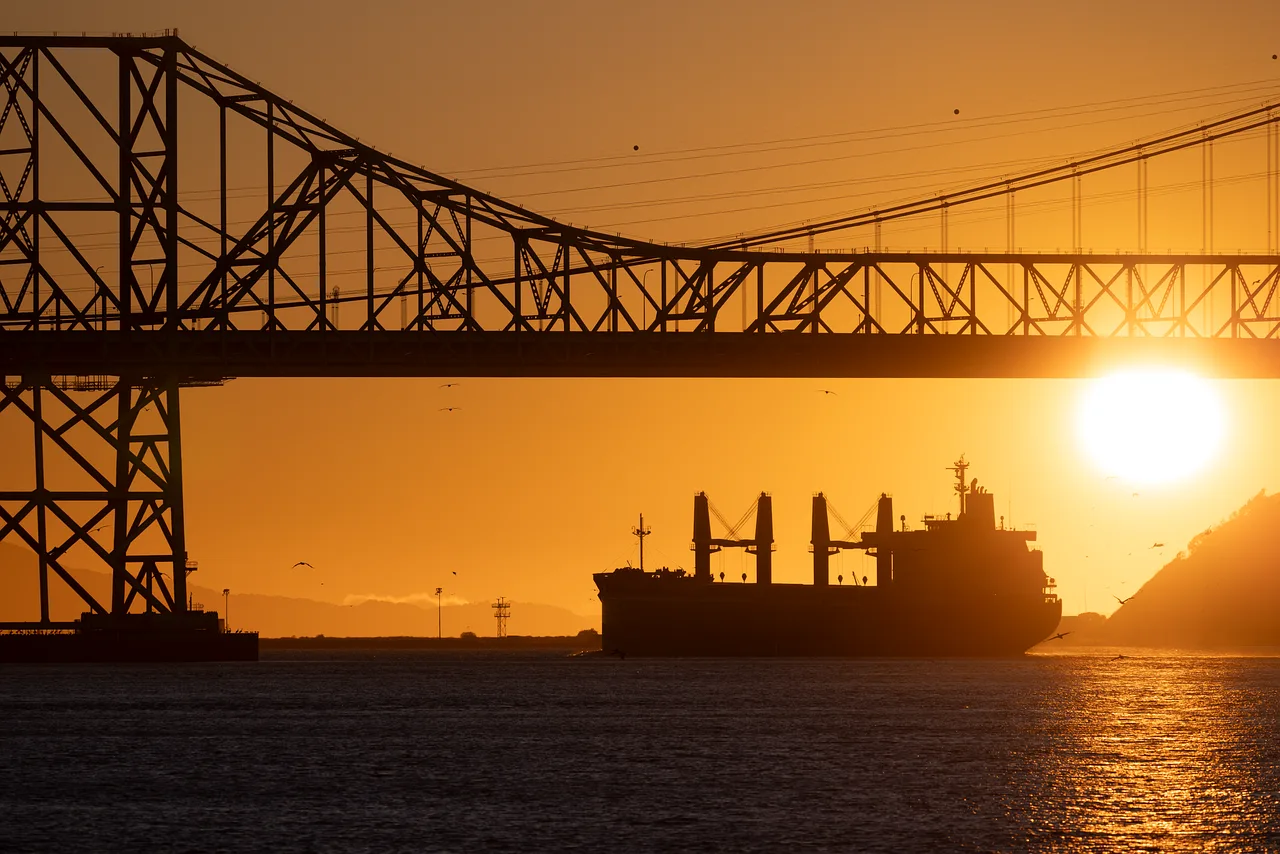
The LPG tanker Sarv Shakti successfully traversed the Strait of Hormuz this week, marking the first recorded passage of an India-linked vessel through the critical chokepoint since the United States initiated a strict blockade targeting ships with suspected ties to Iranian interests. This transit occurs as New Delhi grapples with a tightening domestic fuel supply, highlighting the complex geopolitical pressures facing energy-importing nations reliant on Middle Eastern corridors.
The Context of the Blockade
The U.S. government has recently intensified its enforcement of sanctions against Iranian shipping networks, aimed at curbing revenue streams that Washington claims support regional militant groups. These measures have created a high-risk environment for maritime logistics companies operating in the Persian Gulf.
For India, the situation is particularly delicate. As one of the world’s largest importers of crude oil and liquefied petroleum gas (LPG), the country relies heavily on sea routes that transit through the Strait of Hormuz. Disruptions in this narrow waterway directly threaten the stability of India’s energy grid and the affordability of fuel for its domestic market.
Geopolitical and Economic Pressures
The movement of the Sarv Shakti underscores the precarious balance India must maintain between its strategic partnership with the United States and its pragmatic energy needs. While New Delhi has largely complied with international sanction regimes, the necessity of securing affordable energy supplies often forces Indian firms to navigate the fine line between legal compliance and economic survival.
Industry analysts suggest that the tanker’s passage may signal a shift in how regional actors are testing the boundaries of the current blockade. The vessel’s journey serves as a litmus test for whether existing diplomatic channels can prevent localized fuel shortages from escalating into broader supply chain crises.
Expert Analysis and Market Data
Maritime tracking data from Kpler and MarineTraffic indicates that the Strait of Hormuz remains the most vital global artery for energy, with approximately 20% of the world’s total petroleum liquids passing through it daily. Any sustained restriction on ship traffic through this area could lead to a rapid spike in global LPG and crude prices.
Energy economist Dr. Aris Thorne noted, “The current blockade is not just about sanctions; it is about the physical management of maritime corridors. When an India-linked ship successfully maneuvers through this environment, it reflects a calculated effort to maintain energy continuity despite the heightened risk of interception or regulatory scrutiny.”
Future Implications for Global Trade
Looking ahead, industry stakeholders are closely monitoring whether the Sarv Shakti’s successful transit will lead to a surge in similar passages or if the U.S. will respond with stricter enforcement protocols. The incident highlights the vulnerability of India’s import-dependent economy to shifts in maritime security policy.
Observers should watch for upcoming trade data reports from the Indian Ministry of Petroleum and Natural Gas to determine if this voyage marks a sustained policy pivot or an isolated incident. Furthermore, the response from U.S. Treasury officials regarding the vessel’s documentation will likely dictate the risk appetite of other shipping companies operating in the region throughout the remainder of the quarter.