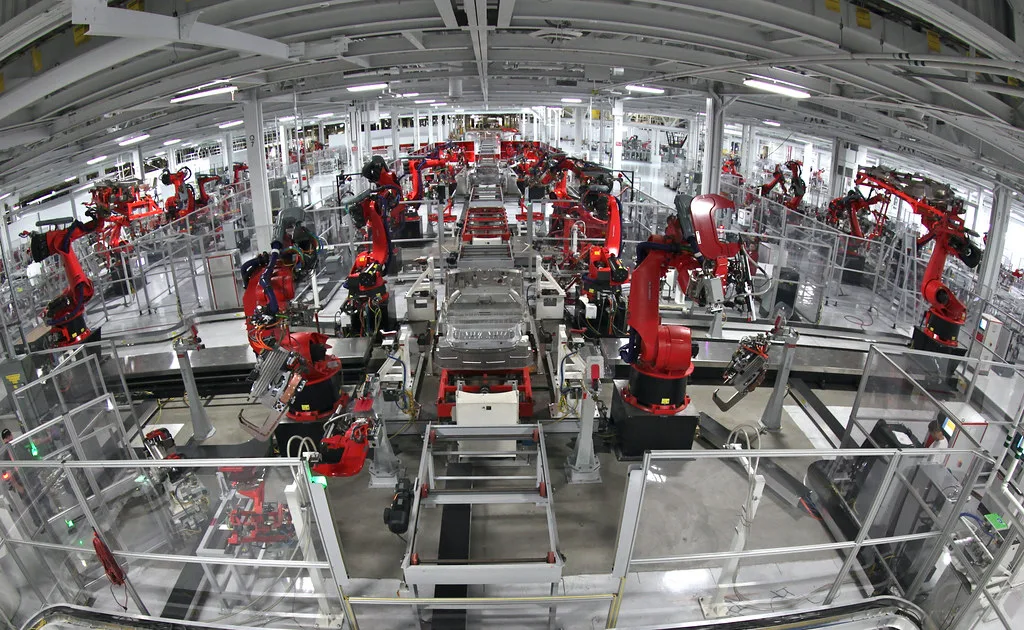





Bank credit growth in India accelerated significantly in March, with lending to the industrial sector climbing by 15% year-on-year, according to the latest data released by the Reserve Bank of India (RBI). This robust expansion, supported by sustained demand across services and retail portfolios, highlights a resilient credit environment as large corporations and Non-Banking Financial Companies (NBFCs) ramped up borrowing to fuel operational growth and capital expenditure.
Understanding the Credit Landscape
The Reserve Bank of India’s monthly sectoral deployment data provides a granular look at how capital is flowing through the economy. Historically, credit growth serves as a lead indicator for broader economic activity, reflecting the confidence of businesses in future market conditions.
This recent upswing follows a period of cautious lending following the pandemic. As economic activity has normalized, banks have shifted from a conservative stance to an aggressive expansion strategy, particularly targeting high-credit-quality corporate borrowers.
Drivers of the Lending Boom
The 15% growth in industrial credit was primarily propelled by large-scale infrastructure projects and manufacturing initiatives. The RBI data indicates that while micro, small, and medium enterprises (MSMEs) saw steady growth, the surge was heavily concentrated among large firms.
Simultaneously, the services sector saw a marked increase in credit uptake, driven by hospitality, trade, and professional services. The retail segment also remained a primary engine of growth, as personal loans for housing, vehicles, and consumer durables continued to see high penetration rates among middle-income households.
The role of NBFCs in this cycle is particularly notable. Large banks have increasingly funneled credit to NBFCs, which act as intermediaries to reach smaller, unbanked segments of the economy, effectively broadening the reach of the credit expansion.
Expert Perspectives on Financial Health
Market analysts suggest that this growth is not merely a reflection of increased demand but also a result of improved bank balance sheets. With gross non-performing assets (GNPA) at decade lows, lenders possess the capital adequacy required to support large-scale credit disbursement.
“The dual engine of corporate capital expenditure and retail consumption is currently firing,” says a senior banking analyst. “The challenge moving forward will be maintaining this velocity without compromising asset quality as interest rates remain elevated.”
Data from the RBI’s Financial Stability Report suggests that the banking sector’s capital-to-risk-weighted assets ratio (CRAR) remains well above regulatory requirements. This provides a safety net that allows banks to continue lending despite global macroeconomic uncertainties.
Implications for the Economic Horizon
For the broader industry, this credit availability suggests that firms are positioning themselves for an extended cycle of growth. Increased borrowing by large corporations typically precedes a rise in production capacity and employment generation.
For retail consumers, the sustained credit flow indicates that lending institutions remain optimistic about household repayment capacity. However, the reliance on credit-led growth means that the sector is sensitive to interest rate policy shifts.
Moving forward, stakeholders are watching the RBI’s stance on repo rates, as any tightening could moderate the pace of credit growth in the coming quarters. Analysts will also monitor the credit-to-deposit ratio, as banks must continue to mobilize deposits at a sufficient rate to fund this ongoing lending surge without facing a liquidity crunch.