




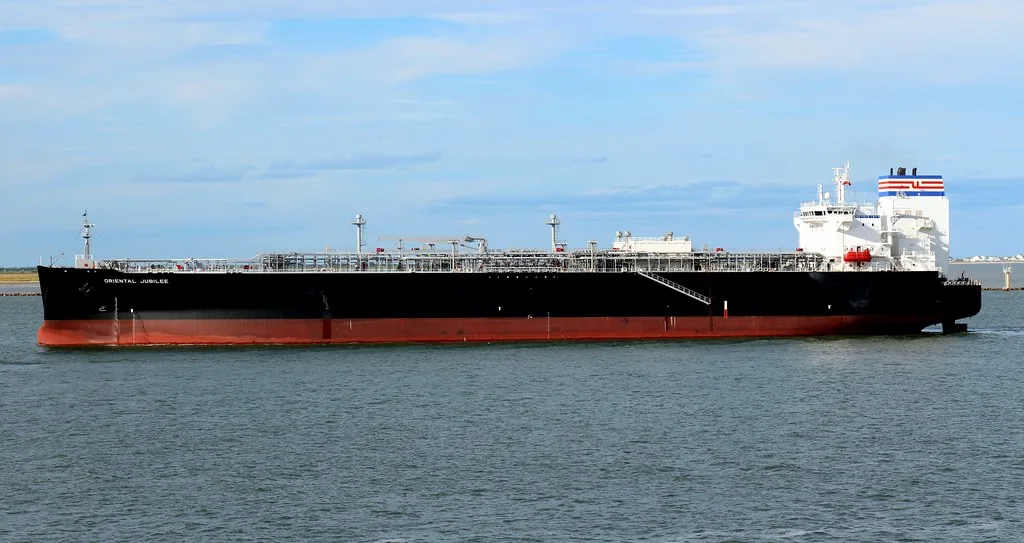
An India-linked liquefied petroleum gas (LPG) tanker, the Sarv Shakti, successfully crossed the Strait of Hormuz this week, marking the first recorded transit of a vessel with Indian ties since the United States initiated a restrictive blockade targeting ships associated with Iranian commerce. This transit occurs as India grapples with a deepening domestic fuel crisis, highlighting the precarious balance New Delhi must maintain between its energy security requirements and the intensifying geopolitical pressures surrounding the Persian Gulf.
Context of the Maritime Blockade
The U.S. government has recently intensified its enforcement of sanctions aimed at curbing Iran’s revenue streams, specifically targeting the maritime logistics network that facilitates the transport of Iranian hydrocarbons. These measures have created a bottleneck in the Strait of Hormuz, a critical chokepoint through which approximately one-fifth of the world’s oil consumption flows daily.
For India, the world’s third-largest oil importer, the disruption has caused significant friction in supply chains. Historically, India has relied on a diverse portfolio of energy suppliers, but tightened U.S. sanctions have complicated the ability of Indian shipping firms to operate in waters monitored by Western naval forces.
Navigating Geopolitical Risks
The passage of the Sarv Shakti serves as a bellwether for how commercial entities are navigating the current high-stakes maritime environment. Tracking data confirms the vessel entered the strait under heavy scrutiny, reflecting the heightened risk profile for any ship suspected of circumventing existing trade restrictions.
Industry analysts suggest that the tanker’s movement indicates a calculated effort by Indian energy stakeholders to maintain consistent fuel imports despite the threat of secondary sanctions. The vessel’s successful transit suggests that some operators are finding narrow windows of clearance to bypass the blockade, though such maneuvers remain fraught with legal and insurance-related challenges.
Expert Analysis and Economic Impact
“The current situation creates a paradox where energy necessity is colliding head-on with international security policy,” says maritime trade analyst Dr. Marcus Thorne. “For a growing economy like India, any disruption in LPG supply has immediate ripple effects, impacting both residential heating and industrial manufacturing costs.”
Recent data from the International Energy Agency (IEA) indicates that global LPG prices remain sensitive to any volatility in the Middle East. With India’s domestic demand for clean cooking fuels rising, the government is under immense pressure to secure reliable supply routes that are not subject to the whims of regional blockades.
Broader Implications for Energy Markets
The implications of this transit extend beyond immediate fuel availability. If India continues to prioritize these specific trade corridors, it may face diplomatic friction with Washington. Conversely, failing to secure these imports could lead to severe energy shortages that would dampen the country’s industrial growth trajectory.
Market observers are now closely monitoring whether the Sarv Shakti transit will set a precedent for other India-linked vessels to follow suit. The coming weeks will likely see an increase in naval patrols by both Western coalitions and regional powers, potentially leading to further standoffs in the narrow waters of the Persian Gulf.
Looking ahead, the focus remains on whether diplomatic back-channel negotiations can establish a clearer framework for energy-related shipping. Observers should watch for new maritime insurance protocols and potential adjustments to U.S. enforcement strategies that might allow for humanitarian energy exemptions to prevent a wider regional economic crisis.