





Hindustan Unilever Limited (HUL), India’s largest fast-moving consumer goods (FMCG) company, reported a 10.7% decline in its permanent workforce to 5,898 employees for the fiscal year 2026. This contraction occurs alongside a strategic capital expenditure of ₹2,000 crore directed toward scaling manufacturing capacity in high-growth premium product segments.
Strategic Shift in Labor Composition
The reduction in permanent headcount signals a broader transformation within the FMCG sector as major players pivot toward automation and agile operational models. While the company shed permanent roles, it maintained a focus on talent retention, reporting a 6.08% increase in the median employee remuneration for the year.
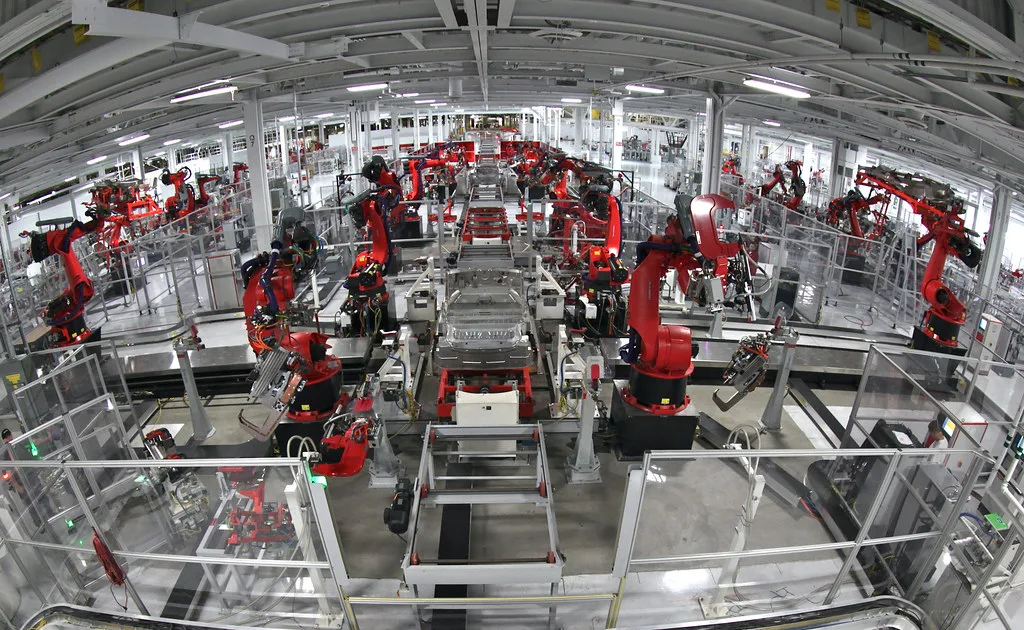
Industry analysts suggest that the decline in permanent staff is not necessarily a sign of downsizing, but rather a reflection of HUL’s transition toward digital-first manufacturing. Modern facilities, particularly those catering to premium categories, require higher levels of technical specialization compared to traditional assembly lines.
Investing in Premium Growth
The ₹2,000 crore investment is earmarked for capacity expansion, specifically targeting high-margin categories such as premium personal care and specialized home care products. By focusing on these segments, HUL aims to insulate its margins against the volatility often seen in mass-market staples.
Data from the company’s annual filings indicate that the shift toward premiumization requires a different labor mix. The company is increasingly prioritizing capital-intensive technology over labor-intensive manual processes to drive efficiency and output consistency.
Market and Industry Implications
The labor reduction at HUL mirrors a wider trend across the Indian manufacturing landscape, where firms are prioritizing robotics and artificial intelligence to manage rising operational costs. According to recent industry reports, the FMCG sector has seen a steady increase in reliance on contractual labor and technology-driven processes to maintain competitive edge.
For the workforce, this trend suggests a growing demand for advanced skill sets in data analytics, supply chain automation, and precision manufacturing. Employees who can operate sophisticated machinery are becoming more valuable, as evidenced by the rise in median remuneration despite the shrinking headcount.
Future Outlook and Trends to Watch
Market observers will be closely monitoring how HUL balances its increased reliance on automated systems with the need for a skilled workforce in the coming fiscal cycles. The success of the ₹2,000 crore investment in premium categories will likely determine the company’s long-term hiring trajectory.
As the company accelerates its digitalization initiatives, the industry should expect continued volatility in permanent payroll numbers. Stakeholders should watch for future disclosures regarding the ratio of permanent versus contractual staff and the specific impact of premiumization on the company’s overall profit margins.