









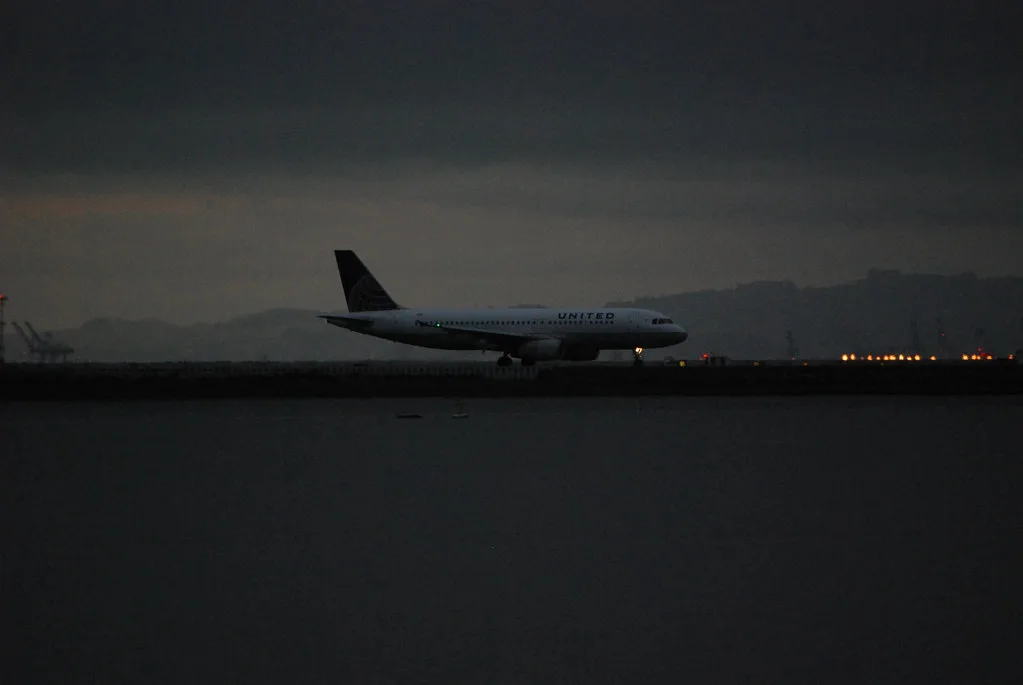
A Sharp Downturn in Aviation Forecasts
The International Air Transport Association (IATA) announced on Wednesday that global airline industry profits are expected to plummet by 50% in 2026, falling to $23 billion from a projected $45 billion in 2025. This significant contraction, detailed in the organization’s latest industry outlook, is driven primarily by escalating jet fuel prices and the destabilizing economic impact of the ongoing conflict in the Middle East.
Despite sustained record-breaking passenger demand, the aviation sector faces a narrowing margin of profitability that threatens to offset years of post-pandemic recovery. Industry analysts point to a volatile geopolitical landscape and energy market uncertainty as the primary drivers behind this sudden shift in fiscal health.
The Context of Market Volatility
The aviation industry has spent the last two years enjoying a robust rebound, characterized by high load factors and premium ticket pricing as global travel returned to pre-2019 levels. However, the industry remains structurally vulnerable to external shocks, particularly regarding energy prices, which typically account for nearly 30% of an airline’s operating expenses.
The conflict in the Middle East has introduced a new layer of risk, affecting both direct air corridors and global oil production stability. As regional tensions rise, insurance premiums for carriers operating in or near conflict zones have surged, further squeezing the bottom line for major international airlines.
Operational Challenges and Cost Pressures
Beyond the cost of fuel, airlines are grappling with persistent supply chain bottlenecks and inflationary pressures on labor and maintenance. IATA data indicates that while passenger numbers continue to climb, the cost per available seat kilometer (CASK) is rising faster than the average yield per passenger.
Expert analysis from IATA suggests that the industry is entering a phase of ‘profit normalization.’ After the pent-up demand of the ‘revenge travel’ era, consumers are becoming increasingly price-sensitive, limiting the ability of airlines to pass rising fuel costs onto the traveling public through higher airfares.
The Broader Industry Implications
This projected profit decline implies a more cautious approach to capital expenditure across the sector. Many airlines may be forced to delay fleet modernization programs or reduce capacity on less profitable routes to preserve cash flow during this period of economic headwinds.
For the average traveler, these industry challenges could manifest as a stabilization or slight increase in ticket prices, coupled with a decrease in flight frequency on secondary routes. Investors are already reacting, with airline stocks facing volatility as the market recalibrates expectations for the 2026 fiscal year.
Looking Toward the Future
Market observers are closely monitoring oil futures and regional stability in the Levant as key indicators for the sector’s performance in the coming months. If the conflict in the Middle East escalates further, or if global energy supplies face additional disruptions, IATA may be forced to revise its 2026 outlook downward once again.
The industry will also be watching for potential government interventions regarding sustainable aviation fuel (SAF) mandates, which remain a long-term cost factor that could further complicate financial forecasting. Airlines that can successfully optimize their fuel efficiency and diversify their revenue streams will be best positioned to weather the impending volatility of the next two years.