









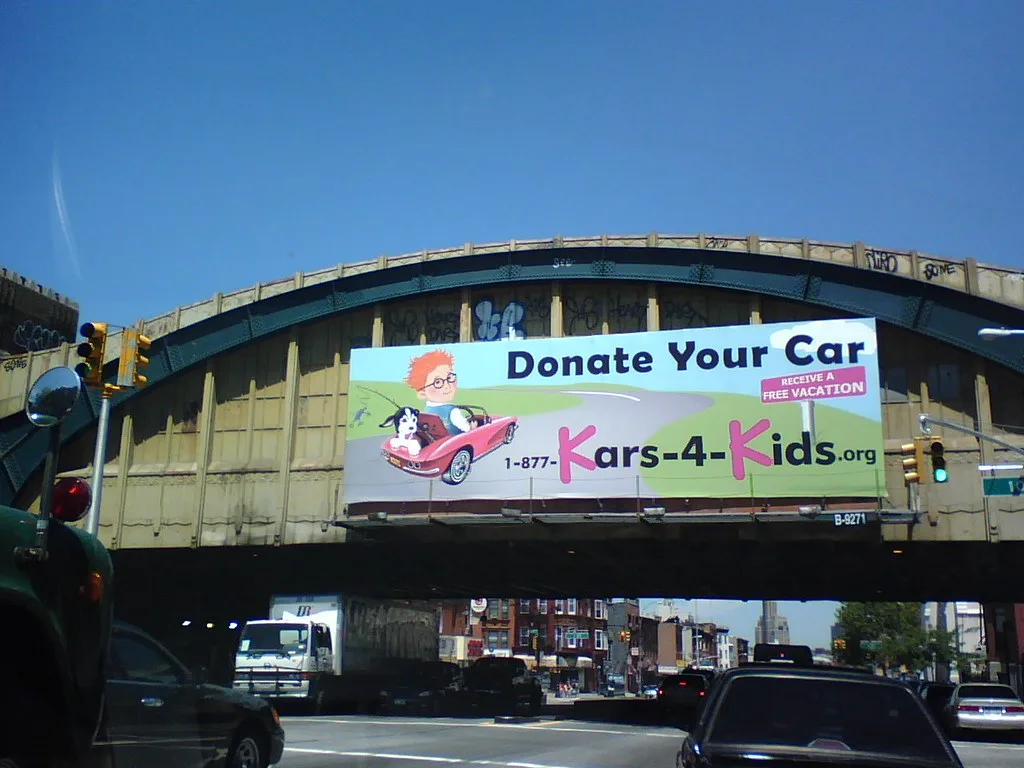
A federal appeals court has ruled that the charity Kars4Kids may continue broadcasting its ubiquitous radio and television advertisements in California, effectively staying an injunction that previously threatened to pull the spots off the air. The Ninth Circuit Court of Appeals issued the decision this week, temporarily halting a lower court order that had found the organization’s marketing tactics violated false-advertising laws.
The Legal Conflict Over Charitable Branding
The dispute centers on a long-standing trademark and false-advertising battle between Kars4Kids and a smaller, regional organization, the Kidney Car Foundation. The Kidney Car Foundation alleged that Kars4Kids misled California donors by failing to clearly disclose that the vast majority of its charitable proceeds are directed toward religious educational programs outside of the state.
Last month, a lower court judge ruled in favor of the plaintiffs, concluding that the Kars4Kids jingle and branding created a false impression regarding the primary beneficiaries of the donations. The court had ordered the charity to cease its advertising campaign within California, citing concerns that potential donors were being deceived about the scope and purpose of the organization’s philanthropy.
Analyzing the Appellate Court’s Decision
In its emergency stay, the Ninth Circuit did not issue a final ruling on the merits of the false-advertising claims. Instead, the court signaled that the charity presented sufficient legal arguments to warrant a pause on the enforcement of the injunction while the appeals process unfolds.
Legal experts suggest that the appellate court is weighing the constitutional protections afforded to charitable speech against the necessity of preventing consumer fraud. The case highlights the fine line between aggressive, high-visibility marketing and the legal requirement for transparency in charitable solicitations.
Industry Implications and Donor Transparency
The controversy underscores a broader trend in the non-profit sector regarding the scrutiny of national charities that solicit funds across state lines. As digital and broadcast marketing budgets for charities grow, regulatory bodies are increasingly examining whether national organizations provide adequate disclosures to local contributors.
Data from the Better Business Bureau’s Wise Giving Alliance suggests that transparency remains the primary driver of donor trust. Organizations that fail to clearly articulate their mission and the geographical reach of their programs often face heightened legal risks and public skepticism when their national messaging does not align with local expectations.
Looking Ahead
The legal battle is expected to continue for several months as both parties prepare their arguments for the full appellate panel. For the advertising and non-profit industries, the final ruling will serve as a critical precedent regarding the permissible boundaries of charitable marketing campaigns.
Industry observers are now watching to see if this case triggers new legislative efforts in California aimed at tightening disclosure requirements for out-of-state charities. Meanwhile, Kars4Kids continues its operations as the court process moves forward, leaving consumers to navigate an increasingly complex landscape of charitable solicitations.