





The Technical Failure
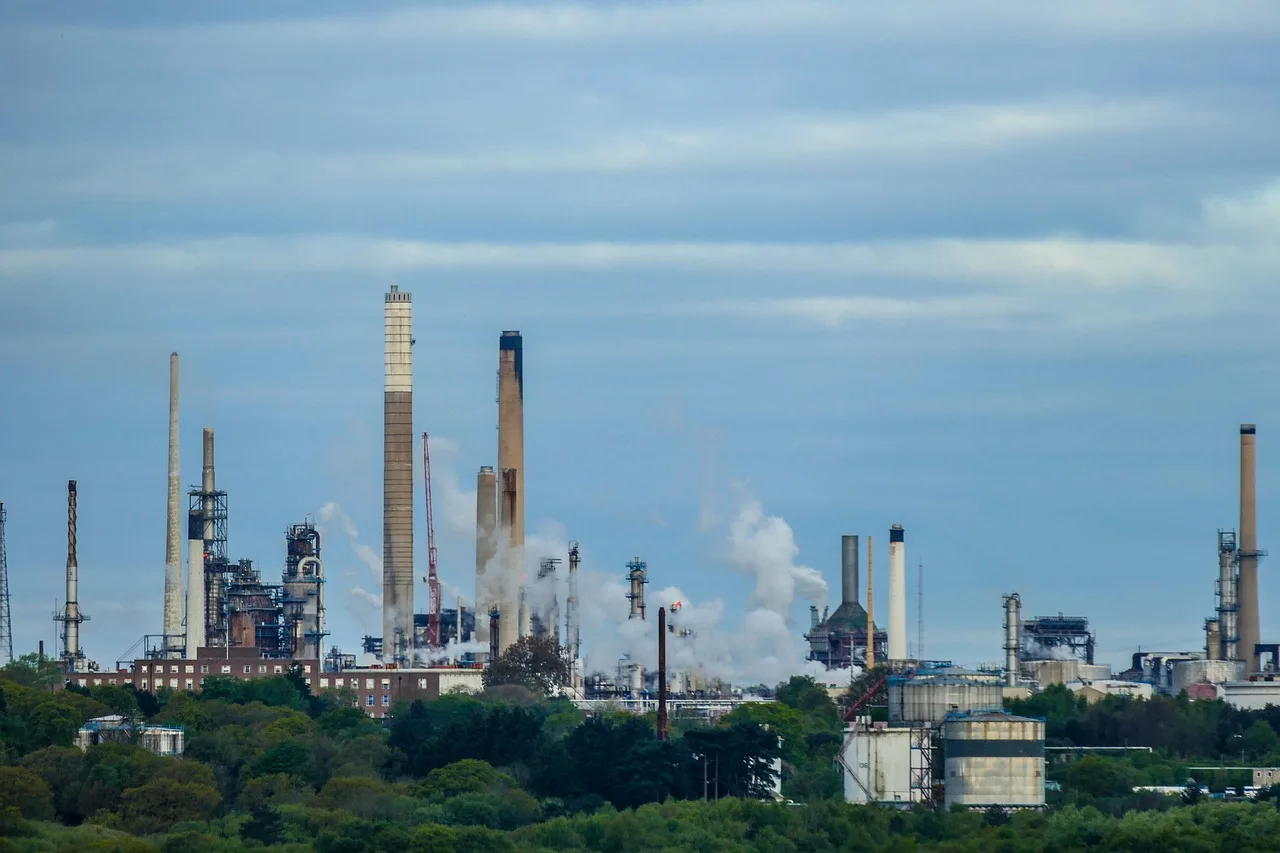
Nayara Energy, a prominent Indian oil refining and marketing company, experienced a significant disruption to its digital operations this week after Microsoft’s automated legacy systems incorrectly flagged and suspended the company’s cloud services. The unexpected outage, which took place across multiple operational zones, forced the energy giant to scramble for manual workarounds to maintain critical supply chain functions.
Context of the Cloud Dependency
Modern industrial conglomerates have become increasingly reliant on cloud-based infrastructure to manage complex logistics, inventory, and real-time data processing. Nayara Energy, which operates one of India’s largest refineries, utilizes Microsoft Azure services as the backbone for its digital transformation efforts.
In recent years, the shift toward ‘Infrastructure as a Service’ (IaaS) has allowed companies to scale rapidly. However, this reliance introduces systemic risks when proprietary automated security and compliance protocols fail to differentiate between legitimate enterprise activity and unauthorized access.
Anatomy of the Suspension
The incident originated from a legacy automated system within Microsoft’s administrative framework that triggered a security suspension protocol. According to internal reports, the system identified a pattern of usage that erroneously violated compliance parameters, leading to an immediate lockout of the client’s cloud dashboard.
This type of ‘false positive’ is a growing concern in cybersecurity circles. As platforms automate more of their administrative oversight to reduce human overhead, the margin for error in algorithmic decision-making becomes a central point of failure for large-scale enterprise clients.
Expert Perspectives on Algorithmic Governance
Industry analysts point to the risks inherent in ‘black box’ automation. When cloud providers deploy opaque security protocols, clients often lack the visibility required to prevent or quickly resolve these automated shutdowns.
“The transition from human-managed support to algorithmic governance is creating a ‘support gap’ for enterprise clients,” says technology consultant Marcus Thorne. “When an algorithm makes a mistake, it can take hours or even days to reach a human operator capable of overriding the automated decision.”
Data from the Cloud Security Alliance suggests that misconfiguration and automated policy enforcement errors now account for nearly 20% of cloud-related service disruptions. This highlights a critical need for more transparent ‘kill-switch’ procedures that protect clients from being caught in the gears of their own service providers.
Implications for the Energy Sector
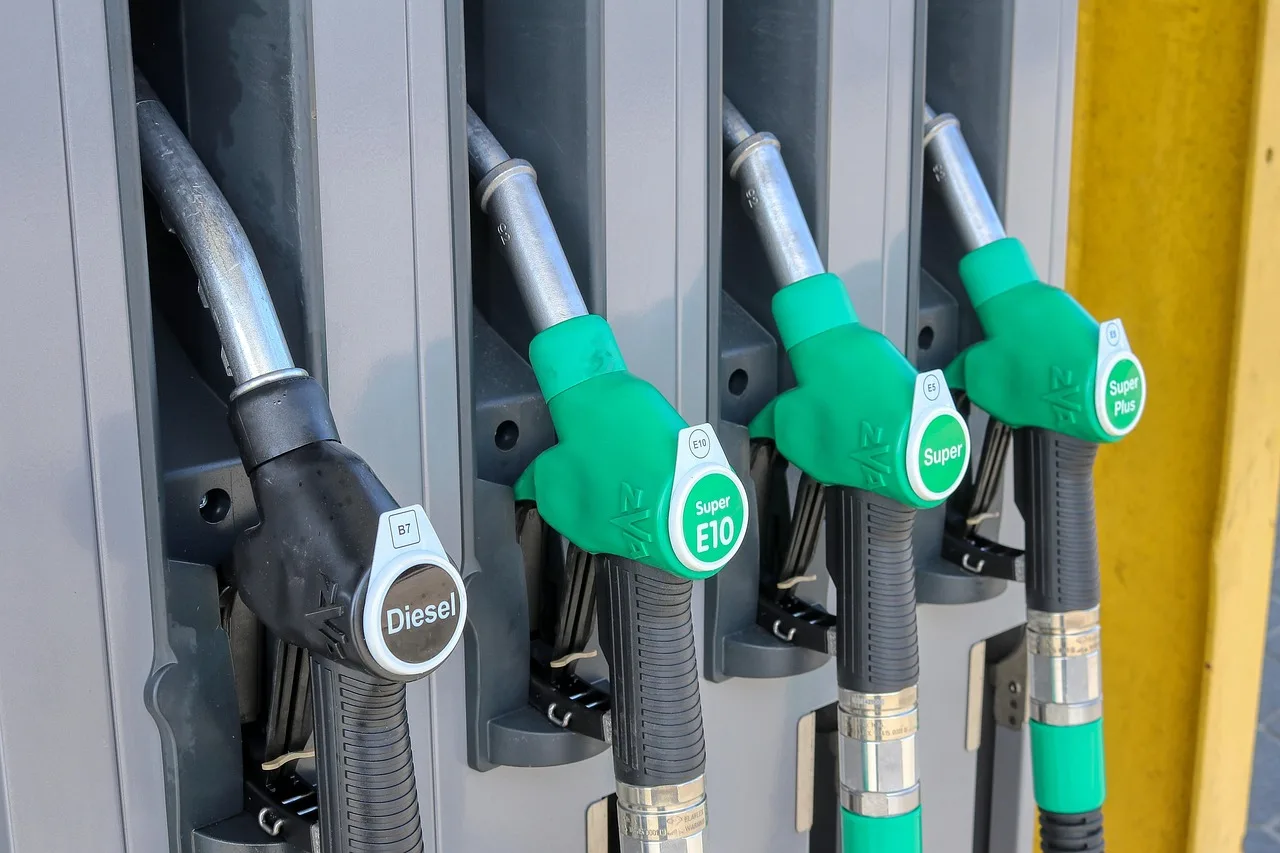
For the energy industry, where continuous monitoring and supply chain management are essential, such outages carry immense financial and operational weight. A suspension of services does not just stop data flow; it can delay fuel shipments, disrupt retail outlet inventory management, and compromise safety monitoring tools.
This incident serves as a stark reminder of the ‘single point of failure’ risk associated with hyperscale cloud providers. Companies are now being forced to re-evaluate their disaster recovery plans, considering multi-cloud strategies or hybrid models that prevent a single vendor’s automated system from halting their entire operation.
Looking Ahead
Industry observers are now watching to see how Microsoft will refine its legacy automated triggers to prevent similar incidents in the future. Expect increased pressure on cloud providers to offer ‘human-in-the-loop’ guarantees for enterprise service accounts, ensuring that automated suspensions cannot occur without manual verification. For Nayara Energy and its peers, the immediate focus will be on hardening local infrastructure to ensure that even if the cloud goes dark, the physical refinery operations remain autonomous.