

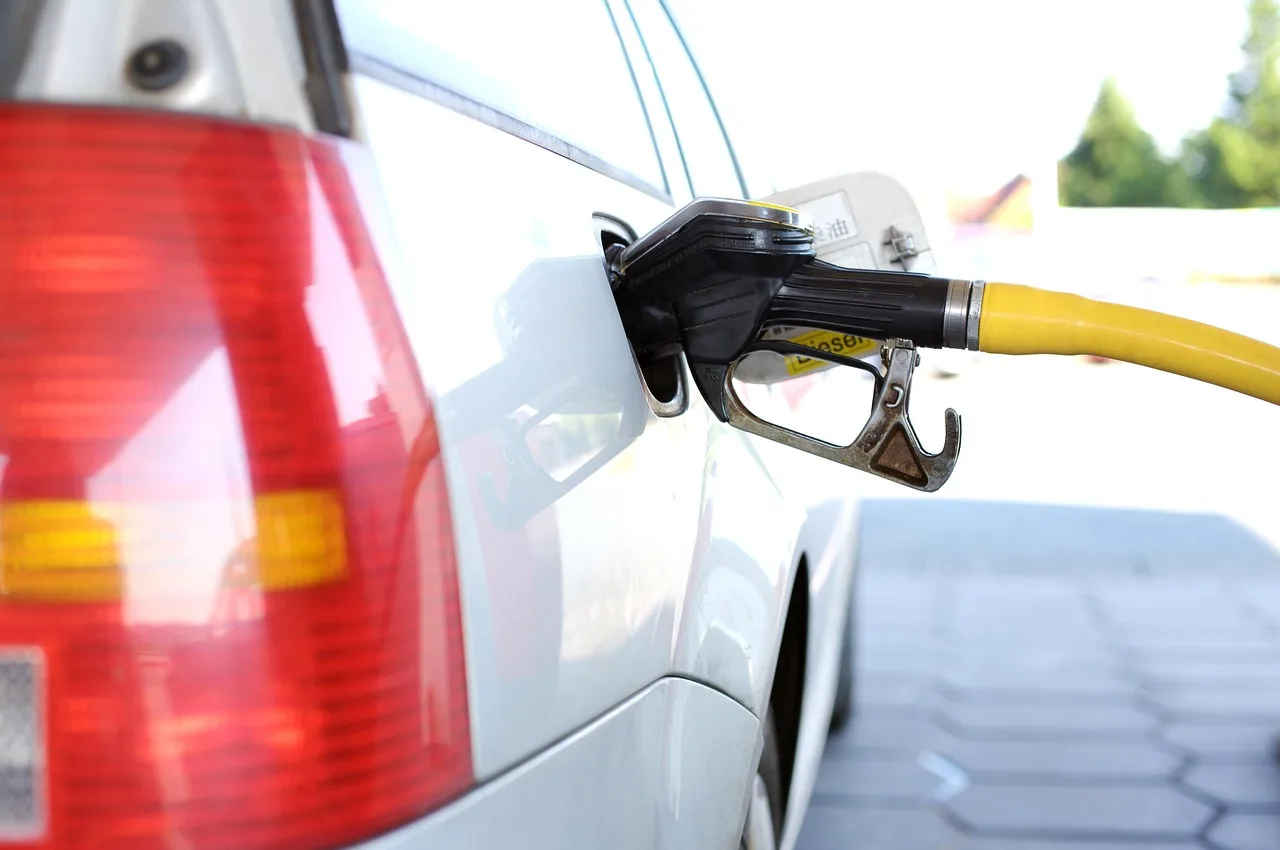
Public sector Oil Marketing Companies (OMCs) in India have reported a significant stabilization in their financial performance following a recent nationwide hike in petrol and diesel prices. As of this week, the daily under-recoveries for these state-run firms have dropped below the Rs 600 crore mark, providing a much-needed buffer against the volatility of global crude oil markets.
Contextualizing the OMC Financial Landscape
For several months, India’s OMCs have grappled with the dual challenge of elevated international crude oil prices and the necessity of maintaining affordable fuel for domestic consumers. These companies have historically absorbed significant portions of price surges to shield the retail market, leading to substantial losses that threatened their operational liquidity.
The recent price adjustment is part of a broader fiscal strategy to balance the books of these essential energy providers. Industry analysts note that while the move is necessary for institutional health, it reflects the ongoing difficulty of managing a complex energy ecosystem where global market fluctuations directly impact domestic retail costs.
Market Dynamics and Consumer Response
The transition to higher fuel prices has triggered localized supply chain tremors, including instances of panic buying in certain regions. Retail outlets managed by public sector units are currently navigating competitive pressures, as private fuel stations often adjust their pricing structures differently, leading to shifts in consumer demand patterns.
To maintain supply integrity, OMCs are currently performing rigorous monitoring of oil depots to prevent localized shortages. This oversight aims to ensure that the retail market remains stable while the broader economy adjusts to the new price benchmarks across various states, ranging from highs in Andhra Pradesh to more moderate levels in coastal regions like Andaman & Nicobar.
The Burden of LPG and Energy Security
Despite the relief in petrol and diesel margins, OMCs continue to face severe financial headwinds from the domestic Liquefied Petroleum Gas (LPG) sector. The Saudi Contract Price for LPG has escalated to USD 780 per tonne, significantly increasing the cost of subsidies that OMCs are expected to carry.
In response, the Indian government is aggressively pursuing a diversification strategy for its energy portfolio. By securing new procurement deals with the United States and increasing LPG sourcing from the UAE, India is attempting to decouple its energy supply chain from traditional, high-risk suppliers to foster long-term stability.
Implications for the Industry
While the current price hikes provide a temporary reprieve, financial experts warn that these gains remain fragile. Projections for the first quarter of fiscal year 2027 suggest that if crude oil prices remain at current elevated levels, the profit margins currently being realized could be entirely eroded by sustained under-recoveries in the LPG segment.
Looking ahead, stakeholders are closely monitoring the potential for further price adjustments, with some experts anticipating an additional Rs 5 per litre increase if global market conditions do not soften. The government’s ability to manage the delicate balance between energy affordability for citizens and the fiscal sustainability of its oil marketing giants will remain a primary focus for investors and policymakers in the coming months.