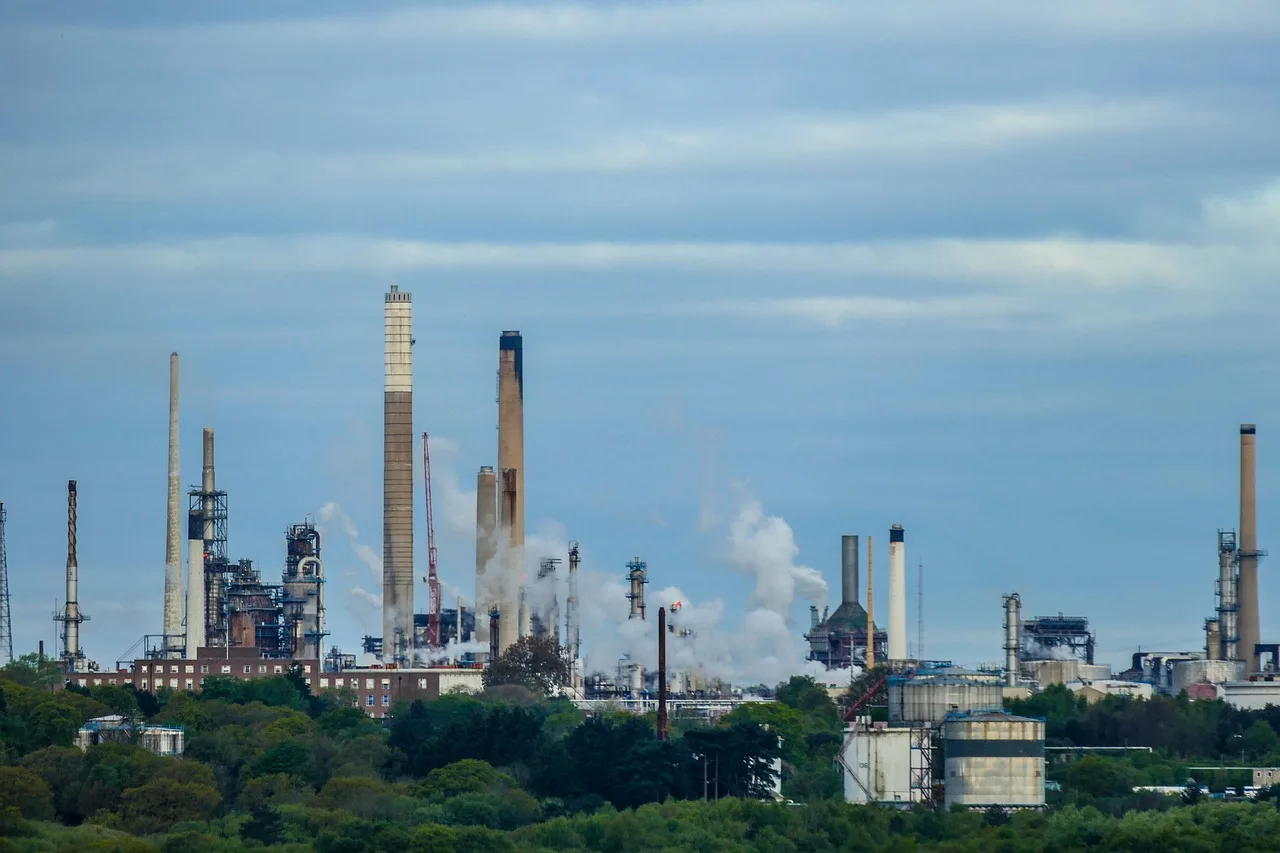





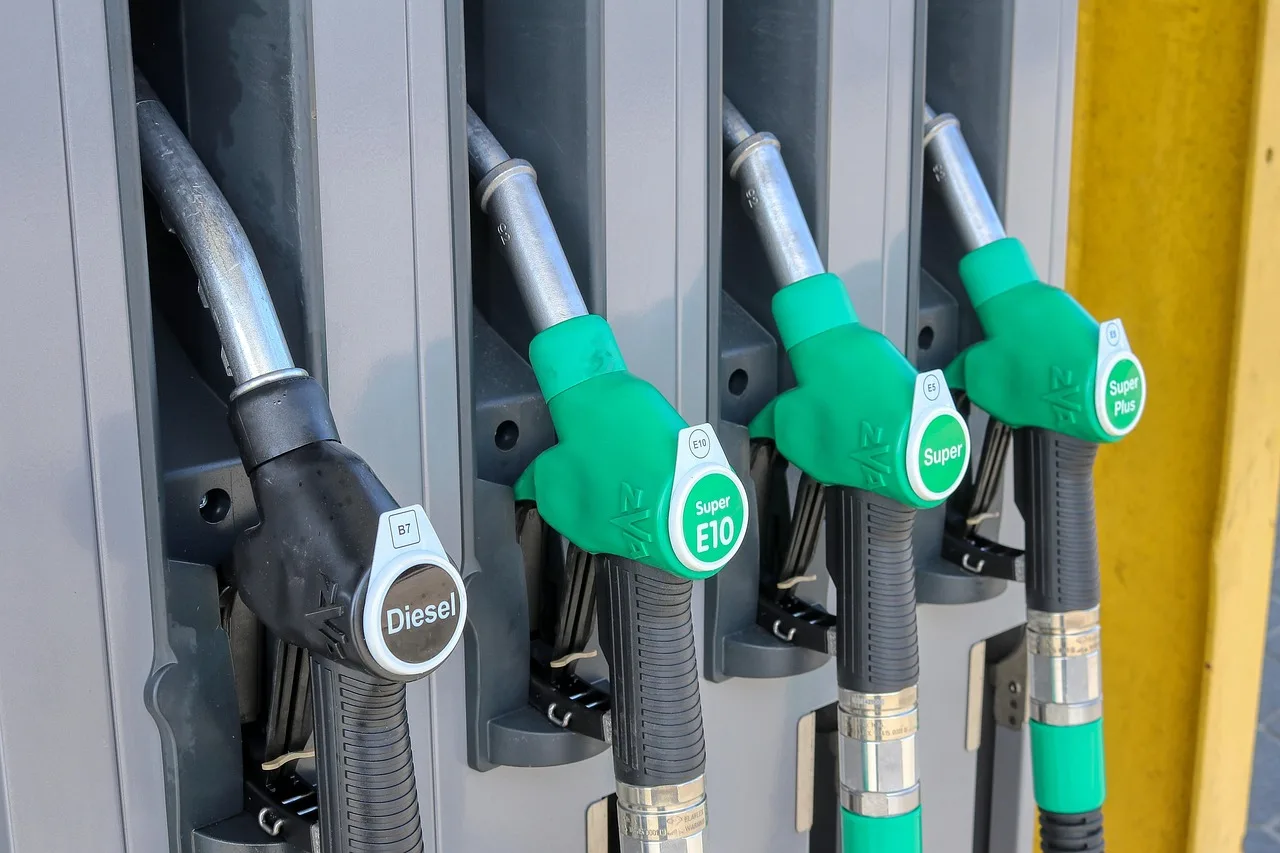
Public sector Oil Marketing Companies (OMCs) in India have reported a significant reduction in their daily financial losses, with under-recoveries falling below Rs 600 crore following a recent nationwide hike in petrol and diesel prices. This strategic price adjustment, implemented to mitigate the impact of volatile global crude oil markets, marks a critical pivot for state-run energy firms struggling to balance domestic retail costs against soaring international procurement prices.
The Context of Rising Energy Costs
For several months, Indian OMCs have faced an uphill battle as crude oil prices remained consistently high, creating a widening gap between the cost of refining and the retail price at the pump. While these companies are tasked with maintaining affordable fuel for the public, the fiscal burden of subsidizing these costs has placed immense pressure on their balance sheets. The recent price revision acts as a necessary buffer to prevent further erosion of these companies’ financial health.
Balancing Market Dynamics and Retail Pressure
The decision to raise prices has triggered localized ripple effects, including instances of panic buying as consumers react to shifting market conditions. Furthermore, public sector outlets are currently navigating competitive pressures; private fuel retailers, often operating with different supply chain structures, have adjusted their prices to higher levels, causing a shift in sales volumes away from government-owned stations.
To maintain market stability, OMCs are currently employing rigorous monitoring protocols at oil depots across the country. This surveillance aims to ensure a seamless supply chain and prevent hoarding or artificial shortages that could exacerbate public anxiety. Sources close to the development emphasize that the objective is not profiteering, but rather the long-term sustainability of the state energy infrastructure.
Expert Perspectives on Fiscal Outlook
Despite the recent reprieve, industry analysts remain cautious regarding the long-term outlook for the current fiscal year. While the current reduction in losses is a positive sign, experts warn that these gains could be entirely offset if crude oil prices continue their upward trajectory through the first quarter of FY27.
The financial strain is further compounded by the domestic LPG sector, where OMCs continue to incur substantial under-recoveries. The situation is exacerbated by the sharp rise in the Saudi Contract Price (CP) for LPG, which has climbed to USD 780 per tonne, placing additional weight on the bottom lines of energy providers.
Strategic Shifts in Energy Security
In response to these global pressures, the Indian government is doubling down on its energy security strategy. Diversification of crude oil sources remains a top priority, with the nation actively securing deals with a wider range of international partners, including the United States. Furthermore, plans are underway to increase LPG sourcing from the United Arab Emirates to reduce reliance on traditional suppliers and insulate the domestic market from supply shocks.
As global oil markets remain unpredictable, stakeholders are closely watching for potential further price adjustments—with some analysts suggesting an additional increase of Rs 5 per litre may be on the horizon. The industry will likely focus on optimizing import logistics and strengthening strategic reserves to mitigate future volatility. Whether these measures will be sufficient to stabilize retail prices in the coming months remains the primary concern for both policymakers and the public.