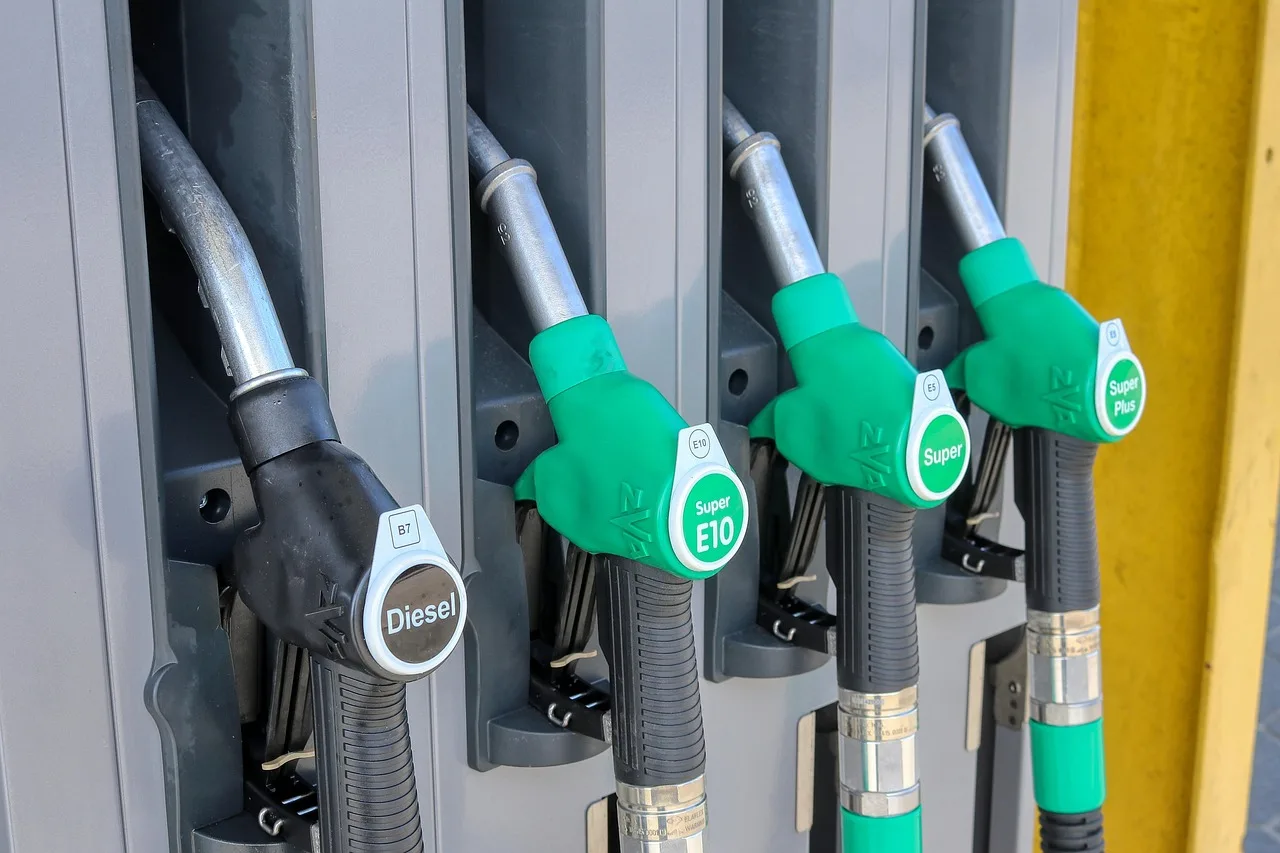





The Indian government has launched a nationwide initiative to fortify fuel security, prioritizing the uninterrupted supply of petrol, diesel, and LPG while intensifying crackdowns on unauthorized fuel diversion. Sujata Sharma, Joint Secretary of the Ministry of Petroleum and Natural Gas, confirmed in a recent inter-ministerial briefing in New Delhi that current inventories remain sufficient, despite localized reports of abnormal sales spikes driven by agricultural demand and bulk consumption.
Strengthening Strategic Reserves
To mitigate potential global supply shocks, the Ministry is currently mandating that oil marketing companies (OMCs) maintain a minimum of 30 days of LPG reserves. Similar strategic efforts are underway for crude oil storage to ensure domestic energy stability. Officials report that refineries are operating at peak capacity, with LPG production reaching an all-time high of approximately 90 DMT per day.
Addressing Market Anomalies
Data indicates significant volatility in consumption patterns, with an overall 30% growth in fuel sales across various regions. Notably, 14 districts have recorded a surge of over 100% in petrol sales, prompting government concerns over hoarding and illegal bulk distribution. In response, authorities have intensified enforcement operations, conducting over 6,500 raids on LPG facilities and 900 inspections at retail outlets within a span of just a few days.
Enforcement and Regulatory Action
The government’s crackdown has resulted in multiple legal actions, including the registration of 17 FIRs and 17 arrests related to the illicit handling of petroleum products. Seizures have included hundreds of liters of petrol and over 75,000 liters of diesel intended for unauthorized use. Authorities have explicitly urged industrial and bulk consumers to procure diesel strictly through authorized channels to avoid further regulatory intervention.
Economic Stabilization Measures
Beyond logistics, the government is absorbing significant financial pressure to maintain price stability for the public. A reduction in excise duty on petrol and diesel by Rs 10 per liter represents a monthly fiscal impact of Rs 14,000 crore. Meanwhile, OMCs continue to navigate a challenging landscape, facing daily losses estimated at Rs 550 crore due to current market conditions.
Future Outlook
As the government works to reduce the LPG delivery backlog—which currently stands at 4.5 days—industry analysts suggest that monitoring the intersection of agricultural demand and urban fuel consumption will be critical in the coming months. Consumers should watch for further government guidance on energy conservation and potential policy adjustments regarding bulk procurement as the administration seeks to balance market accessibility with strict anti-diversion protocols.