




Strategic Energy Security Measures
The national government has formally instructed major oil and gas companies to establish and maintain a mandatory 30-day reserve of Liquefied Petroleum Gas (LPG) to mitigate potential supply chain disruptions. This directive, issued this week in the capital, comes as geopolitical instability in the Strait of Hormuz threatens the global flow of energy resources. By building these stockpiles, authorities aim to insulate domestic consumers and industrial sectors from sudden price spikes or catastrophic shortages should regional maritime traffic be restricted.
Contextualizing the Strait of Hormuz Risks
The Strait of Hormuz is arguably the world’s most critical maritime oil chokepoint, with approximately 20% of global petroleum consumption passing through its narrow passage daily. Recent escalations in regional military activity have prompted energy analysts to warn of potential blockades or increased insurance premiums for tankers navigating the route. Historically, nations dependent on imported fuel have relied on just-in-time logistics, a model that leaves little margin for error during prolonged geopolitical crises.
Operational Shifts and Industry Impact
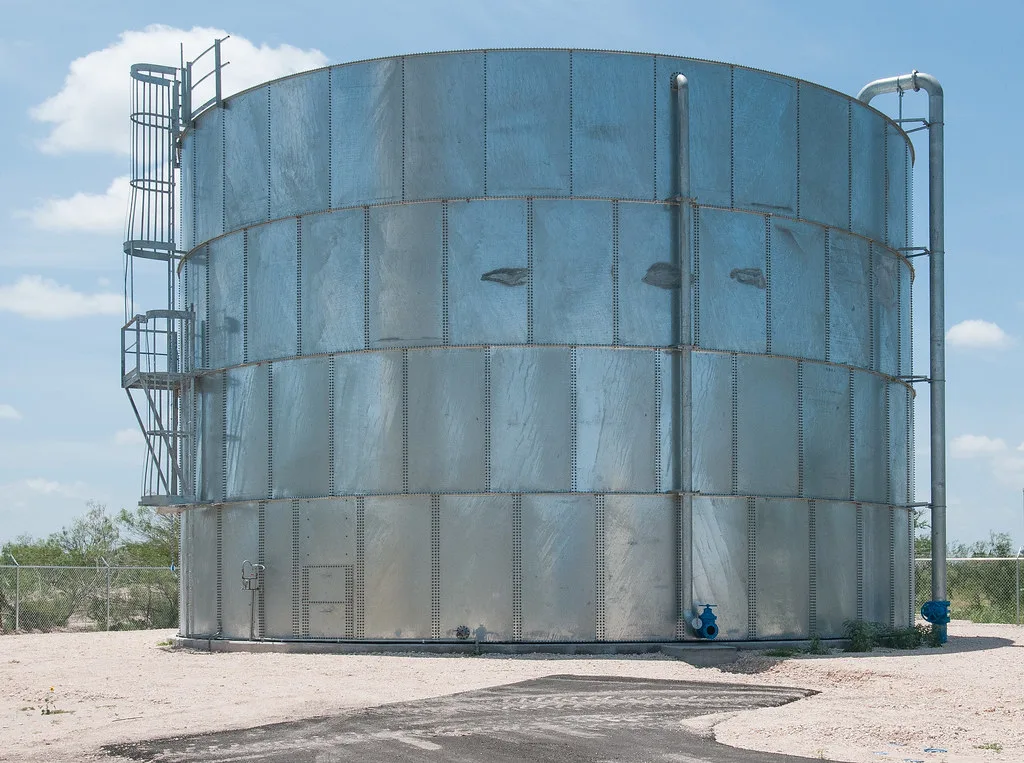
Energy firms are now tasked with retrofitting existing storage facilities or securing new capacity to accommodate the 30-day buffer requirement. Industry experts note that this transition will necessitate significant capital expenditure, potentially impacting corporate balance sheets in the short term. However, the move is viewed by policymakers as a necessary insurance policy against the volatility inherent in modern global energy markets.
Supply chain logistics companies are also bracing for the shift, as the surge in storage demand could tighten the availability of regional tanker capacity. Smaller distributors, who typically lack extensive private storage infrastructure, may face the steepest challenges in complying with the new regulatory framework. Government officials have suggested that low-interest financing or tax incentives may be considered to assist smaller players in meeting these compliance benchmarks.
Expert Perspectives on Strategic Reserves
Market analysts highlight that this proactive stance mirrors international trends in energy sovereignty. According to the International Energy Agency (IEA), strategic stockholding is a vital component of emergency response planning, particularly for nations heavily reliant on imports. Data from recent energy audits suggests that even a ten-day interruption in supply could lead to a 15% increase in consumer energy costs, underscoring the economic rationale behind the 30-day mandate.
“The transition from a lean inventory model to a strategic reserve model represents a fundamental change in the domestic energy paradigm,” said Dr. Helena Vance, a senior analyst at the Global Energy Institute. “While this increases the cost of doing business, it effectively places a floor under national energy security, preventing the panic-buying scenarios that often follow supply-side shocks.”
Long-term Market Implications
For the average reader, the primary implication of this policy is a potential stabilization of energy prices during times of geopolitical friction. While the initial costs of building these reserves may be passed on to the consumer, the long-term benefit is the prevention of systemic energy shortages. The industry must now pivot toward a more robust infrastructure model, prioritizing security over pure logistical efficiency.
Moving forward, market observers will be watching the timeline for full compliance and whether the government will implement a phased rollout to prevent a sudden spike in fuel prices. Future developments may include the introduction of government-backed strategic storage hubs, which would centralize the burden of compliance. Stakeholders should monitor upcoming quarterly reports from major energy providers to see how these reserve requirements are being integrated into capital expenditure plans.