









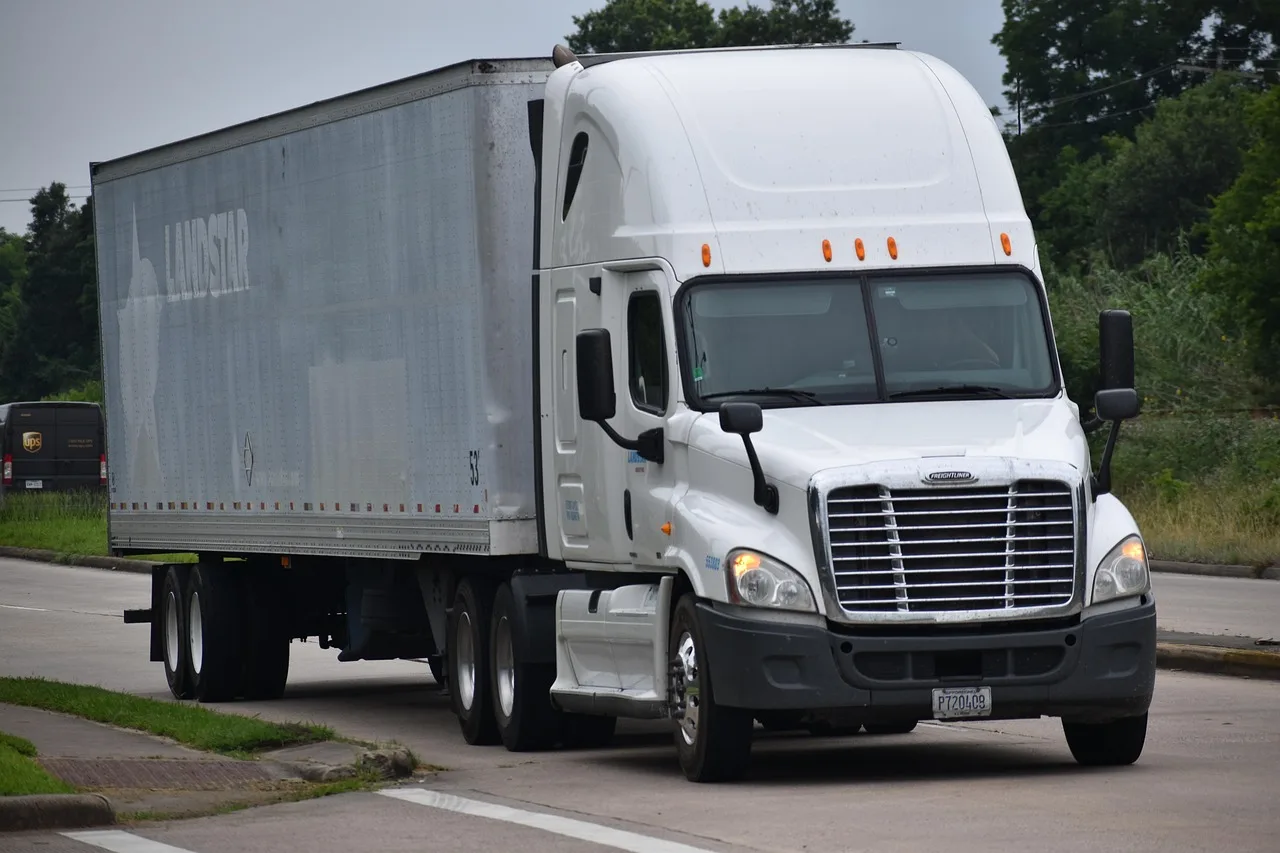
Amazon announced on June 10 that it is expanding its less-than-truckload (LTL) shipping service to all businesses across the United States, a move that immediately signaled intensified competition for legacy freight carriers and triggered a decline in their share prices. By transitioning from an inbound-only model to a comprehensive logistics network capable of delivering to any destination—including third-party warehouses and retail storefronts—the e-commerce giant is positioning itself as a direct challenger to established shipping incumbents.
The Evolution of Amazon’s Logistics Network
For years, Amazon has quietly built one of the world’s most sophisticated logistics infrastructures to support its own retail operations. The company’s LTL service previously focused on moving bulk inventory into its fulfillment centers, effectively creating a closed-loop system.
By opening this capacity to outside businesses, Amazon is leveraging its massive existing fleet and proprietary software to capture a broader share of the domestic freight market. This shift marks a departure from its original role as a retail platform to that of a full-scale third-party logistics provider, mirroring the strategies of traditional freight leaders.
Market Reaction and Industry Impact
The announcement sent immediate shockwaves through the logistics sector, with shares of major freight carriers experiencing downward pressure in mid-June trading. Investors are reacting to the reality that Amazon now possesses the scale, technology, and capital to undercut traditional pricing models.
Data from industry analysts suggest that the LTL market, which handles shipments too large for parcel carriers but too small for full truckloads, is highly sensitive to capacity shifts. Amazon’s entry adds significant supply to this niche, potentially impacting margins across the entire logistics industry as carriers fight for volume.
Expert Perspectives on Logistics Competition
Supply chain experts point out that Amazon’s primary advantage lies in its density. Because the company already operates thousands of routes to satisfy its retail demands, it can offer competitive rates on partial shipments by filling empty space on trailers that are already moving.
“Amazon is monetizing an asset that was previously a cost center,” noted a logistics sector analyst. “By integrating third-party freight into their existing routes, they are optimizing their network utilization in a way that traditional carriers, who must build routes from scratch based on customer demand, struggle to match.”
Implications for the Future of Shipping
For shippers and small businesses, this development offers a new alternative in a market that has historically seen limited competition. The increased availability of LTL capacity could lead to lower shipping costs and faster transit times as companies gain access to Amazon’s automated routing and tracking technologies.
Looking ahead, industry observers are watching to see how legacy carriers respond to this competitive threat. Potential counter-moves may include increased investment in automation, consolidation within the sector, or a shift toward specialized logistics services that Amazon may not yet be equipped to handle. The long-term impact will likely depend on whether Amazon chooses to maintain aggressive pricing to grab market share or if it prioritizes high-margin contracts as it scales its logistics division.