









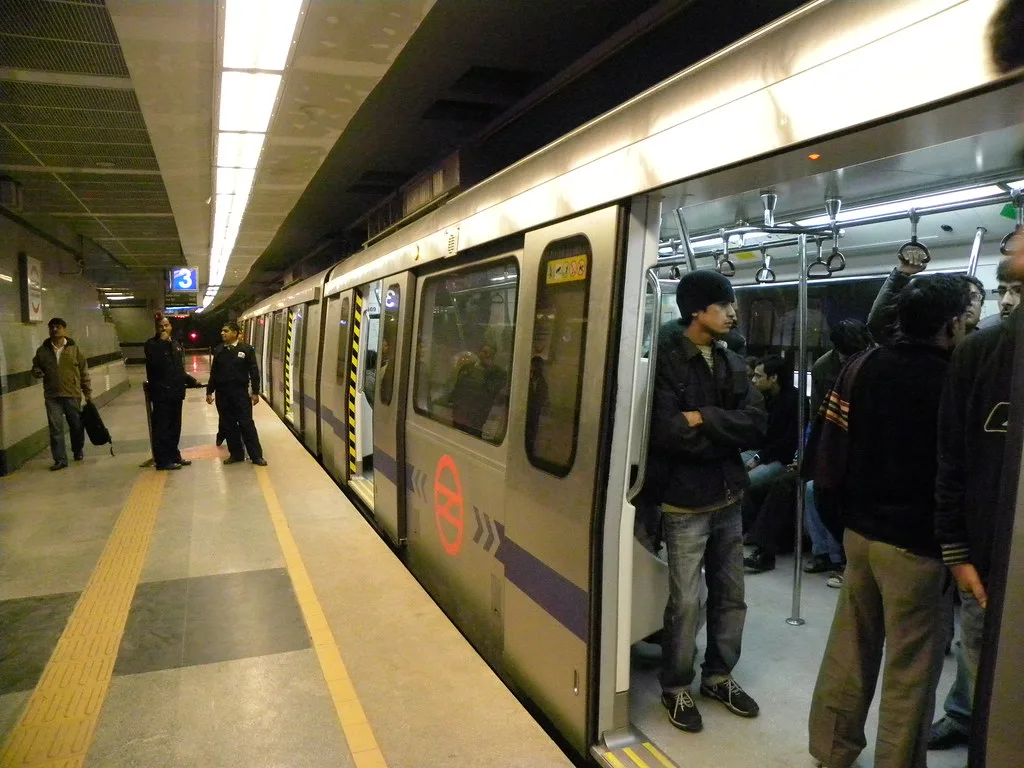
Expanding Urban Connectivity
The Union Cabinet, led by Prime Minister Narendra Modi, officially approved an extension of the Ahmedabad Metro Rail Project Phase 2(A) this week, authorizing a critical 6-kilometer route between Koteshwar Road and the Ahmedabad Airport. This strategic infrastructure development aims to integrate the city’s transport network more effectively, providing commuters with seamless transit access to the international airport corridor.
The project represents a significant shift in urban planning for Gujarat’s largest city. By connecting the high-traffic Koteshwar Road corridor directly to the airport, the government intends to reduce reliance on private vehicles and alleviate the mounting pressure on the city’s existing road infrastructure.
Contextualizing the Metro Growth
Ahmedabad has witnessed rapid urbanization over the last decade, leading to increased traffic congestion and prolonged commute times. The Phase 2 expansion follows the successful implementation of the initial metro phases, which established a foundational rail network across the city’s North-South and East-West axes.
Urban planning experts have long advocated for the ‘last-mile’ connectivity approach, which this 6-kilometer addition addresses directly. The extension is expected to serve as a vital link for both business travelers and local residents, bridging the gap between residential hubs and the city’s primary aviation gateway.
Project Scope and Operational Impact
The proposed route includes strategically placed stations designed to maximize commuter accessibility. Engineering plans prioritize high-frequency transit, utilizing modern rolling stock to ensure reliability and safety for daily passengers.
According to data from the Gujarat Metro Rail Corporation (GMRC), the integration of this route is expected to significantly reduce carbon emissions by shifting thousands of daily commuters from private taxis and personal cars to electric-powered mass transit. The project also incorporates multi-modal integration, allowing passengers to switch from the metro to other public transport mediums with minimal disruption.
Expert Perspectives and Economic Outlook
Infrastructure analysts suggest that this expansion will act as a catalyst for local economic development. Improved connectivity often correlates with increased real estate valuation and commercial investment along the transit corridor, as businesses seek proximity to efficient transport hubs.
The project is also aligned with the national ‘Gati Shakti’ master plan, which seeks to synchronize infrastructure projects across different departments. By streamlining the approval process and focusing on critical gaps in connectivity, the government is signaling a commitment to long-term urban efficiency rather than short-term patchworks.
Future Implications and Monitoring
For residents and stakeholders, the next phase will involve the commencement of land acquisition and detailed civil engineering surveys. Industry observers will be monitoring the project’s timeline closely, as the efficiency of the construction phase will determine how quickly the economic benefits materialize.
Moving forward, the primary focus for city planners will be the integration of feeder services at the new airport-link stations. The success of this extension will likely set a benchmark for future suburban connectivity projects, potentially influencing how other Tier-1 cities in India approach airport-to-city transit infrastructure in the coming years.