
India’s capital expenditure (capex) cycle is undergoing a structural shift as investment flows pivot toward power infrastructure and data centers, even as the broader manufacturing sector faces a period of stagnation. According to recent findings from the Centre for Monitoring Indian Economy (CMIE) and Crisil Intelligence, the expected broad-based private-sector investment boom has yet to materialize, despite favorable liquidity conditions and government-led infrastructure spending.
The Current Investment Landscape
For several quarters, policymakers and market analysts have looked for signs of a robust private investment cycle. However, data from CMIE indicates that manufacturing investment, often considered the engine of long-term economic growth, remains subdued.
Mahesh Vyas, Managing Director of CMIE, highlights that while funding availability is not a constraint for major corporations, the appetite for new industrial capacity remains cautious. Companies are largely focusing on de-leveraging balance sheets rather than initiating large-scale greenfield projects.
The Pivot to Digital and Energy Infrastructure
In the absence of a manufacturing surge, power and digital infrastructure have emerged as the primary drivers of capital formation. Miren Lodha, Senior Director at Crisil Intelligence, notes that the energy transition and the rapid expansion of India’s digital economy are creating concentrated pockets of investment.
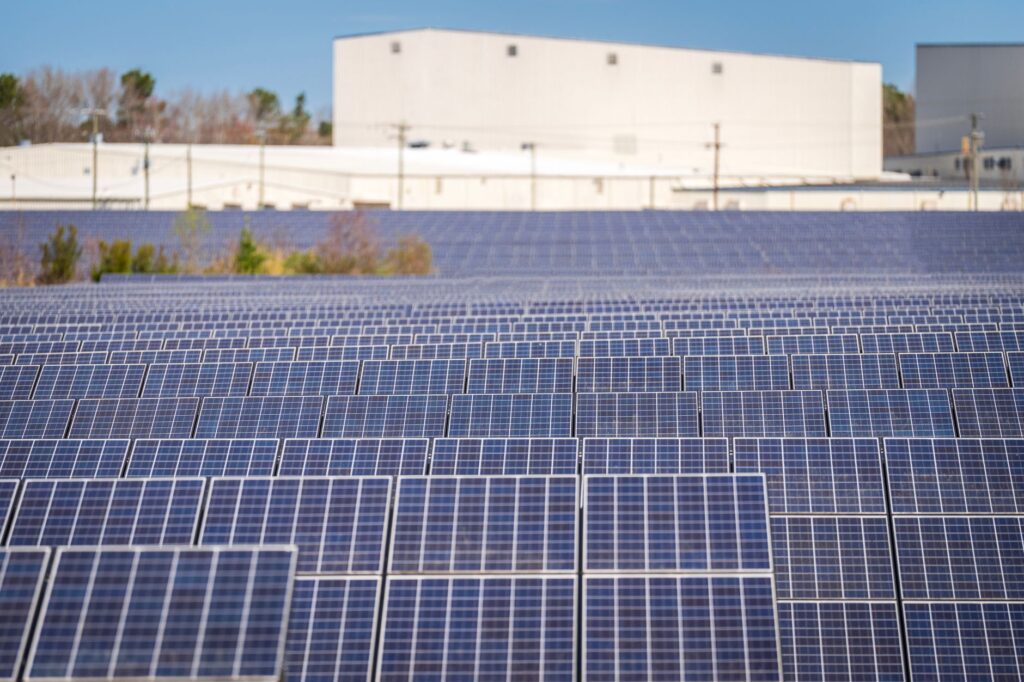
Demand for high-capacity data centers is soaring as global tech firms and domestic enterprises scramble to localize data storage. Simultaneously, the push for renewable energy capacity is forcing significant capital allocation into grid modernization and power generation facilities.
Barriers to Broad-Based Growth
Several factors explain the hesitation in the manufacturing sector. Global economic uncertainty, shifting supply chains, and domestic capacity utilization rates that have yet to hit the threshold required for aggressive expansion are keeping investors on the sidelines.
While the government’s Production Linked Incentive (PLI) schemes were designed to catalyze manufacturing, the translation into actual ground-level capital expenditure remains gradual. Industry experts suggest that a sustained recovery will require more than just fiscal incentives; it demands a reduction in logistical costs and a more predictable regulatory environment for heavy industry.
Industry Implications
The reliance on power and data infrastructure as the primary pillars of growth suggests a transformation in the nature of India’s economic development. This shift prioritizes high-tech, capital-intensive services and energy stability over traditional, labor-intensive manufacturing output.
For investors, this trend necessitates a realignment of expectations. Sectors supporting the infrastructure build-out—such as industrial construction, electrical equipment manufacturing, and specialized real estate—are likely to see higher capital inflows compared to traditional heavy manufacturing industries.
What to Watch Next
Market observers will be closely monitoring the capacity utilization data in the upcoming quarters to see if the current infrastructure spending triggers a ripple effect into manufacturing. Additionally, the pace of private-sector debt reduction will be a key indicator of when firms might pivot from balance sheet repair to aggressive expansion. Analysts suggest that the next fiscal year will be critical in determining whether the power and data center boom can successfully anchor a more diversified industrial recovery.