






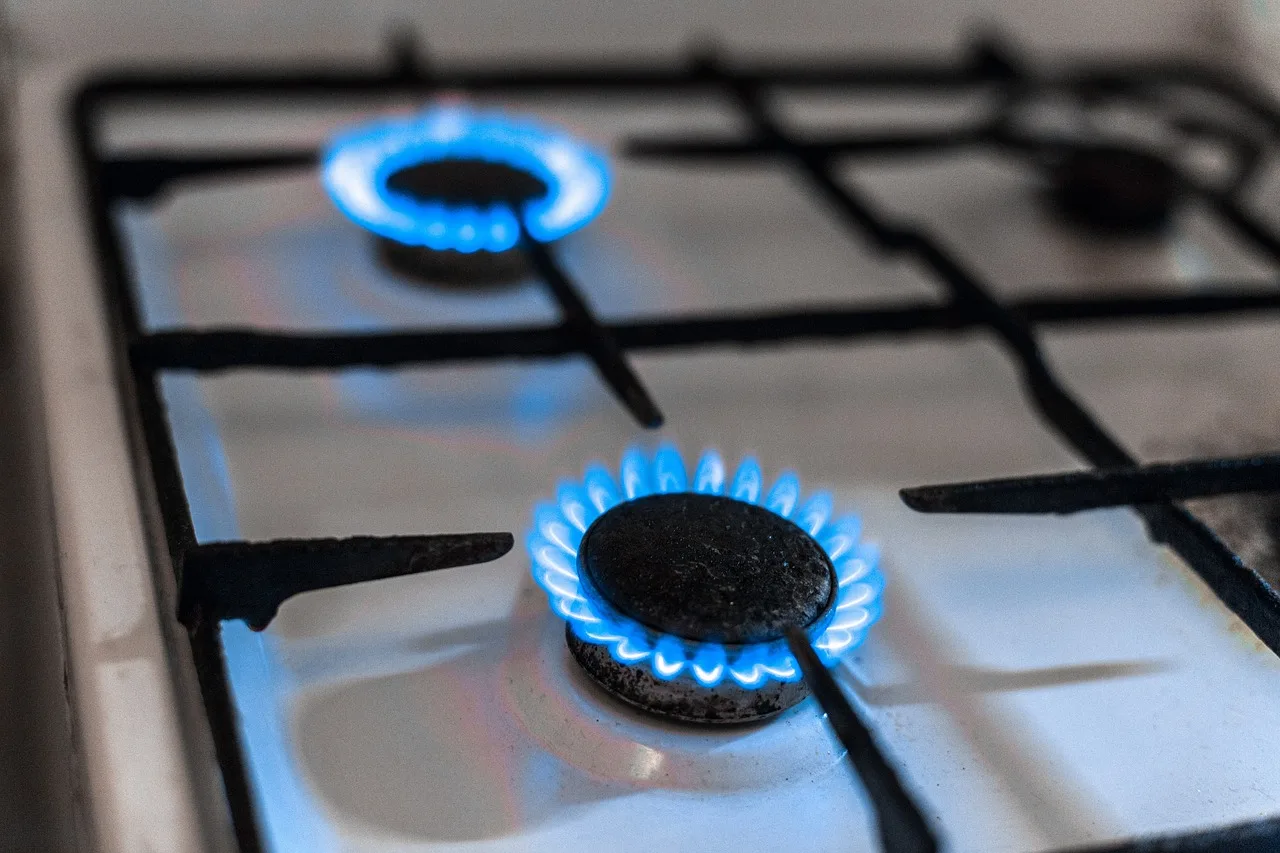
The Indian government has officially capped the number of subsidised LPG cylinder refills available to beneficiaries of the Pradhan Mantri Ujjwala Yojana (PMUY) at four per year. This policy update, effective immediately, ensures that eligible households will continue to receive a targeted subsidy of Rs 300 per 14.2-kg cylinder, provided they remain within the newly established annual limit.
Context of the PMUY Initiative
Launched in May 2016, the Pradhan Mantri Ujjwala Yojana was designed to provide clean cooking fuel to women from low-income households across India. The scheme aimed to replace traditional cooking fuels like firewood, coal, and cow dung cakes with Liquefied Petroleum Gas (LPG) to mitigate health risks associated with indoor air pollution.
Over the past eight years, the initiative has expanded its reach to millions of beneficiaries, significantly improving public health outcomes and environmental standards in rural and semi-urban areas. The current subsidy adjustment represents a recalibration of the government’s fiscal allocation toward energy support while maintaining the core mission of energy accessibility.
Operational Dynamics and Eligibility
Under the revised framework, the subsidy is strictly limited to the first four refills purchased by a registered PMUY beneficiary within a 12-month cycle. Any additional cylinders purchased beyond this threshold will be charged at the prevailing market rate, requiring consumers to bear the full cost without government assistance.
To qualify for the subsidy, applicants must be female, at least 18 years old, and belong to a household identified under specific socio-economic categories, such as SC/ST households, beneficiaries of PMAY (Gramin), or families residing in forest areas. Documentation required for application remains consistent: a valid Aadhaar card, a bank account linked to the Direct Benefit Transfer (DBT) system, and a comprehensive Know Your Customer (KYC) form.
Industry Perspectives and Economic Impact
Energy analysts suggest that this cap is a strategic move to optimize subsidy expenditures while ensuring that the most vulnerable populations retain access to essential cooking fuel. By capping the frequency, the government aims to prevent the misuse of subsidized fuel while continuing to incentivize the transition to cleaner energy sources.
Data from the Ministry of Petroleum and Natural Gas indicates that the average annual consumption of LPG cylinders by many rural households falls within the four-cylinder range. However, critics of the policy note that larger families or those with higher energy needs may experience an increased financial burden once the subsidy limit is reached.
Implications for the Energy Sector
For the average household, this change necessitates more disciplined monthly budget management regarding utility expenses. Consumers are encouraged to monitor their refill history through the official Ujjwala portal or mobile applications to track their remaining subsidized quota.
Looking ahead, industry observers are watching for potential adjustments to the subsidy amount should global energy prices fluctuate significantly. Future policy updates may also focus on digital literacy programs to help beneficiaries better navigate the subsidy tracking systems, ensuring that the transition to limited refills does not inadvertently discourage the use of cleaner cooking alternatives.