









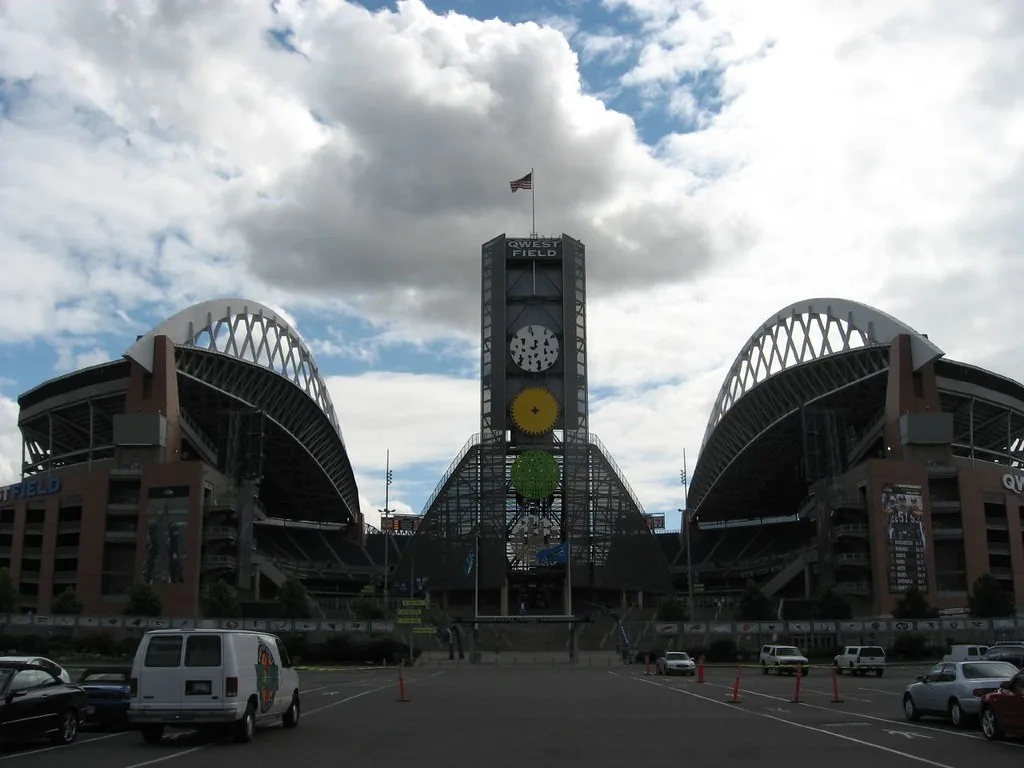
As the United States prepares to co-host the 2026 FIFA World Cup alongside Canada and Mexico, economists and travel industry analysts are forecasting a significant influx of international visitors that could revitalize the domestic tourism sector. The tournament, which spans 16 host cities across North America, is expected to drive record-breaking demand for hospitality, transportation, and retail services throughout June and July of 2026.
The Current Tourism Landscape
The domestic travel industry has faced a cooling period over the past year, characterized by fluctuating consumer spending and a stabilization of post-pandemic travel demand. Despite these headwinds, the World Cup represents a unique global event that historically acts as a massive catalyst for inbound tourism.
Previous host nations have consistently reported spikes in foreign currency inflow and long-term increases in tourism branding. For the U.S., this event marks the first time hosting the men’s tournament since 1994, providing a rare opportunity to showcase diverse metropolitan hubs to a global audience of millions.
Economic Projections and Capacity Challenges
Industry experts emphasize that the sheer scale of the event will test the infrastructure of host cities like New York, Los Angeles, and Miami. Data from travel analytics firms suggest that hotel occupancy rates in these hubs are projected to reach near-capacity levels during the tournament window.
Beyond the stadiums, the economic ripple effect is expected to touch secondary markets and tourism corridors. Local businesses, including restaurants and entertainment venues, are already beginning to adjust their operational strategies to handle the anticipated surge in international foot traffic.
Expert Perspectives on Market Impact
“The 2026 World Cup is not merely a sporting event; it is an economic engine that will provide a substantial short-term boost to the American service economy,” notes Dr. Elena Vance, a senior economist specializing in travel trends. She points out that the diversity of host cities will allow for a broader distribution of tourism dollars across the country, rather than concentrating them in a single capital.
However, analysts also warn of potential logistical bottlenecks. The ability of major airports and public transit systems to manage the surge in capacity remains a primary concern for local government planners. Coordination between FIFA, host committees, and municipal authorities is currently underway to optimize crowd flow and safety protocols.
Future Implications for the Travel Sector
The long-term impact on the U.S. travel industry will likely extend well beyond the final whistle. By successfully hosting an event of this magnitude, host cities can expect to improve their international profiles, potentially leading to increased foreign direct investment and sustained tourism interest in the years following the tournament.
Observers should watch for how cities leverage digital infrastructure and smart city technology to manage the influx of travelers. As the date approaches, the focus will shift toward the finalization of fan zones and the integration of sustainable transportation initiatives designed to handle the massive logistical requirements of the event.