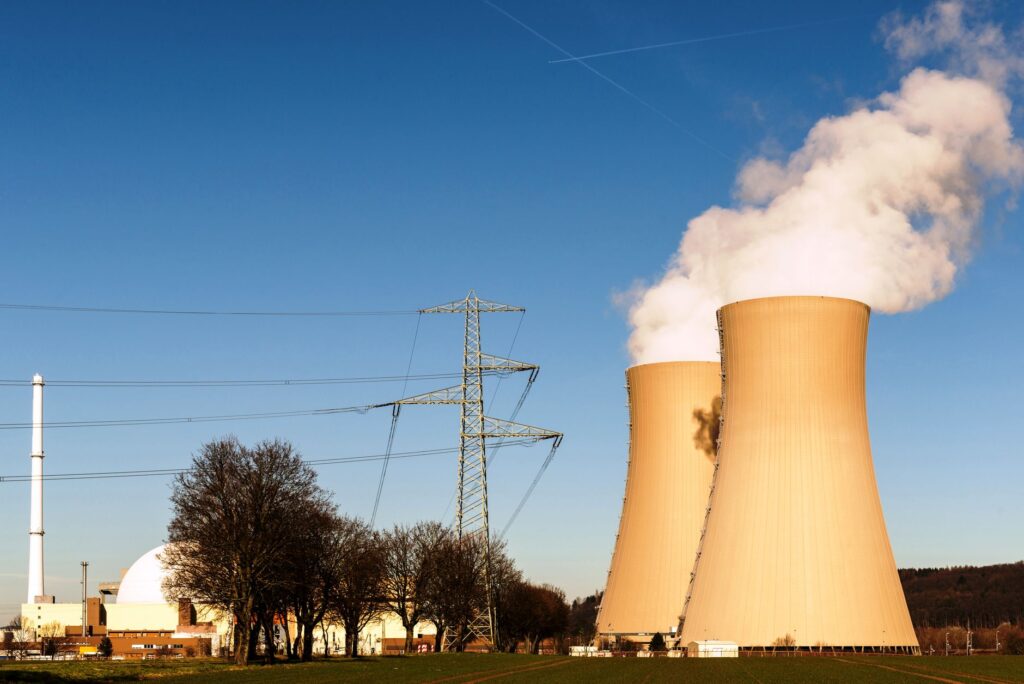

WASHINGTON — Nuclear energy pioneer Westinghouse Electric Company is spearheading a dramatic global atomic energy resurgence this year, capitalizing on shifting climate policies, surging electricity demands from artificial intelligence, and high-profile international diplomatic agreements, including landmark deals negotiated by the U.S. government with Saudi Arabia. Just seven years after filing for Chapter 11 bankruptcy protection in 2017 due to massive cost overruns on domestic reactor projects, the Cranberry Township, Pennsylvania-based company now stands at the epicenter of a multi-billion-dollar global nuclear expansion aimed at decarbonizing energy grids and securing national energy independence.
From Bankruptcy to Strategic Asset
In 2017, Westinghouse filed for bankruptcy following devastating delays and cost overruns associated with its AP1000 nuclear reactor construction projects in Georgia and South Carolina. The financial collapse rattled the global power sector and cast serious doubt over the economic viability of large-scale nuclear infrastructure in Western markets.
The company was subsequently acquired by Brookfield Business Partners in 2018 and restructured before Canadian uranium giant Cameco acquired a 49% stake in late 2023. This corporate reboot coincided with a dramatic global reassessment of nuclear energy’s role in combatting climate change and maintaining electrical grid stability.
Diplomatic Deals and International Expansion
A primary catalyst for Westinghouse’s current momentum stems from Washington’s aggressive diplomatic push to export American nuclear technology to strategic global partners. Recent bilateral negotiations between the U.S. government and Saudi Arabia have positioned Westinghouse as a leading candidate to build the Kingdom’s first commercial nuclear power plants.
Saudi Arabia seeks to develop multi-gigawatt nuclear capacity to diversify its domestic energy mix away from crude oil and power energy-intensive water desalination facilities. Under proposed bilateral cooperation frameworks, U.S. technology transfers would require strict non-proliferation guardrails while securing decades of high-value manufacturing and operational service contracts for American suppliers.
Beyond the Middle East, Westinghouse is expanding its footprint across Central and Eastern Europe as nations race to replace Russian state-owned nuclear suppliers. Governments in Poland, the Czech Republic, and Ukraine have selected Westinghouse’s flagship AP1000 technology and AP300 small modular reactors (SMRs) to overhaul aging coal-reliant energy grids and enhance geopolitical independence.
Surging Power Demand and Climate Mandates
The broader resurgence of nuclear energy is driven by unprecedented growth in global electricity demand, heavily accelerated by the rapid deployment of AI-focused data centers, semiconductor manufacturing, and electric vehicles. Major tech conglomerates and industrial operators are increasingly demanding round-the-clock, carbon-free energy that intermittent renewable sources like wind and solar cannot consistently provide.
At the COP28 climate summit, more than 20 nations pledged to triple global nuclear energy capacity by 2050 to meet net-zero carbon targets. According to data from the International Energy Agency (IEA), global nuclear electricity generation is projected to reach an all-time high by 2025 as new capacity comes online across Europe, Asia, and North America.
“We are witnessing a fundamental paradigm shift in how governments and major corporations evaluate energy reliability,” stated Dr. Marcus Vance, senior energy analyst at the Global Power Initiative. “Nuclear energy is no longer viewed as a legacy asset, but as an indispensable baseline power source for modern digital infrastructure.”
Technological Innovation and Small Modular Reactors
To capture emerging mid-scale markets, Westinghouse has expanded its product portfolio beyond traditional large-scale reactors. The company is actively commercializing its AP300 small modular reactor, alongside its ultra-compact eVinci microreactor aimed at remote industrial operations and military installations.
These modular designs significantly reduce initial capital expenditures and construction timelines, addressing the primary financial hurdles that historically constrained traditional nuclear builds. Industry forecasts indicate that the market for small modular reactors could exceed $300 billion globally over the next two decades.
Industry Implications and What to Watch Next
For the broader energy sector, Westinghouse’s resurgence marks a strategic geopolitical shift toward Western nuclear vendors over state-backed state competitors in Russia and China. As Washington increasingly integrates civil nuclear technology into its foreign policy and trade strategy, regulatory approvals and international non-proliferation standards will serve as critical policy focal points.
In the coming months, industry observers should track the finalization of the U.S.-Saudi Arabia 123 Agreement framework and upcoming safety evaluation milestones for Westinghouse’s AP300 reactor design. Additionally, the ability of Westinghouse and its international construction partners to meet strict delivery timelines without cost overruns will determine whether this atomic revival delivers long-term commercial success.