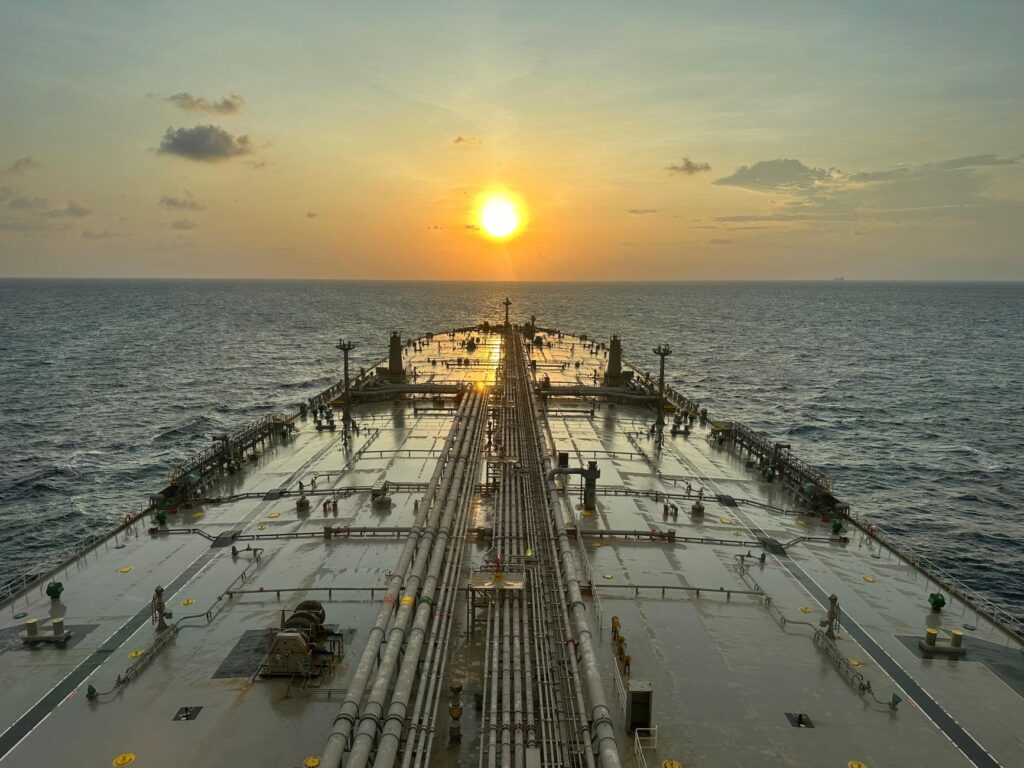

Global energy markets reached a critical flashpoint this week as Brent crude oil breached $100 per barrel for the first time in months, driven by intensifying military confrontations in the Red Sea and heightened threats around the Strait of Hormuz. The price surge follows a sharp escalation in conflict involving Iranian-backed Houthi forces, United States military strikes, and rising regional tensions that directly threaten vital global maritime corridors. Energy traders and sovereign import nations are scrambling to hedge against severe supply chain disruptions across the Middle East.
Geopolitical Tensions Reshape Maritime Trade Routes
The Red Sea and the narrow Bab el-Mandeb Strait serve as a vital conduit for approximately 12% of seaborne petroleum trade and nearly 30% of global container traffic. Recent targeted missile and drone attacks on commercial vessels have forced major international shipping conglomerates to alter their operational strategies.
To avoid high-risk zones, numerous international maritime carriers are diverting oil tankers around Africa’s Cape of Good Hope. This alternative path adds between 10 to 14 extra days to journeys between Asia and Europe, creating acute vessel availability shortfalls and sharply increasing operational costs.
The rerouting has pushed global maritime freight rates to multi-year highs and significantly lengthened delivery schedules for refined fuels and crude shipments destined for European and Mediterranean markets.
Energy Markets React to Supply Bottlenecks
The sudden price spike above the $100 threshold reflects a rapid recalibration of geopolitical risk premiums by global commodity traders. Physical crude oil markets are already demonstrating signs of tightness, driven by delayed arrivals and heightened demand for prompt deliveries.
Market observers note that while physical crude production has not yet been severed, the logistical friction generated by prolonged transit times effectively acts as a temporary reduction in global oil availability. Storage facilities at major importing hubs in Northwest Europe and East Asia are reporting increased drawdowns to offset delayed shipments.
Compounding market anxieties is the vulnerability of the Strait of Hormuz, located between Oman and Iran. As the transit point for nearly one-fifth of global petroleum consumption, any potential spillover of hostilities into this chokepoint could trigger severe global energy shortfalls.
Analysts Highlight Mounting Economic and Inflationary Risks
Industry experts emphasize that the current market dynamics extend far beyond immediate commodity trading desks. Maritime insurance underwriters have reportedly surged war-risk premiums for vessels traversing high-risk zones in the southern Red Sea.
Data from international energy institutions indicates that global commercial oil stocks were already trending below their five-year average prior to this latest escalation. Energy economists warn that a sustained period of crude oil above $100 per barrel will inevitably reignite global consumer inflation.
Financial analysts note that energy markets are currently pricing in a severe supply disruption scenario rather than a minor logistical delay. If shipping routes remain compromised through the coming quarter, standard inventory cushions across importing nations could rapidly deplete.
Downstream Impacts and Key Factors to Watch Next
The sustained surge in crude prices presents immediate challenges for consumer-facing industries, particularly aviation, trucking, and petrochemical manufacturing. Retail fuel costs are expected to rise rapidly, threatening to reverse recent progress in curbing headline inflation across major economies.
Central banks may face renewed pressure to alter interest rate trajectories if rising energy costs begin feeding into core consumer price indices. Consequently, government officials in major consuming nations are evaluating coordinated strategic oil reserve releases to temporarily calm volatile spot markets.
Market watchers are keeping a close focus on international naval protection operations, diplomatic efforts in the Middle East, and potential responses from OPEC+ regarding output quotas. Key indicators to monitor include upcoming production policy decisions, daily tanker transit counts through strategic chokepoints, and weekly commercial inventory reports.