









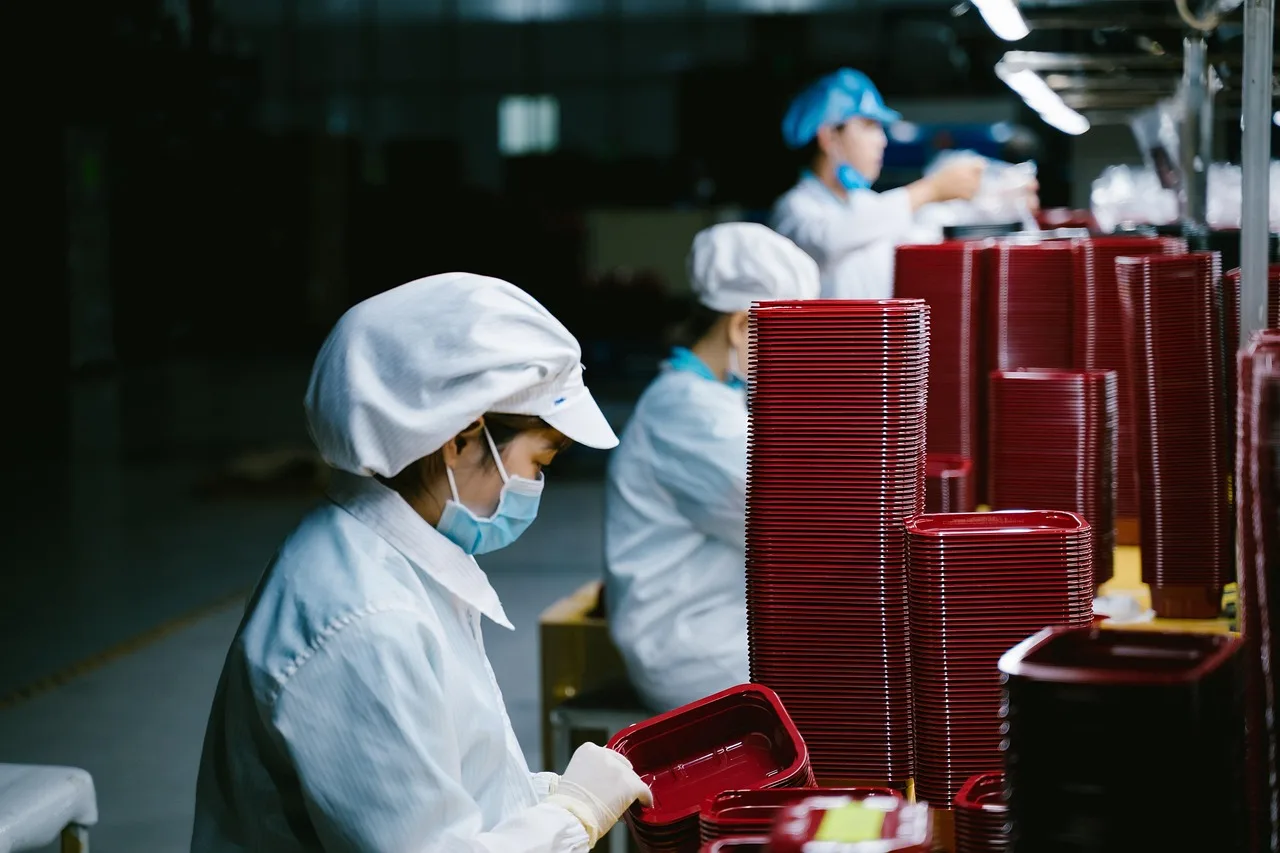
A decade after its 2014 launch, the ‘Make in India’ initiative has catalyzed a structural shift in the nation’s industrial economy, positioning the country to reach a $1 trillion export milestone by 2028. Government data indicates that manufacturing output has surged as global supply chains pivot toward India, supported by significant policy reforms and infrastructure upgrades aimed at simplifying the ease of doing business.
Contextualizing the Industrial Pivot
The ‘Make in India’ campaign was conceived to transform the nation into a global manufacturing hub by boosting the sector’s contribution to GDP. Over the past ten years, the government has introduced Production Linked Incentive (PLI) schemes across 14 key sectors, ranging from electronics and pharmaceuticals to automobiles.
These incentives address historical bottlenecks, such as high logistics costs and regulatory hurdles. By providing financial rewards based on incremental sales, the program has successfully incentivized domestic and foreign companies to scale their operations within Indian borders.
Expanding Capabilities and Global Integration
The electronics manufacturing sector serves as the most prominent success story of this decade. According to the Ministry of Electronics and Information Technology, mobile phone production in India has transitioned from assembly-focused operations to high-value manufacturing.
Multi-national corporations have increasingly diversified their manufacturing footprints, moving away from a single-country reliance strategy. This shift has been bolstered by the Gati Shakti National Master Plan, which integrates various infrastructure projects to reduce transit times and improve port connectivity.
Furthermore, the pharmaceutical and chemical industries have seen robust growth, leveraging India’s existing talent pool and lower operational costs. Data from the Reserve Bank of India shows that foreign direct investment (FDI) inflows into the manufacturing sector have remained resilient, signaling sustained investor confidence in long-term industrial prospects.
Expert Perspectives and Economic Data
Economists note that the current growth trajectory is supported by a demographic dividend and a deepening integration into global value chains. While the initial years focused on policy stability, the current phase emphasizes quality control and technological adoption.
Industry analysts point out that the transition toward Industry 4.0—incorporating automation and artificial intelligence—is essential for India to remain competitive against other manufacturing powerhouses. The focus has now shifted from mere volume to high-end manufacturing, including semiconductors and electric vehicle components.
Implications for the Global Market
For international trade partners, the rise of Indian manufacturing offers a strategic alternative for supply chain resilience. The emphasis on ‘China Plus One’ strategies has placed India in a favorable position to absorb shifts in global manufacturing demand.
For the domestic economy, the continued expansion of the manufacturing sector is critical for job creation. As factories scale up, the demand for a skilled workforce is expected to drive further investments in vocational training and technical education systems across the country.
Looking ahead, the focus will likely shift toward sustainability and green manufacturing. Investors should watch for further liberalizations in land acquisition laws and potential trade agreements that could further lower tariff barriers, potentially accelerating the $1 trillion export timeline.