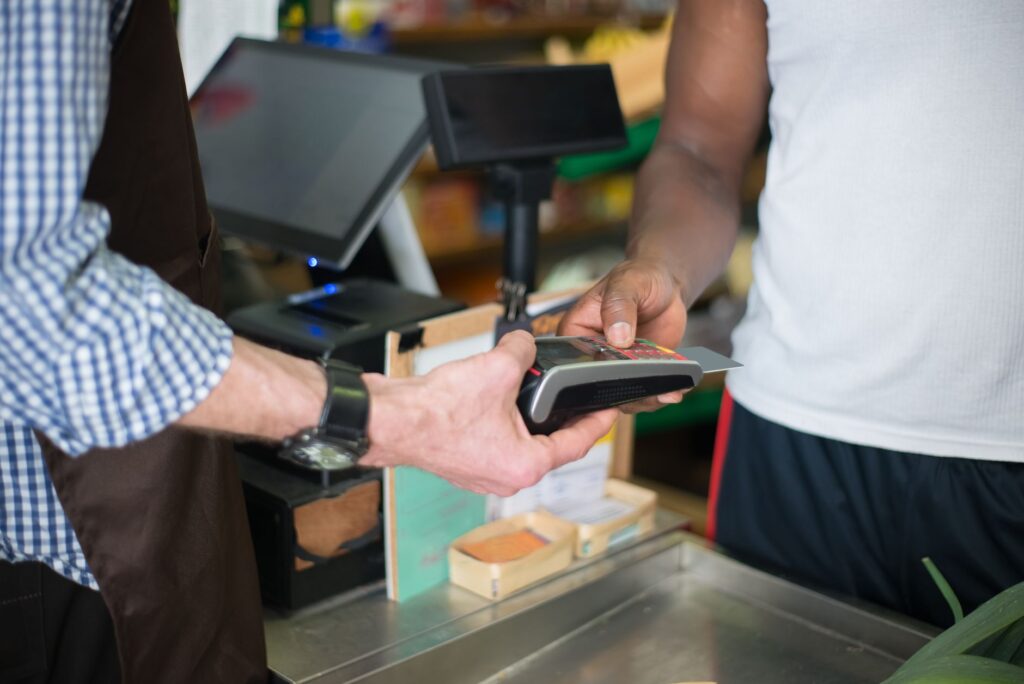

A growing number of working-age Americans are turning to credit cards and installment loans to keep food on the table as a cumulative 32% surge in grocery prices over the last five years pushes family budgets past their limits, according to new research released Monday by the Urban Institute.
The findings reveal that persistent food inflation has forced more than one in four adults into debt simply to cover basic household dietary needs. The trend marks a troubling shift in consumer behavior, as high interest rates and compounding balance transfers threaten long-term financial stability across the country.
Persistent Price Increases Strain Household Budgets
Grocery spending represents one of the largest fixed items in the average family budget, leaving consumers with few alternatives when prices spike. Over the past five years, food costs have increased substantially due to ongoing supply chain frictions, labor costs, and broader macroeconomic pressures.
While recent declines in fuel prices provided brief breathing room for household budgets, grocery store register totals remain stubbornly elevated. The personal consumption expenditures (PCE) price index rose 0.4% on a monthly basis in April, standing 3.8% higher than the previous year and signaling that baseline cost pressures remain firm.
Because food is an essential non-discretionary purchase, families cannot easily reduce consumption to offset these price increases. Consequently, millions of households are absorbing the shortfall by shifting daily grocery bills onto high-interest revolving credit lines.
Middle-Class Families Face Accelerating Debt Pressures
The Urban Institute study reports that 63.2% of working-age adults aged 18 to 64 charged grocery purchases to credit cards over the past year. Crucially, more than a quarter of those individuals subsequently encountered serious repayment difficulties.
Data shows that middle-income earners are enduring the sharpest increase in financial distress. Among families earning between 200% and 400% of the federal poverty level, the rate of missed minimum credit card payments on food purchases jumped from 9.3% in 2023 to 12.3% in 2025.
Across all working-age demographics, the proportion of shoppers failing to meet minimum credit card payments on food costs increased from 7.1% in 2023 to 8.7% in 2025. This rise underlines how short-term liquidity strategies are evolving into structural debt traps for average earners.
The Growing Reliance on Buy Now, Pay Later Plans
In response to rising register totals, short-term point-of-sale financing has expanded rapidly beyond durable consumer goods and apparel into everyday essentials. The report indicates that 8.9% of working-age adults utilized “Buy Now, Pay Later” (BNPL) installment plans to pay for groceries.
However, these alternative financing tools are frequently exacerbating consumer hardship rather than alleviating it. Among adults who used BNPL financing for food purchases, 34.8% failed to make an installment payment on time.