
The United States government announced on Tuesday the imposition of a 25% tariff on a select range of Brazilian imports, concluding a yearlong investigation by U.S. trade officials into what Washington describes as unfair trade practices. The Office of the United States Trade Representative (USTR) finalized the action after determining that certain Brazilian trade policies disadvantage American companies and distort bilateral commerce.
The new tariffs will take effect next month, targeting key industrial sectors and sparking concerns over potential retail price increases and supply chain disruptions. This decision marks a significant escalation in trade tensions between the two largest economies in the Western Hemisphere.
Background of the Trade Dispute
The decision stems from an investigation launched last year under Section 301 of the Trade Act of 1974, which grants the U.S. executive branch broad authority to enforce trade agreements and address foreign trade barriers. U.S. investigators focused on specific industrial sectors in Brazil, examining tax structures, domestic subsidies, and regulatory hurdles that allegedly favored local manufacturers over foreign competitors.
Historically, trade relations between the U.S. and Brazil have fluctuated over agricultural subsidies, steel tariffs, and intellectual property rights. This latest action represents one of the most significant trade escalations between the two nations in recent years, threatening to disrupt billions of dollars in annual trade flow.
According to the USTR report, the yearlong probe revealed persistent systemic barriers in Brazil that actively harm American exporters. U.S. officials argued that repeated diplomatic consultations failed to yield a satisfactory resolution, making defensive tariff actions necessary.
Affected Sectors and Economic Impact
While the official list of targeted products includes specialized machinery, steel products, and certain chemical exports, trade analysts are parsing the immediate financial impact. According to data from the U.S. Census Bureau, bilateral trade between the U.S. and Brazil reached over $75 billion last year, highlighting the deep integration of their supply chains.
“This tariff will immediately raise costs for U.S. importers who rely on Brazilian raw materials and intermediate goods,” said Dr. Elena Rostova, a global trade economist at the Washington-based International Policy Institute. Rostova noted that American manufacturers of heavy machinery and automotive parts could face the sharpest cost increases.
Conversely, domestic U.S. producers of these goods welcomed the announcement, arguing that the tariffs level the playing field. Industry representatives from the American Steel Coalition stated that the measures are necessary to counteract years of subsidized foreign competition that threatened domestic jobs.
Consumer advocacy groups, however, warn that the 25% duty could trickle down to everyday purchases. Products utilizing Brazilian steel, agricultural machinery, and industrial chemicals may see noticeable price hikes as companies pass the tariff costs onto consumers.
Brazil’s Response and Retaliation Risks
In Brasilia, government officials expressed strong disapproval of the U.S. decision, calling the tariffs unjustified, protectionist, and damaging to bilateral relations. The Brazilian Ministry of Foreign Affairs issued a statement indicating that the country is reviewing its options, which may include filing a formal dispute with the World Trade Organization (WTO).
“We regret this unilateral decision by the United States, which ignores our efforts to maintain an open and constructive dialogue,” the ministry stated. Brazilian agricultural groups, particularly exporters of soy, beef, and ethanol, have expressed concern that they could bear the brunt of any reciprocal trade barriers if the dispute escalates.
Market analysts suggest that Brazil could target U.S. agricultural exports in retaliation, a move that would hurt American farmers in key political states. Such retaliatory measures have been standard practice in previous global trade disputes, often leading to prolonged economic standoffs.
Global Supply Chain Implications
For global supply chains already strained by geopolitical tensions, this new tariff wall adds another layer of complexity. Multinational corporations operating in both countries must now re-evaluate their sourcing strategies to mitigate the 25% cost increase, potentially shifting production to other Latin American nations.
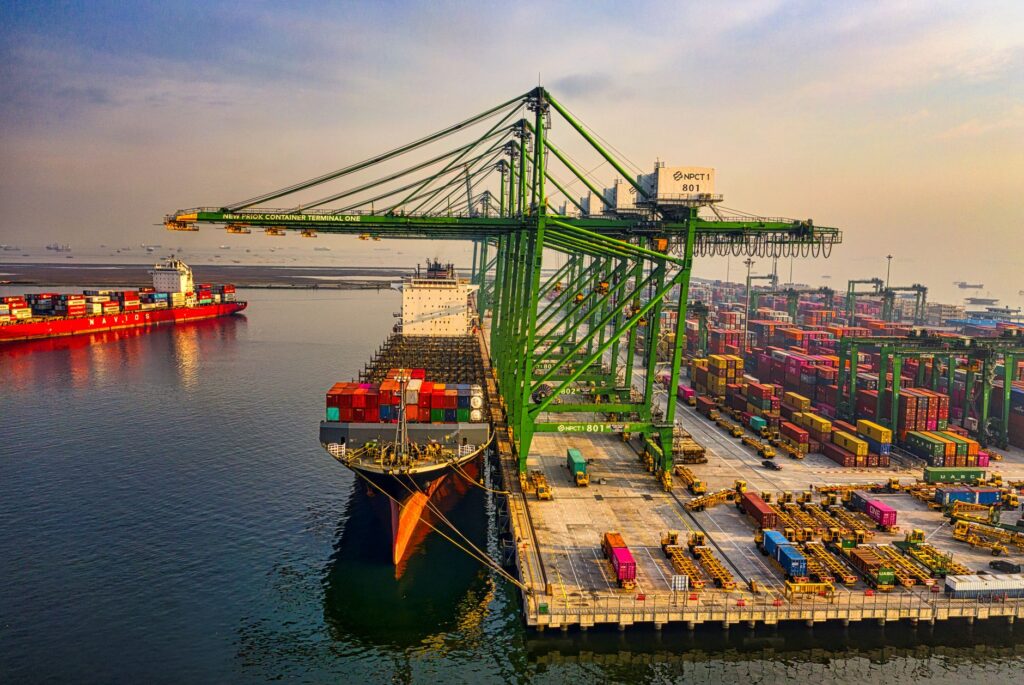
Logistics experts warn that rerouting supply chains is neither quick nor cheap, meaning the economic friction from these tariffs will persist for quarters to come. Shipping lanes and customs processing times may also face administrative bottlenecks as new tariff codes are implemented.
In the coming months, market observers should monitor the U.S. Customs and Border Protection’s implementation timeline and whether American businesses seek tariff exclusions for critical components. The critical factor to watch will be Brazil’s formal response; if Brasilia retaliates with tariffs on U.S. agricultural exports like cotton or dairy, it could trigger a broader trade conflict affecting farmers across the American Midwest.