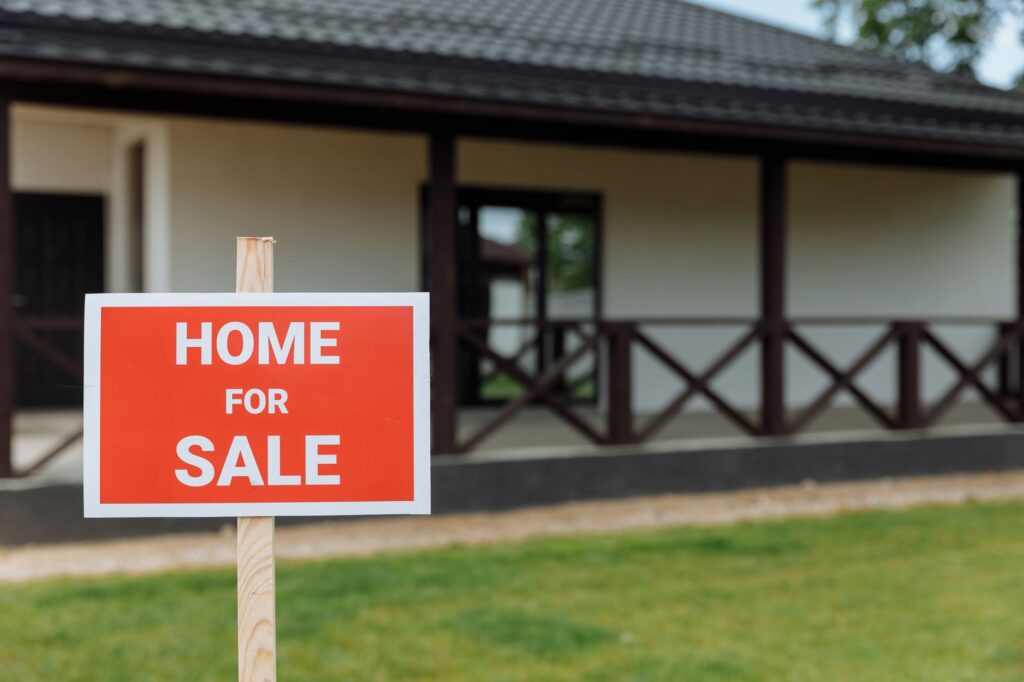

This summer, the United States housing market is experiencing a severe slowdown as a combination of near-historic mortgage rates, record-high home prices, and mounting consumer anxiety dampens existing home sales and builder confidence nationwide. This cooling trend, unfolding across major metropolitan areas and suburban markets alike, marks a stark shift from the pandemic-era buying frenzy. Financial pressures are squeezing both prospective buyers and homebuilders, creating a gridlock that experts warn could persist through the end of the year.
The Convergence of High Rates and Record Prices
The current market gridlock stems from a dual economic pressure: elevated borrowing costs and stubbornly high property values. Following the Federal Reserve’s aggressive interest rate hikes initiated in 2022 to combat inflation, the average 30-year fixed mortgage rate has hovered near 7%, more than doubling since the start of the decade. This sharp increase has significantly reduced purchasing power for average American families, adding hundreds of dollars to monthly mortgage payments.
Compounding the issue, home prices have not experienced the typical decline associated with rising interest rates. Because many current homeowners secured mortgage rates below 4% during the pandemic, they are unwilling to sell and take on new, more expensive loans. This “lock-in effect” has severely restricted the supply of existing homes, keeping prices at record highs due to basic supply-and-demand dynamics in most metropolitan regions.
Struggling Buyers and Hesitant Sellers
For prospective buyers, the combination of high rates and peak pricing has pushed affordability to its lowest point in decades. According to recent consumer sentiment surveys from Fannie Mae, a vast majority of Americans now believe it is a bad time to buy a home. Monthly mortgage payments on a median-priced home have increased by over 50% compared to three years ago, forcing many first-time buyers out of the market entirely.
Sellers are equally paralyzed by the current economic landscape, resulting in a stagnant marketplace. Listing a home today means giving up an ultra-low mortgage rate for a significantly higher one on a subsequent purchase, a financial trade-off few are willing to make. Consequently, the inventory of homes for sale remains far below historical norms, leaving those buyers who can afford to purchase with very few options.
Builder Sentiment Plummets as Demand Cools
The slowdown is also severely impacting the new construction sector, which had previously been a bright spot in a supply-constrained market. The National Association of Home Builders (NAHB)/Wells Fargo Housing Market Index recently reported a significant drop in builder confidence, sliding well below the key break-even threshold of 50. Builders cite high interest rates for construction loans and hesitant buyers as primary reasons for the decline in optimism.
To stimulate sales, many builders are resorting to financial incentives, such as mortgage rate buy-downs and price reductions. While these strategies temporarily boost traffic, they compress profit margins and are unsustainable over the long term. Consequently, housing starts and permits for future construction have begun to decline, signaling a potential slowdown in future housing supply that could prolong the crisis.
Economic Data Highlights the Gridlock
Recent data from the National Association of Realtors (NAR) confirms the downward trajectory of the market. Existing-home sales fell by several percentage points month-over-month, continuing a multi-month decline that highlights the freezing of the market. Meanwhile, the median sales price for all housing types reached a record high of over $419,000, illustrating the persistent price pressure despite falling sales volume.
“We are seeing a clear disconnect between buyers and sellers,” says Lawrence Yun, Chief Economist at the NAR. Yun notes that while inventory is slowly beginning to tick up in some regions, it is not happening fast enough to offset the affordability crisis. The lack of meaningful price relief means that even a slight drop in mortgage rates may not immediately revive the market for average consumers.
What Lies Ahead for the Housing Market
Looking forward, industry analysts and economists are closely watching the Federal Reserve’s upcoming policy decisions for any signs of relief. A potential cut in the benchmark interest rate later this year could ease mortgage rates toward the mid-6% range, offering minor relief to buyers. However, market experts caution that a return to the ultra-low rates of the past decade is highly unlikely in the foreseeable future.
In the coming months, stakeholders should monitor regional inventory levels and builder incentive programs as indicators of market health. If inventory continues to build gradually without a corresponding surge in demand, home prices may finally begin to stabilize or soften in select markets. Until borrowing costs align more closely with consumer purchasing power, the housing market is expected to remain in a state of low-volume stagnation, leaving both buyers and sellers waiting for a shift in the economic tide.