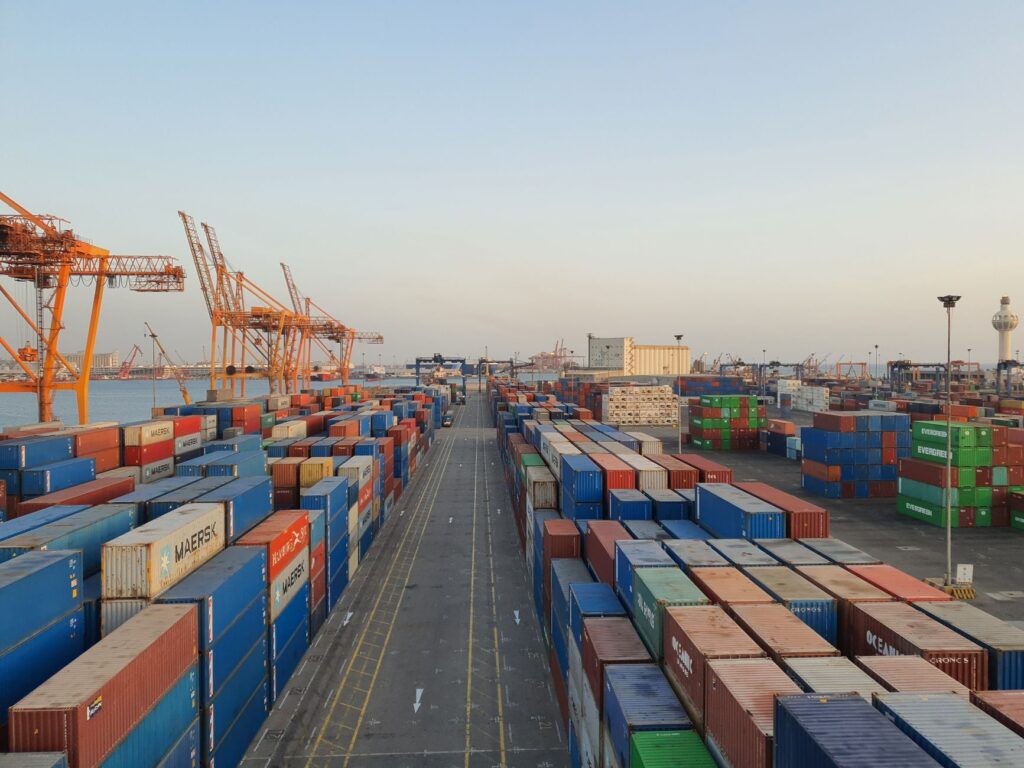

WASHINGTON — The Trump administration announced on Tuesday a new round of import tariffs on Brazilian goods, escalating trade tensions with Latin America’s largest economy over allegations of unfair market practices. The new measures aim to replace a previous tariff package that the U.S. Supreme Court recently struck down, marking a swift executive pivot to protect domestic industries.
A Legal Setback Prompts Executive Action
The Supreme Court’s decision last month invalidated the administration’s prior trade penalties on procedural grounds, ruling that the executive branch had exceeded its statutory authority under previous trade emergency declarations. In response, federal trade officials drafted this revised framework, citing Section 301 of the Trade Act of 1974 to bypass the specific legal hurdles highlighted by the court.
White House officials argue that Brazil’s export strategies harm American businesses and require immediate corrective action. By utilizing different statutory powers, the administration seeks to establish a more legally resilient barrier against Brazilian imports, particularly in the manufacturing and metals sectors.
Targeted Sectors and Economic Friction
The newly proposed duties will primarily target Brazilian steel, aluminum, and select agricultural exports, which U.S. officials claim benefit from distortive domestic subsidies. According to the Office of the U.S. Trade Representative (USTR), Brazil’s current export pricing undercuts American manufacturers and farmers, creating an uneven playing field in the domestic market.
Brazilian officials have consistently denied these allegations, arguing that their trade practices align fully with World Trade Organization (WTO) guidelines. The Brazilian Ministry of Foreign Affairs expressed deep regret over the decision, warning that unilateral tariffs undermine bilateral cooperation and violate international trade norms.
Industry Reactions and Economic Data
Trade data from the U.S. Census Bureau indicates that bilateral trade between the U.S. and Brazil totaled over $74 billion last year, with steel making up a significant portion of Brazil’s exports to American buyers. Domestic steel producers in states like Pennsylvania and Ohio have welcomed the administration’s announcement, asserting that import protections are vital for preserving American industrial jobs.
Conversely, U.S. manufacturing coalitions that rely on imported raw materials warn that the tariffs will inevitably drive up production costs. The Coalition of American Metal Manufacturers and Users released a statement warning that higher costs for Brazilian steel will force domestic factories to raise prices on finished goods, ultimately impacting American consumers.
Economists also point out that Brazil is a critical supplier of semi-finished steel slabs, which many U.S. steel mills require to produce finished products. Restricting these imports could lead to supply bottlenecks and temporary layoffs in domestic processing plants that depend on Brazilian raw materials.
Geopolitical and Market Implications
Analysts warn that the sudden reintroduction of tariffs could disrupt supply chains across the Americas and strain diplomatic relations between Washington and Brasília. The move comes at a sensitive time for Latin American markets, which are already navigating high inflation and fluctuating commodity prices.
“This move risks triggering retaliatory measures from Brazil, particularly targeting American agricultural exports like corn, cotton, and ethanol,” said Monica de Bolle, a senior fellow at the Peterson Institute for International Economics. De Bolle noted that Brazil has previously demonstrated a willingness to impose reciprocal duties on U.S. goods to protect its own economic interests.
The Brazilian government has already initiated emergency meetings with industrial leaders to formulate a coordinated response. This response is expected to include both domestic support packages for affected exporters and a formal complaint filed with the WTO dispute settlement body.
What to Watch Next
Moving forward, market analysts will closely monitor the implementation timeline of the new tariffs and Brazil’s official retaliatory strategy. The U.S. Congress may also face pressure from agricultural and manufacturing lobbies to review the executive branch’s use of unilateral trade powers.
Legal experts anticipate immediate challenges to the new executive order from domestic trade groups and importing companies, potentially setting up another high-stakes battle in federal courts. The coming weeks will reveal whether this policy succeeds in protecting domestic markets or instead ignites a broader, retaliatory trade conflict in the Western Hemisphere.