








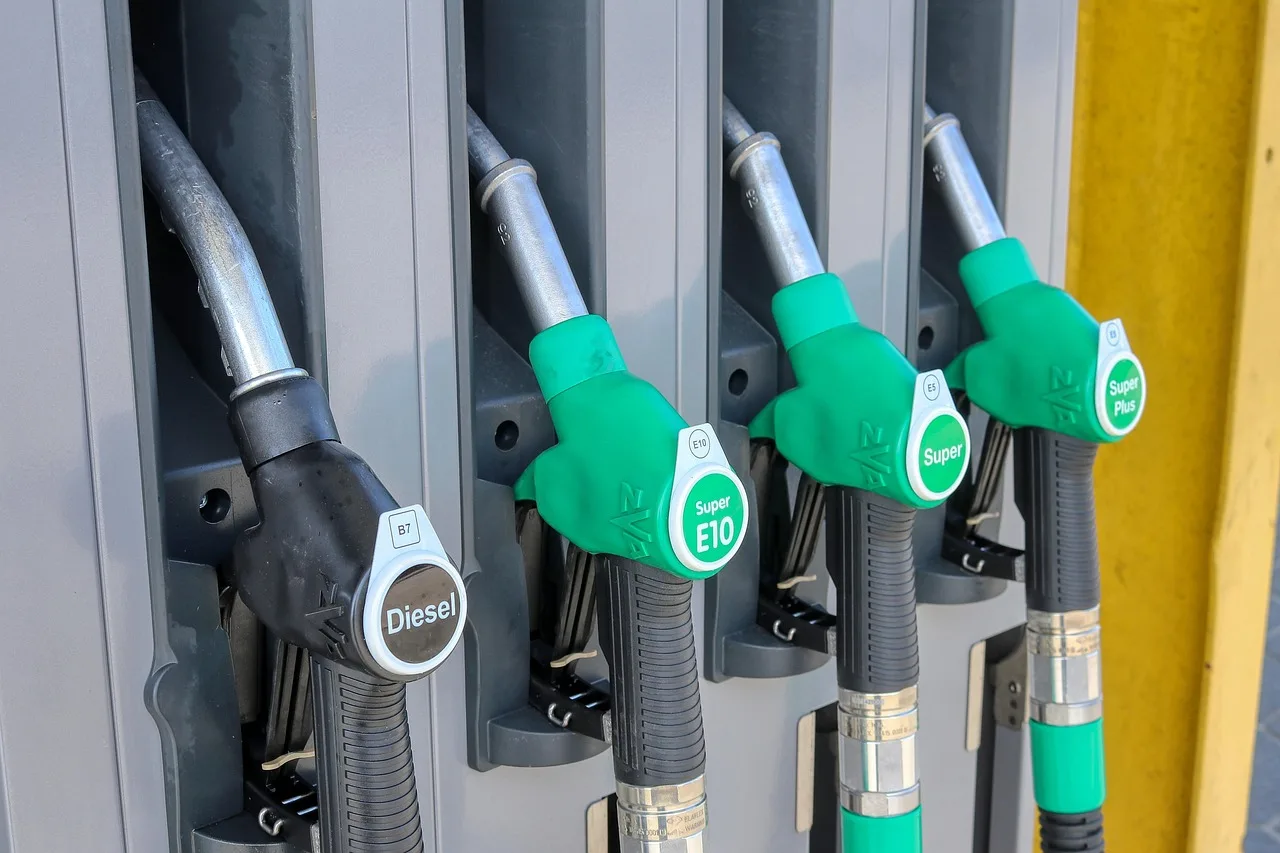
India is grappling with a significant surge in demand for petrol and diesel across multiple regions, with some areas reporting a doubling of sales volumes this month. Simultaneously, the Indian government announced that domestic Liquefied Petroleum Gas (LPG) production has reached an all-time high, aiming to stabilize energy supplies and address localized shortages.
Contextualizing the Energy Spike
The sudden uptick in fuel consumption follows a period of volatile economic activity and shifting logistics patterns across the subcontinent. As the industrial sector ramps up production and transportation networks expand, the reliance on traditional fossil fuels remains a critical pressure point for the national economy.
Historically, India imports a substantial portion of its crude oil requirements, making the domestic production of refined products a key metric for energy security. The government’s recent focus on boosting LPG output is part of a broader strategy to decrease dependency on external markets while ensuring that household and commercial energy needs are met without interruption.
Analyzing the Demand Dynamics
Market analysts suggest that the surge in petrol and diesel demand is driven by a confluence of factors, including increased heavy vehicle movement and a seasonal rise in agricultural activity. In several states, the rapid escalation in sales has strained local distribution infrastructure, leading to temporary supply bottlenecks.
Data from petroleum retailers indicates that diesel, the primary fuel for the logistics and trucking industry, has seen the most dramatic increase in volume. This reflects a broader trend of economic recovery where the movement of goods is outpacing the current supply chain capacity.
Government Intervention and Supply Restoration
To mitigate the impact of the demand spike, the Ministry of Petroleum and Natural Gas has accelerated efforts to streamline the supply chain. Official reports confirm that LPG production has hit record levels, providing a buffer that allows the government to reallocate resources to regions currently experiencing shortages.
Energy experts note that while record-breaking LPG output is a positive indicator for domestic self-reliance, the underlying challenge remains the distribution of refined fuels. The government is currently coordinating with oil marketing companies to ensure that bulk supplies are diverted to high-demand clusters to prevent further price volatility.
Industry Implications and Future Outlook
For the logistics and transportation sectors, the current situation underscores the necessity of maintaining robust fuel reserves. Businesses are likely to face temporary cost fluctuations as supply chains struggle to synchronize with the heightened rate of consumption.
Observers are now monitoring whether this surge is a temporary anomaly or a sustained shift in consumption patterns. If demand continues to outpace supply, the industry may see increased investment in refining infrastructure and storage facilities. Stakeholders should watch for upcoming government policy announcements regarding fuel subsidies and storage mandates, which will likely dictate market stability in the coming quarter.