





Strategic Price Adjustments
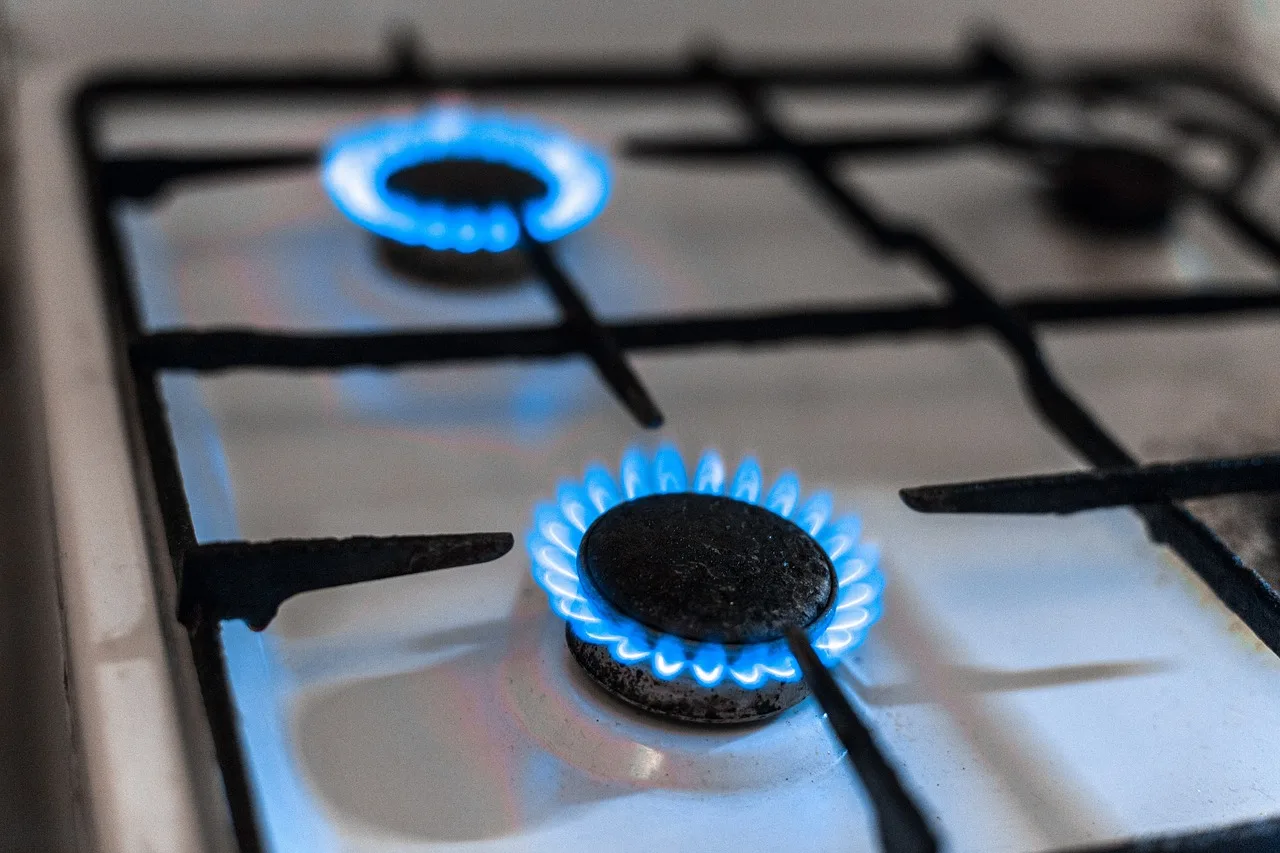
Government officials confirmed this week that the recent hike in Liquefied Petroleum Gas (LPG) prices was a necessary measure to balance the financial stability of state-run oil companies against the ongoing needs of domestic consumers. The decision, implemented across major markets, marks a shift in energy pricing policy, though authorities explicitly stated there are no current plans to increase the retail prices of petrol and diesel.
Context of Energy Subsidies
For decades, the pricing of domestic fuels has been a politically sensitive issue, often requiring the government to intervene to shield citizens from volatile global crude oil prices. State-owned oil marketing companies (OMCs) frequently bear the brunt of these fluctuations, often selling fuel below market rates to maintain price stability. This structural imbalance has periodically forced the government to step in with subsidies or authorize price adjustments to ensure these companies remain solvent and capable of maintaining supply chains.
Balancing Financial Viability
The latest adjustment to LPG pricing reflects the government’s attempt to reduce the subsidy burden on the national exchequer. By allowing oil companies to recoup some of the losses incurred from global supply chain disruptions, the administration aims to bolster the financial health of the energy sector. Industry analysts note that while LPG prices fluctuate based on international import parity, the burden is often distributed unevenly, necessitating periodic reviews to keep the business model viable.
The Stance on Transportation Fuels
Despite the upward trend in LPG, the government has maintained a firm stance on keeping petrol and diesel prices unchanged. Sources within the administration emphasized that the retail price of transportation fuels remains under close monitoring to prevent inflationary pressure on the broader economy. Because diesel and petrol are essential inputs for logistics and public transport, any change in these prices would have an immediate, cascading effect on the cost of goods and services.
Expert Perspectives and Economic Impact
Energy economists argue that these segmented pricing strategies are designed to isolate the impact of global volatility from essential consumer goods. “The government is prioritizing the stability of transport logistics to keep inflation in check,” says a senior energy consultant. Data from the Petroleum Planning and Analysis Cell (PPAC) indicates that while international crude prices have fluctuated, the government has utilized a combination of excise duty adjustments and price freezing to insulate the domestic market. However, this strategy relies heavily on the fiscal capacity of the government to absorb potential losses during periods of sustained high oil prices.
Future Implications for Consumers
Looking ahead, the focus will remain on whether the current pricing model can withstand prolonged global instability. Industry watchers are closely monitoring the crude oil basket price, which serves as a benchmark for domestic fuel costs. If global markets remain volatile, the government may be forced to choose between further price hikes or increasing fiscal allocations to support state-owned oil retailers. Consumers should prepare for potential adjustments in LPG procurement cycles as the government continues to prioritize a sustainable financial framework for energy distribution over the coming fiscal year.