





New Fuel Standards on the Horizon
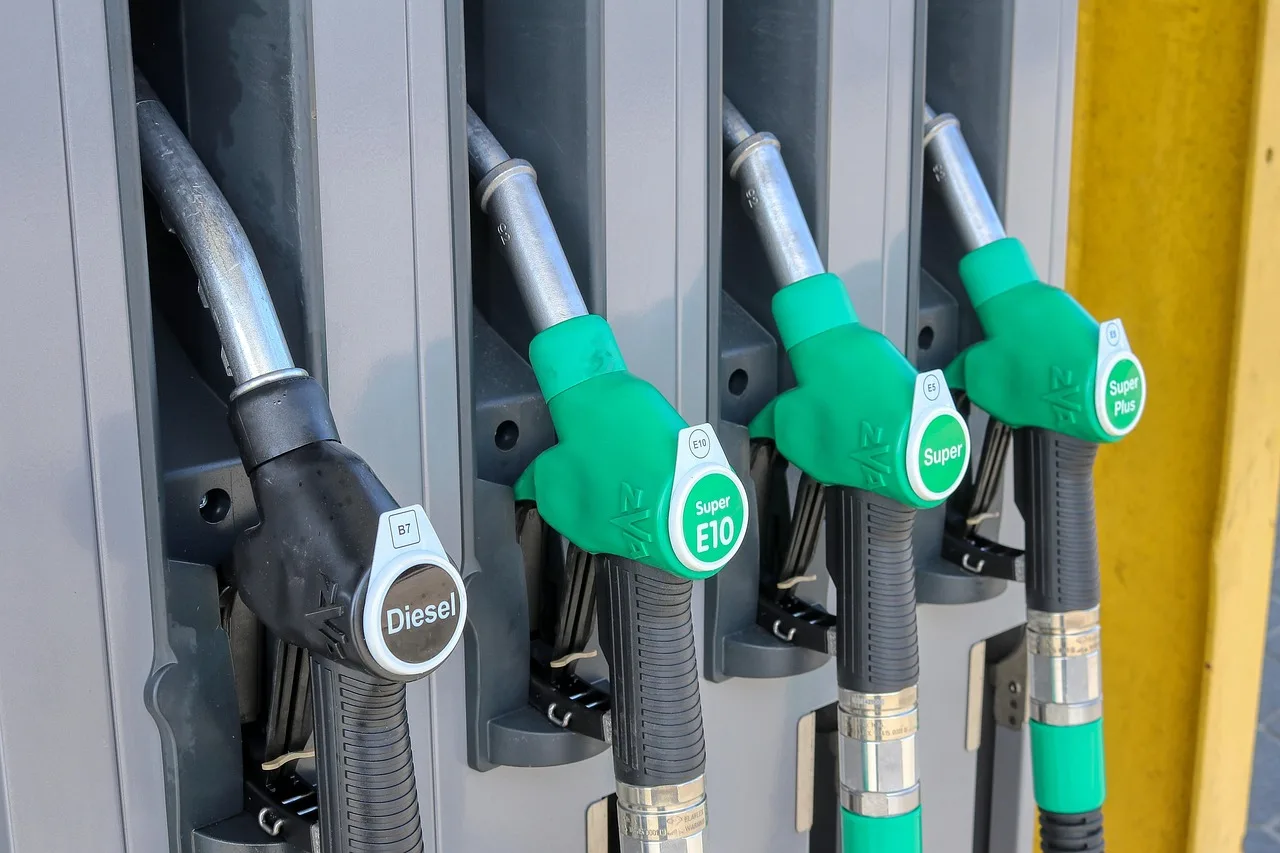
The Ministry of Road Transport and Highways (MoRTH) is preparing to introduce a mandate for diesel-isobutanol blending later this year, according to Secretary Anurag Jain. This policy shift aims to lower carbon emissions in India’s heavy-duty transport sector by integrating bio-based alternatives into the existing fuel supply chain.
The initiative is part of a broader strategy to reduce the nation’s heavy reliance on fossil fuels. By transitioning toward cleaner fuel blends, the government intends to improve air quality and align with national climate commitments.
Context of the Fuel Transition
India’s transport sector currently accounts for a significant portion of the country’s total greenhouse gas emissions. While electric mobility has dominated the discourse for passenger vehicles, the long-haul trucking industry presents unique challenges due to energy density requirements and vehicle weight.
Isobutanol has emerged as a viable drop-in fuel candidate because it can be blended with diesel without requiring extensive modifications to existing internal combustion engines. This compatibility makes it a strategic asset for decarbonizing the legacy fleet while the infrastructure for hydrogen and battery-electric trucks continues to develop.
Expanding the Alternative Fuel Ecosystem
In addition to the blending mandate, MoRTH is actively reviewing a draft notification regarding standardized truck-trailers. This regulatory effort seeks to streamline logistics efficiency, which indirectly supports fuel conservation by optimizing freight capacity and reducing unnecessary trips.
Industry experts note that isobutanol offers a higher energy density than ethanol, making it particularly effective for diesel-powered heavy vehicles. According to recent data from the International Energy Agency (IEA), advanced biofuels will play a critical role in the 2030 transition roadmap for emerging economies looking to curb oil imports.
Expert Perspectives and Industry Data
Logistics analysts suggest that the blending mandate will likely be phased in to allow oil marketing companies to adjust their supply chains. The success of the program will depend heavily on the availability of biomass feedstocks and the scale of domestic production capacity.
Market research firm CRISIL indicates that the move toward alternative fuels could save the exchequer significant foreign exchange reserves currently spent on crude oil imports. However, stakeholders emphasize that clear pricing mechanisms and consistent quality standards are essential to ensure a seamless transition for fleet operators.
Implications for the Logistics Sector
For fleet owners, the upcoming mandate signals a shift in operational costs and maintenance requirements. While drop-in fuels minimize engine modifications, businesses will need to prepare for potential fluctuations in fuel pricing as the supply chain adjusts to the new chemical additives.
The industry should monitor the upcoming draft notification closely, as it will likely define the specific blending percentages and the timeline for compliance. Future developments will also include the expansion of refueling infrastructure capable of handling bio-blended diesel, which will be a key indicator of the mandate’s long-term viability and impact on national transport emissions.