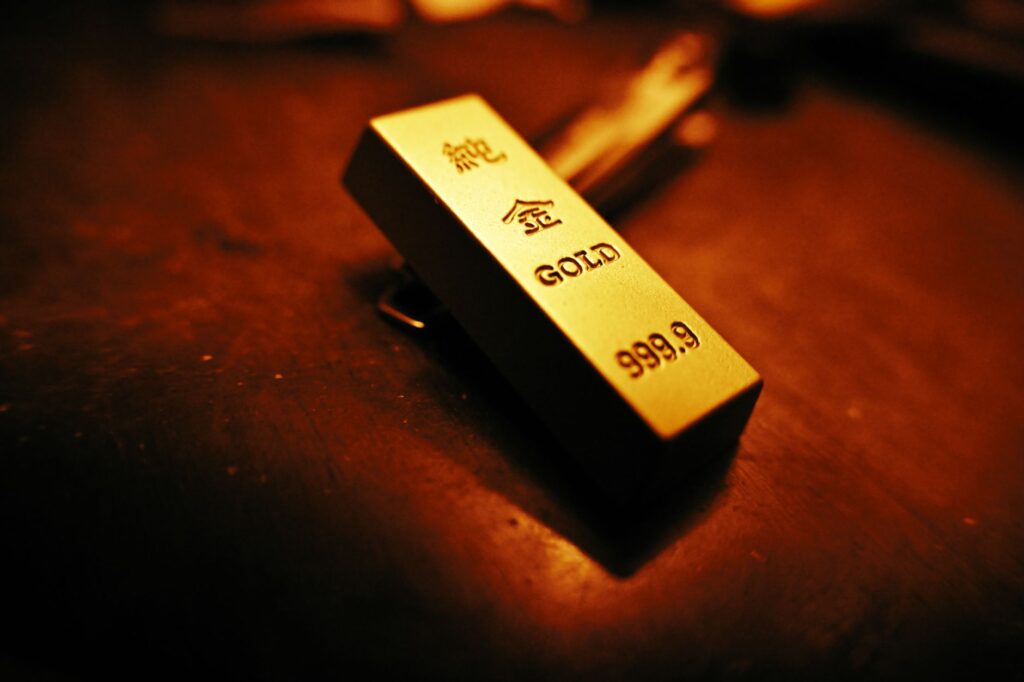

Retail gold and silver prices across India’s major metropolitan hubs, including Delhi, Mumbai, and Kolkata, registered strategic fluctuations on July 14 as global macroeconomic pressures and domestic demand reshaped the bullion market. Investors and retail consumers navigated these shifting rates against a backdrop of volatile trading on the Multi Commodity Exchange (MCX) and international currency movements. The pricing adjustments come at a crucial fiscal juncture, as market participants analyze domestic inflation data and global central bank signals to forecast the next trajectory for precious metals.
Understanding India’s Bullion Market Dynamics
To understand the daily pricing of precious metals in India, consumers must distinguish between the purity levels of gold. Retailers primarily trade in 24-karat (24K) gold, which represents 99.9% purity and serves as the benchmark for investment bars, and 22-karat (22K) gold, which contains 91.6% purity and is preferred for jewelry manufacturing due to its durability. Silver retail rates are typically quoted for 999 purity (99.9% pure silver) per kilogram.
While the Multi Commodity Exchange (MCX) dictates the national wholesale momentum, local retail prices vary across Indian cities. These discrepancies stem from localized factors, including state-specific taxes, local transport costs, jewelry association agreements, and varying making charges applied by regional retail chains. Consequently, a consumer in Delhi might observe a different retail rate than a buyer in Mumbai or Kolkata on any given day.
City-Wise Retail Rates for July 14
On July 14, retail data indicated that 24K gold in Delhi hovered around ₹73,150 per 10 grams, reflecting the capital’s historically high demand and localized distribution costs. Meanwhile, Mumbai, often considered the financial gateway for bullion imports, recorded 24K gold at approximately ₹73,000 per 10 grams. Kolkata mirrored Mumbai’s pricing closely, trading at ₹73,000 per 10 grams, while Chennai registered slightly higher retail rates due to robust regional demand for physical gold.
For 22K gold, which dominates the consumer jewelry segment, Delhi retailers quoted prices at approximately ₹67,060 per 10 grams. In Mumbai and Kolkata, 22K gold stood at ₹66,910 per 10 grams. Silver prices remained highly correlated with industrial demand, trading at approximately ₹91,500 per kilogram in Delhi and Mumbai, while southern markets like Chennai saw silver trading closer to ₹95,000 per kilogram, driven by distinct regional consumption patterns.
Global Macroeconomics and MCX Movements
The performance of precious metals on the domestic MCX is heavily tethered to international indices, particularly the spot gold prices on COMEX. On July 14, global spot gold consolidated near key resistance levels, supported by soft US inflation data which bolstered expectations of an upcoming interest rate cut by the Federal Reserve. Because gold is priced globally in US dollars, any weakness in the greenback makes the metal cheaper for international buyers, subsequently driving up domestic demand and prices in importing nations like India.
Furthermore, the Indian Rupee’s performance against the US Dollar played a critical role in shaping retail rates. A depreciating rupee increases the landed cost of imported gold, forcing domestic refiners and banks to pass the additional costs down to retail jewelers. This currency dynamic explains why Indian gold prices occasionally rise even when global spot prices remain flat.
Silver’s dual role as both an investment asset and an industrial commodity has introduced additional volatility to the market. With expanding applications in solar energy, electric vehicles, and electronics, industrial demand for 999 silver continues to outpace supply, keeping retail prices elevated across Indian metros despite short-term market corrections.
Expert Insights on Precious Metals
Market analysts suggest that the current pricing environment represents a consolidation phase before the next major market trigger. Commodity experts point out that while high prices initially deterred some retail jewelry buyers, investment demand via Gold Exchange Traded Funds (ETFs) and sovereign gold instruments has remained resilient.
“The retail bullion market is currently balancing between high import costs and cautious consumer sentiment,” noted a senior commodity analyst at a prominent Mumbai-based financial services firm. “While physical jewelry sales experience a seasonal lull during the monsoon period, investment-driven purchases of gold coins and silver bars continue to provide a solid floor for retail prices.”
Future Outlook and Key Metrics to Watch
Looking ahead, market participants should closely monitor several impending catalysts that will dictate gold and silver prices in the coming weeks. The upcoming US Federal Reserve monetary policy meeting remains the most significant external driver, as any formal confirmation of rate cuts could trigger a fresh rally in non-yielding assets like gold. Domestically, the upcoming Union Budget announcement is a critical event for the bullion industry, with jewelers lobbying for a reduction in import duties to curb smuggling and stimulate retail demand.
Additionally, the arrival of the festive season in late August and September traditionally spurs a massive uptick in physical buying, which could pressure retail premiums higher regardless of global market corrections. Investors should watch the MCX support levels of ₹71,500 for gold and ₹89,000 for silver to gauge the medium-term momentum of these precious metals.