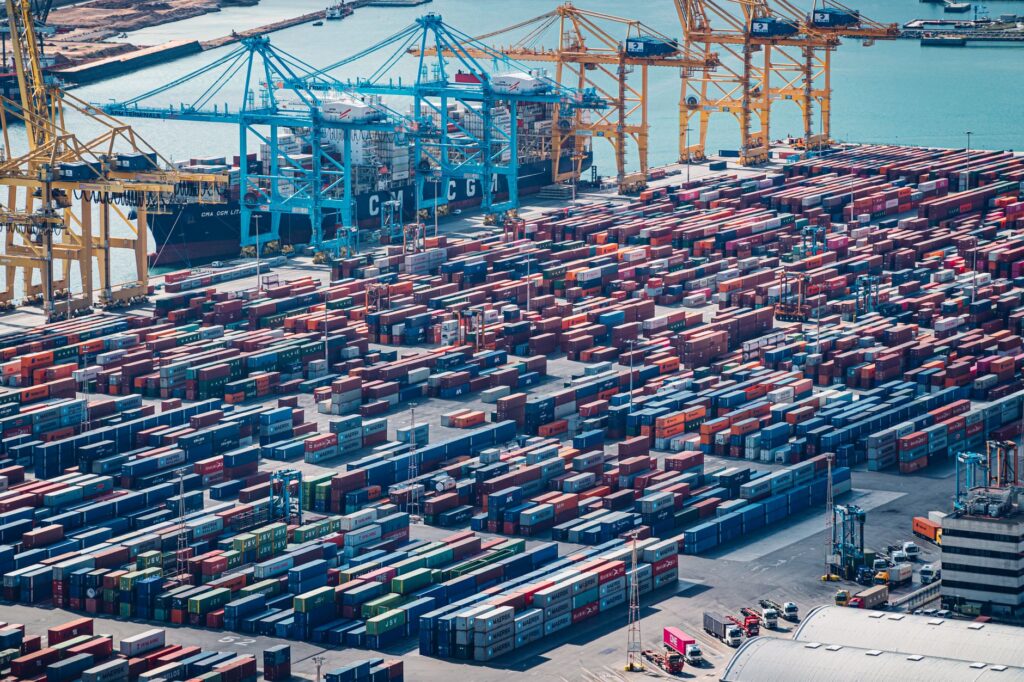

On Tuesday, China’s General Administration of Customs reported a massive 27% year-on-year surge in exports, significantly outpacing global economic forecasts. This rapid expansion, marking the strongest export growth in four months, blew past the 19% gain projected by economists surveyed by Bloomberg. The unexpected surge was largely fueled by an escalating global artificial intelligence boom, which has supercharged demand for advanced electronics, semiconductors, and server infrastructure manufactured in Chinese industrial hubs.
At the same time, Chinese imports also grew at a faster-than-expected rate, signaling a potential stabilization in domestic industrial demand. This dual expansion suggests that China’s manufacturing sector remains highly competitive and deeply integrated into the global technology supply chain, even as the country faces mounting trade barriers and geopolitical friction with Western nations.
The AI Catalyst and Global Tech Demand
The primary driver behind this trade acceleration is the worldwide race to build out artificial intelligence capabilities. Tech conglomerates and cloud service providers globally are rapidly expanding their data centers, creating an insatiable appetite for high-performance computing hardware, power supply units, and cooling systems. Chinese factories have positioned themselves as indispensable suppliers of these essential physical components.
According to customs data, shipments of automatic data processing machines, integrated circuits, and key electronic components saw double-digit growth. Analysts note that while advanced logic chips face strict export controls, China has successfully capitalized on the massive demand for legacy semiconductors, printed circuit boards, and physical infrastructure components essential for AI data centers.
This high-tech export drive has offset persistent weaknesses in other sectors of the Chinese economy, such as the prolonged real estate downturn and sluggish domestic consumer spending. By pivoting heavily toward advanced manufacturing, Beijing has managed to sustain robust GDP growth targets, relying on foreign buyers to absorb its massive industrial output.
Divergent Economic Perspectives and Trade Routing
Many economists view these figures as a testament to the flexibility of China’s supply chains. “The data demonstrates that global demand for technology infrastructure is currently strong enough to override existing tariff hurdles,” said senior trade economists analyzing the Tuesday release. “China remains the factory of the world, especially when sudden spikes in global tech demand require rapid scaling of production.”
However, some analysts warn that this export-led growth model may face structural headwinds in the coming quarters. There are concerns that some of the export surge could represent “front-loading”—a practice where global buyers accelerate orders to secure inventory before anticipated new tariffs take effect in the United States and the European Union. This artificial demand boost could lead to a sharp drop-off in trade volumes later in the year.
Geographically, China’s trade patterns are also shifting. While direct exports to the United States and the European Union showed steady gains, shipments to emerging markets in Southeast Asia and Latin America surged dramatically. This suggests that Chinese manufacturers are successfully diversifying their client base and utilizing transshipment hubs to bypass direct Western trade barriers.
Additionally, the robust import data indicates that Chinese factories are actively purchasing raw materials and intermediate components from abroad. This suggests that the export boom is not just a statistical anomaly but is backed by genuine, high-volume manufacturing activity across the country’s major industrial zones, which requires continuous inputs of global raw materials.
Implications for Global Supply Chains and Policy
The stronger-than-expected trade performance has immediate implications for international monetary policy and trade relations. For Western policymakers, the surge in Chinese exports will likely intensify debates over industrial overcapacity and the need for more protective trade measures to shield domestic manufacturers.
The European Union and the United States have already initiated several anti-dumping investigations and tariff hikes targeting Chinese clean energy technologies and semiconductors. This latest trade data could provide further ammunition for lawmakers pushing to decouple critical supply chains from Chinese manufacturers, arguing that Beijing’s export-driven strategy distorts global markets.
For global financial markets, the data offers a sigh of relief regarding global consumer and corporate demand. Strong Chinese exports suggest that capital expenditure in the technology sector remains highly resilient, reinforcing investor confidence in the long-term viability of the AI investment cycle despite high interest rates globally.
What to Watch Next
Moving forward, market observers will closely monitor whether this export momentum can be sustained into the final quarters of the year. A key factor will be the upcoming policy decisions from Washington and Brussels regarding hardware tariffs and technology export restrictions, which could disrupt current shipping routes.
Investors should also watch the domestic consumption metrics within China to see if the import growth translates into a broader economic recovery. If domestic demand fails to catch up with industrial output, China may face escalating trade disputes as foreign markets struggle to absorb the surplus of Chinese-made goods.
Finally, the pace of AI infrastructure spending by global tech giants will remain the ultimate bellwether for China’s export trajectory. Any slowdown in capital expenditure from major Silicon Valley firms could quickly cool down the manufacturing hubs of Shenzhen and Shanghai, revealing how dependent the current trade surge is on the ongoing artificial intelligence cycle.