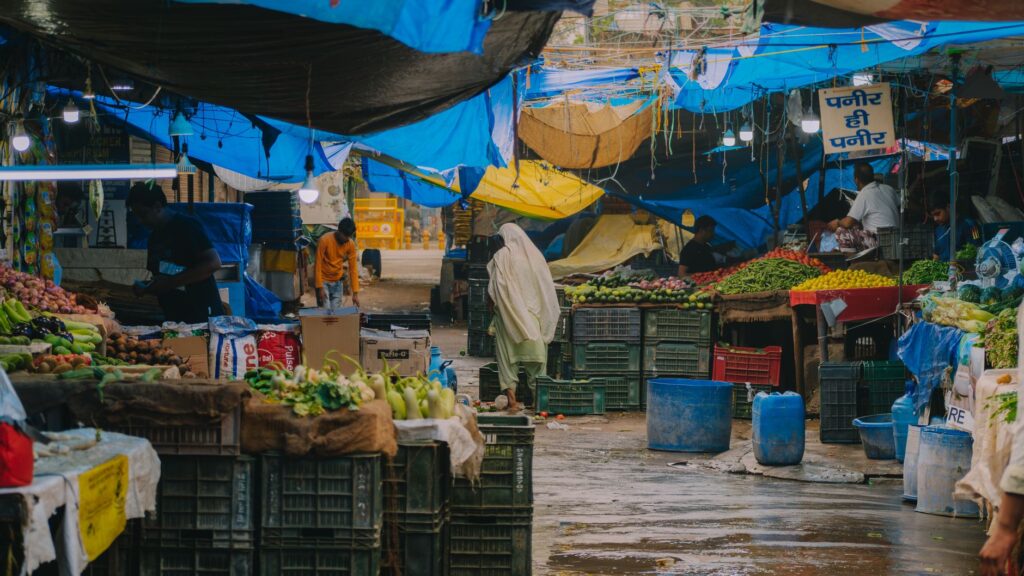

India’s retail inflation accelerated to 4.38% in June, breaching the Reserve Bank of India’s medium-term target of 4% for the first time in 17 months. Released by the Ministry of Statistics and Programme Implementation, the latest Consumer Price Index data caught markets off guard as surging food prices and a sharp pickup in rural inflation ended a long period of price stability. The unexpected spike complicates the central bank’s upcoming monetary policy decisions, raising concerns over the trajectory of economic recovery.
The Context Behind the RBI’s Inflation Target
The Reserve Bank of India operates under a flexible inflation-targeting framework, mandated to maintain CPI inflation at 4% with a tolerance band of 2% to 6%. For nearly a year and a half, the central bank successfully kept headline inflation below the crucial 4% midpoint, allowing policymakers room to support economic growth. This 17-month streak of low inflation provided a stable environment for consumer spending and business investment across major sectors.
However, external shocks and domestic supply disruptions have slowly chipped away at these gains. Economists note that while the upper tolerance limit of 6% remains unbreached, crossing the 4% target threshold signals a shift in momentum that could trigger pre-emptive policy adjustments. The June print serves as a stark reminder of the volatile nature of India’s consumer basket, which remains highly sensitive to agricultural output.
The base effect, which refers to the inflation rate in the corresponding period of the previous year, also played a significant role in the June reading. In the previous year, inflation had dipped significantly during the summer months due to a bumper harvest and proactive government interventions, creating a low base that naturally amplifies this year’s year-on-year percentage increases. As this favorable base effect fades, the true extent of domestic price pressures is becoming more visible to policymakers.
Food Inflation and Rural Pressures Fuel the Surge
The primary catalyst behind the June inflation spike was the volatile food and beverages category, which accounts for nearly half of the overall CPI basket. Prices for essential dietary staples, including vegetables, pulses, and edible oils, recorded double-digit growth in several regions. Supply chain bottlenecks, exacerbated by extreme weather patterns in key agricultural states, severely restricted the flow of fresh produce to urban and rural wholesale markets.
Simultaneously, rural inflation outpaced urban price growth, indicating a deeper structural pressure within the rural economy. Rural consumers spend a higher proportion of their income on food, meaning the localized price hikes hit these populations hardest. Analysts point out that rural wage growth has not kept pace with this sudden rise in living costs, potentially dampening rural demand in the quarters ahead.
Compounding the domestic supply issues are global commodity price fluctuations. Although crude oil prices remained relatively stable during the month, import costs for fertilizers and other agricultural inputs edged higher, forcing farmers to pass down the expenses to consumers.
Expert Perspectives and Macroeconomic Data
Market analysts and investment bank economists had largely projected June CPI to hover around 4.10% to 4.20%. The actual print of 4.38% represents a significant upside surprise that will likely force the RBI’s Monetary Policy Committee to adopt a more hawkish tone. “The breach of the 4% target is a clear signal that supply-side pressures are stickier than previously estimated,” noted Radhika Rao, a senior economist at a leading regional bank. “We expect the central bank to maintain its ‘withdrawal of accommodation’ stance to prevent these transitory food shocks from generalizing into core inflation.”
Core inflation, which excludes the highly volatile food and fuel components, remained relatively stable but showed early signs of firming up. This stability suggests that while aggregate demand is not yet overheating, manufacturing and service sectors are beginning to feel the pinch of higher input costs. If core inflation begins to mirror the upward trend in food prices, the central bank may have limited options but to defer any anticipated interest rate cuts.
Government bond yields responded immediately to the inflation data, with the benchmark 10-year yield ticking upward as investors priced in a longer pause on interest rate cuts. “The RBI cannot afford to ignore this breach, even if it is driven by supply-side food factors,” said an investment strategist at a Mumbai-based brokerage. “With the Federal Reserve and other major global central banks keeping rates high, any premature easing by the RBI could risk capital outflows and put downward pressure on the Indian Rupee.”
Monetary Policy Implications and What to Watch Next
The immediate fallout of the June inflation data will likely be felt in the debt and equity markets, where expectations of an early interest rate cut have now been pushed back. Financial institutions now anticipate that the RBI will maintain the benchmark repo rate at its current elevated level of 6.50% well into the next fiscal year. Prolonged high borrowing costs could slow down private capital expenditure and temper consumer credit growth, impacting overall GDP expansion.
In the coming months, policymakers and investors will closely monitor the progress of the southwest monsoon, which is critical for India’s agricultural output. A well-distributed rainfall pattern in July and August could help cool down food prices by boosting the sowing of summer-sown Kharif crops. Conversely, any prolonged dry spells or uneven distribution of rain could further strain agricultural supply chains, pushing inflation closer to the RBI’s upper tolerance limit of 6%.
Additionally, geopolitical developments in major shipping corridors and their subsequent impact on global supply chains will remain key factors to watch. As global trade routes face ongoing disruptions, the cost of imported inflation remains an active threat to India’s domestic price stability. The RBI’s next monetary policy meeting will be highly scrutinized for signs of how the central bank plans to balance growth objectives against these emerging inflationary pressures.