



The Impact of Rising Fuel Costs on Small Enterprises
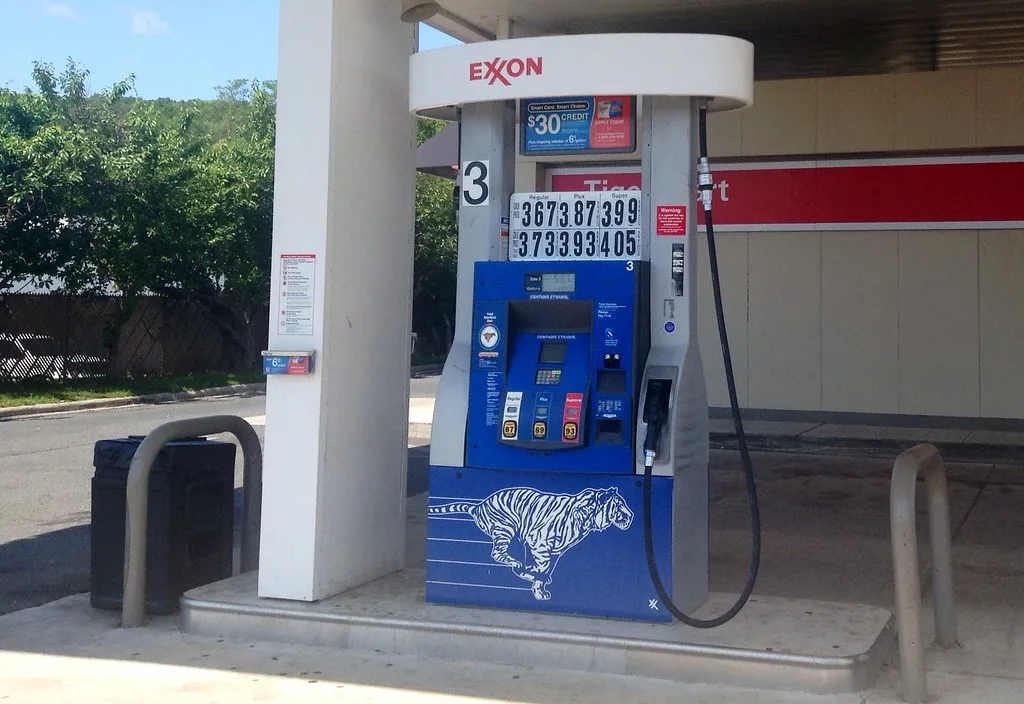
Small businesses across the country are grappling with a significant rise in operational costs as domestic petrol and diesel prices have climbed by 22% and 27% respectively. Sujata Sharma, Joint Secretary in the Ministry of Petroleum, confirmed these figures this week, noting that despite the sharp domestic increase, local rates remain lower than current global benchmarks.
Contextualizing the Energy Shift
This surge in fuel prices follows a period of volatile international crude oil markets that have placed immense pressure on government subsidies and national oil corporations. While the government has attempted to shield consumers from the full brunt of global price spikes, the cumulative impact of these adjustments is now reaching the retail and logistics sectors.
Operational Strain on Small Businesses
Small and medium-sized enterprises (SMEs) are disproportionately affected by these fuel price revisions due to their reliance on road transport for supply chain logistics. Unlike large corporations that may have long-term hedging contracts, small businesses often operate on thin margins, making them highly sensitive to fluctuating variable costs.
Retailers and local distributors are reporting that the cost of last-mile delivery has risen significantly, forcing them to either absorb the expense or pass the burden to consumers. Many small-scale manufacturers are also facing increased utility bills as captive power generation, often powered by diesel generators, becomes more expensive.
Expert Perspectives and Economic Data
Economic analysts suggest that these price hikes could lead to a temporary cooling of consumer demand. Data from recent industry surveys indicates that transportation costs now account for approximately 15% to 20% of the total operating budget for small logistics firms, up from 12% in the previous fiscal year.
Industry experts warn that if these prices continue to trend upward, the inflationary pressure on essential goods will deepen. While the government maintains that domestic prices are still buffered against total global exposure, the lack of a predictable pricing mechanism is creating uncertainty for business owners attempting to forecast their annual expenditures.
Future Implications for the Sector
The immediate outlook for small businesses hinges on their ability to optimize supply chains and improve fuel efficiency. Businesses that can transition to electric vehicles or consolidate shipments are better positioned to weather the current volatility.
Observers should watch for potential government relief measures, such as temporary tax adjustments or subsidies specifically targeted at the logistics sector. In the coming months, the resilience of the SME sector will be tested by these persistent inflationary pressures, and the shift toward energy-efficient operational models is likely to accelerate as a direct result of these market conditions.