



Military Confrontation Disrupts Diplomatic Optimism
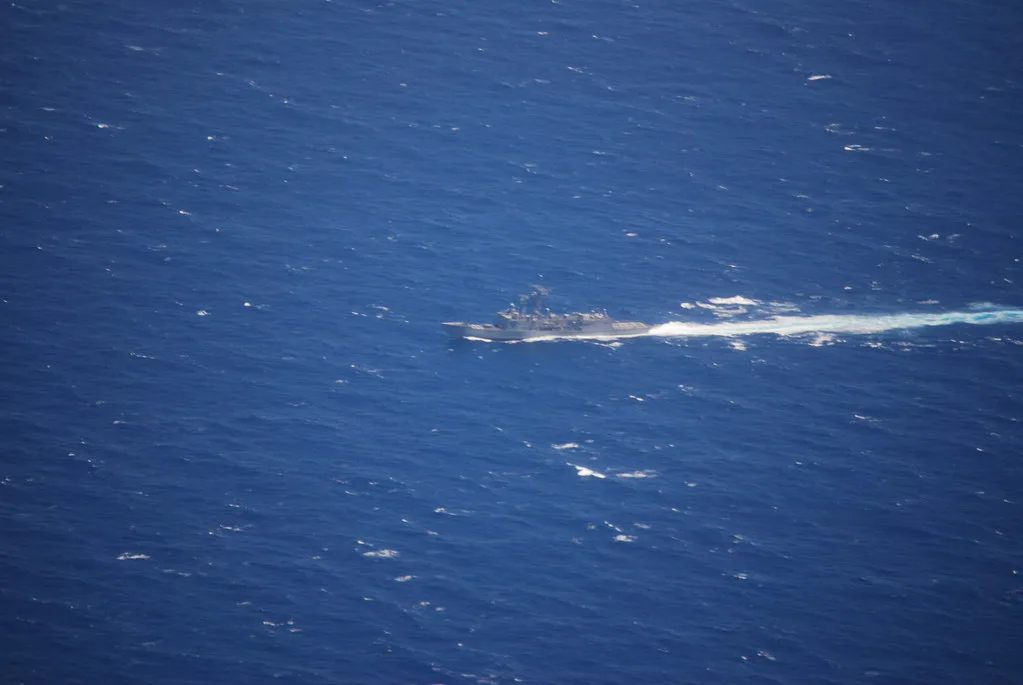
United States and Israeli fighter jets conducted coordinated strikes against a fleet of Iranian naval vessels in the Strait of Hormuz early Tuesday, marking a sudden and violent shift in regional stability. The military action unfolded just hours after President Donald Trump publicly indicated that negotiations regarding a potential interim nuclear deal with Tehran were showing signs of meaningful progress. The strikes represent a sharp escalation in a region that serves as the world’s most critical maritime chokepoint for global oil supplies.
Context of the Maritime Conflict
The Strait of Hormuz has long been a flashpoint for geopolitical friction, with Iran frequently threatening to disrupt transit through the narrow passage in response to international sanctions. Historically, the U.S. has maintained a robust naval presence in the region to ensure the flow of energy resources, while Israel has increasingly viewed Iran’s maritime activities as a direct threat to its national security. The sudden strike follows months of heightened rhetoric and sporadic skirmishes between Iranian naval assets and Western-aligned forces.
Tactical and Strategic Implications
Military analysts suggest that the strikes were designed to neutralize immediate threats posed by Iranian patrol boats, which have been accused of harassing commercial shipping vessels. By deploying both U.S. and Israeli air power, the coalition demonstrated a unified front against Tehran’s regional influence. The move signals a pivot from the administration’s focus on diplomatic dialogue to a more assertive “peace through strength” posture, even as the White House attempts to keep a narrow window for negotiations open.
Expert Analysis of Regional Stability
Security experts note that the synchronization of diplomatic outreach and military force creates a volatile environment for global markets. According to data from the Energy Information Administration, approximately 20% of the world’s total petroleum consumption passes through the Strait of Hormuz daily. Any sustained disruption to this transit point typically triggers immediate volatility in global crude oil pricing. Analysts at the Brookings Institution warn that the dual-track strategy risks alienating Iranian negotiators, potentially hardening Tehran’s resolve and leading to retaliatory asymmetric warfare.
Future Outlook and Market Impact
The immediate consequence for the shipping industry is a surge in insurance premiums for vessels navigating the Persian Gulf. As the situation remains fluid, industry observers are closely monitoring whether Iran will respond with conventional naval maneuvers or through regional proxies. The critical question for the coming weeks is whether the proposed interim deal can survive the friction of active combat operations. Stakeholders should watch for further announcements from the White House regarding the status of nuclear talks and any potential adjustments to naval patrol protocols in the Gulf.