




The Rising Threat of Nocturnal Heat
India is facing a critical public health and infrastructure challenge as record-breaking summer temperatures extend into the night, straining the nation’s power grid and threatening the well-being of millions of residents. Meteorologists and urban planners report that the phenomenon, driven by climate change and dense urbanization, is preventing the natural cooling required for human recovery, leading to a surge in heat-related illnesses across major metropolitan areas.
The Urban Heat Island Effect
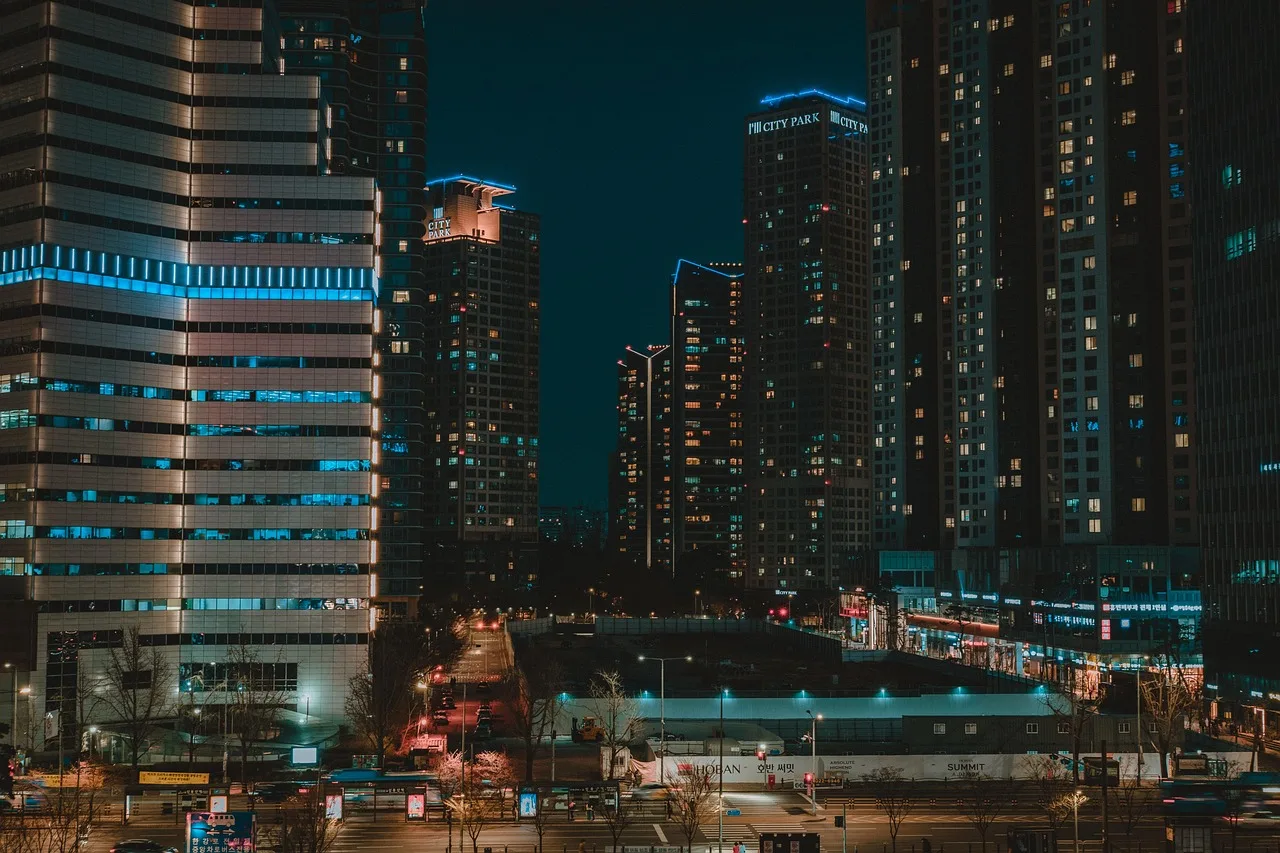
The intensification of nighttime heat is largely attributed to the ‘urban heat island’ effect, where asphalt, concrete, and high-density buildings absorb solar radiation during the day and release it slowly throughout the night. Unlike rural areas that cool down after sunset, India’s rapidly growing cities, such as New Delhi and Mumbai, now frequently experience minimum temperatures that remain significantly higher than historical averages.
This lack of nocturnal relief is particularly dangerous for vulnerable populations, including the elderly and those living in informal settlements. When the body cannot cool down sufficiently during sleep, the cumulative physiological stress increases the risk of cardiovascular events, heat exhaustion, and chronic respiratory issues.
Power Grid Pressures
The relentless heat is pushing India’s electricity infrastructure to its breaking point. As residents rely heavily on air conditioning and cooling fans to survive the stifling nights, the national power grid experiences unprecedented peak demand levels that persist well past midnight.
According to data from the Power System Operation Corporation, electricity consumption has hit record highs during the summer months, forcing utility providers to implement load-shedding measures. When power fails during these extreme heat events, the lack of cooling creates a dangerous feedback loop, leaving residents trapped in rapidly heating indoor environments.
Economic and Health Implications
The economic impact of this trend is multifaceted, affecting labor productivity and public health expenditure. Studies suggest that sustained exposure to nighttime heat reduces the quality of sleep, which directly correlates to decreased cognitive function and physical performance among the workforce the following day.
Public health experts emphasize that current mitigation strategies are insufficient to handle the scale of the crisis. While government initiatives have focused on daytime heat action plans, there is a growing consensus that policies must now shift to address the specific dangers of nocturnal heat, including improved urban ventilation, reflective roofing materials, and more resilient energy distribution systems.
Future Outlook
Looking ahead, the focus for policymakers and urban developers will shift toward heat-resilient infrastructure. Watch for an increase in ‘cool roof’ mandates and the expansion of urban green spaces designed to mitigate the heat island effect. As global temperatures continue to rise, the ability of India’s cities to provide safe sleeping conditions will become a primary metric for urban livability and climate adaptation success.