





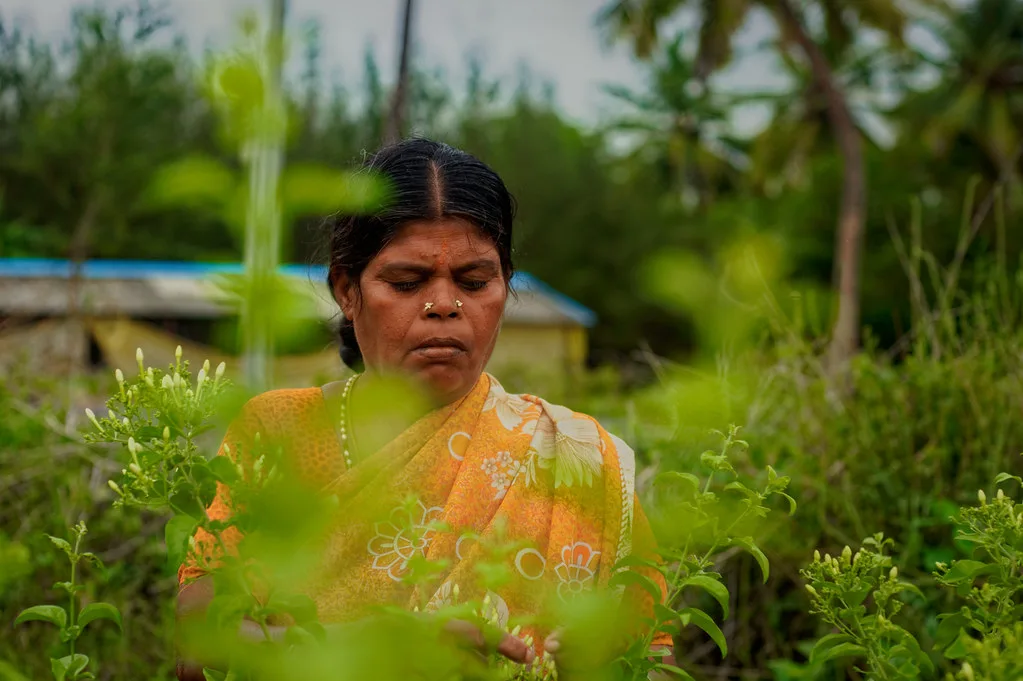
The Andhra Pradesh government officially announced a 60-day prohibition on the sale, distribution, and use of the herbicide paraquat, effective immediately across the state. This regulatory move, enacted this week, aligns the region with neighboring Telangana and Odisha, which have already implemented similar restrictions to address mounting public health concerns and environmental degradation. The ban aims to curb the widespread misuse of the chemical, which has been linked to severe health complications and fatalities among agricultural workers.
Context and Regulatory Landscape
Paraquat is a potent, non-selective herbicide widely utilized in Indian agriculture for controlling stubborn weeds in crops like paddy, maize, and cotton. Despite its efficacy, the chemical is classified as highly toxic; ingestion or significant dermal exposure can lead to irreversible lung damage, organ failure, and death. There is currently no recognized medical antidote for paraquat poisoning, a reality that has driven global regulatory bodies to tighten oversight.
For years, medical professionals and environmental activists in India have lobbied for a complete phase-out of the substance. The state government’s decision follows a series of reported accidental poisonings and suicides where paraquat was the primary agent. By imposing this temporary ban, authorities intend to evaluate the efficacy of current agricultural practices and explore the feasibility of transitioning to safer, bio-based alternatives.
Agricultural Impact and Industry Perspectives
The agricultural sector remains divided on the implications of the ban. Proponents argue that the move is long overdue, citing the high social and medical costs associated with the chemical’s availability. Dr. Anirudh Rao, an agricultural toxicologist, notes that the lack of protective gear among smallholder farmers makes the use of paraquat particularly lethal. “The risk-to-benefit ratio is heavily skewed against the farmer, who often lacks the training to handle such hazardous materials safely,” Rao stated.
Conversely, some farming cooperatives have expressed concern regarding the short-term impact on crop yields. They argue that without an immediate, affordable substitute, farmers may struggle to manage weed growth during the current planting season. Industry data suggests that paraquat is favored for its rapid action and cost-effectiveness, making the transition to expensive, less toxic alternatives a significant financial burden for resource-constrained producers.
Broader Implications and Future Outlook
This 60-day window serves as a critical testing ground for the state’s agricultural policy. The government is expected to use this period to conduct a comprehensive audit of pesticide distribution channels and launch awareness campaigns regarding integrated weed management (IWM). The success of this initiative will likely influence the national stance on the chemical, as the central government continues to review the broader Pesticide Management Bill.
Looking ahead, observers should monitor whether the state extends this ban into a permanent prohibition after the 60-day period expires. The outcome will likely hinge on the availability of affordable, safer alternatives and the government’s ability to support farmers through the transition process. If effective, the Andhra Pradesh model may provide a blueprint for other Indian states currently grappling with the balance between agricultural productivity and public safety.