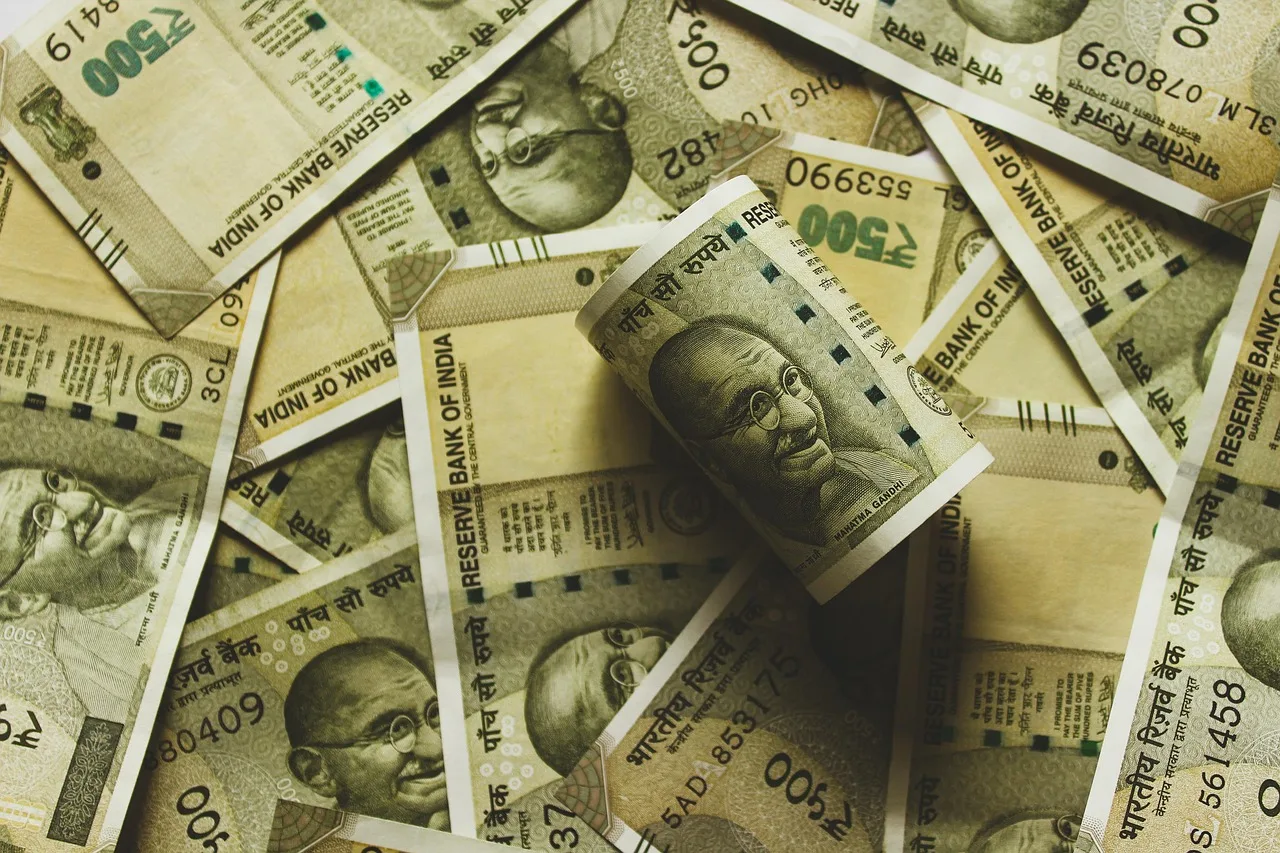




Chief Economic Advisor (CEA) V. Anantha Nageswaran announced this week that Indian households are projected to see a substantial increase in disposable income throughout the current fiscal year. Speaking at a national economic forum in New Delhi, Nageswaran cited robust macroeconomic indicators and a cooling inflation environment as the primary drivers for this anticipated boost in consumer purchasing power.
Contextualizing the Economic Shift
The projection follows a period of volatile global commodity prices and domestic inflationary pressures that had previously constrained household budgets. Over the last two years, the Reserve Bank of India (RBI) implemented aggressive monetary tightening to curb rising costs, which inevitably impacted consumer spending capacity.
As supply chain disruptions normalize and global crude oil prices stabilize, the Indian economy has shown resilience. The government’s focus on capital expenditure and infrastructure development has further stimulated job creation, providing a firmer foundation for wage growth across various sectors.
Drivers of Increased Purchasing Power
The primary catalyst for higher disposable income is the moderation of headline inflation. When the cost of essential goods and services stabilizes, the remaining portion of household earnings effectively expands.
Furthermore, formalization of the economy is playing a critical role. Data from the Ministry of Finance suggests that increased compliance and digital transaction adoption are bringing more workers into the formal payroll system. This shift generally correlates with better wage structures and more predictable income streams for millions of Indian families.
Corporate sector earnings have also remained healthy, prompting many firms to restore or increase annual salary increments. According to recent industry surveys, human resource departments are reporting a return to pre-pandemic salary growth trajectories, particularly in the manufacturing and technology services sectors.
Expert Perspectives and Data Analysis
Independent economists note that while the CEA’s outlook is optimistic, it is supported by consistent growth in private final consumption expenditure. The latest National Statistical Office (NSO) data indicates that domestic consumption remains a primary pillar of India’s GDP growth, accounting for nearly 60% of the total economic output.
However, analysts warn that the distribution of this wealth remains uneven. While urban centers are experiencing rapid income growth, rural areas are catching up at a slower pace. The government’s emphasis on agricultural productivity and rural infrastructure is intended to bridge this divide, ensuring that the benefits of the rising disposable income are felt nationwide.
Future Implications for the Industry
For the retail and consumer goods sectors, this trend signals a potential surge in discretionary spending. Businesses are expected to pivot their strategies toward premiumization as households gain the financial flexibility to move beyond essential purchases.
Financial institutions are also preparing for increased credit demand. With higher disposable income, more households are likely to qualify for loans, potentially accelerating the uptake of mortgages, vehicle financing, and personal credit products.
Looking ahead, market observers will be watching the upcoming quarterly inflation data and RBI’s subsequent monetary policy meetings. If the trajectory of disposable income continues to rise without triggering a new wave of demand-pull inflation, the economy may enter a period of sustained, high-growth consumption that could solidify India’s position as one of the fastest-growing major economies globally.