




The Indian Renewable Energy Development Agency (IREDA) has officially entered into a strategic agreement to finance and facilitate a 900 MW hydropower project in Nepal, marking a significant milestone for cross-border energy cooperation in South Asia. This development, announced this week, aims to bolster regional energy security while accelerating the transition toward sustainable power sources across the subcontinent.
Context of Cross-Border Energy Integration
India and Nepal have long sought to leverage the immense hydroelectric potential of the Himalayas to meet growing domestic demand. Nepal possesses an estimated 42,000 MW of economically viable hydropower capacity, yet infrastructure deficits have historically limited its extraction and export capabilities.
By collaborating with IREDA, a specialized public sector enterprise under India’s Ministry of New and Renewable Energy, the project gains access to critical financial expertise and technical frameworks. This initiative aligns with the broader “South Asia Power Pool” vision, which seeks to create an integrated regional electricity market to reduce reliance on fossil fuels.
Strategic Scope and Project Details
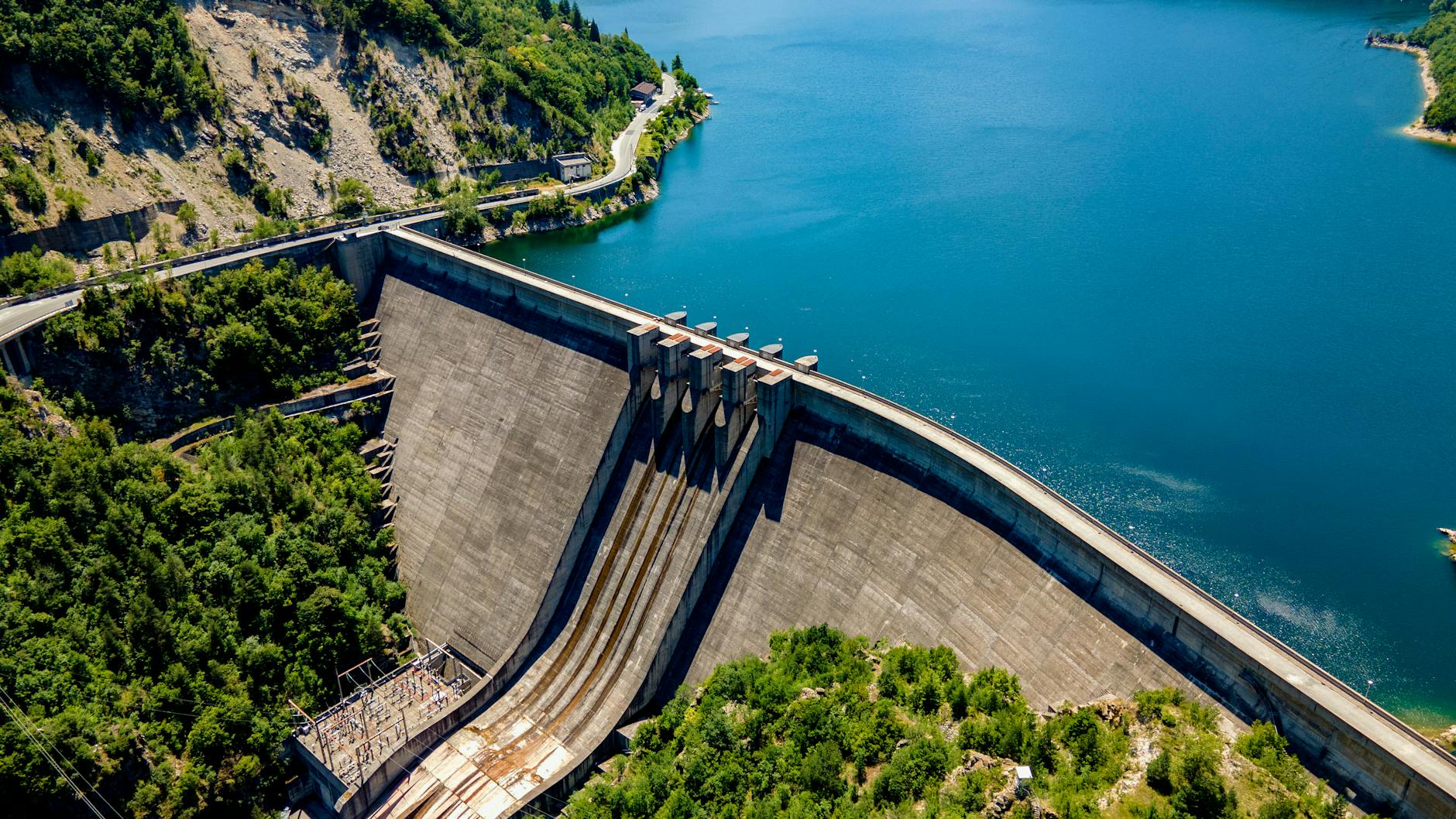
The 900 MW project represents a substantial increase in the generation capacity available to the regional grid. Large-scale hydroelectric dams are increasingly viewed as essential “baseload” renewable energy, capable of providing stable power to offset the intermittency of solar and wind energy.
Technical assessments suggest that the project will utilize high-flow river systems to ensure consistent output throughout the year. Beyond mere electricity generation, the project is expected to include significant transmission infrastructure upgrades, enabling more efficient power evacuation between the two nations.
Expert Perspectives on Regional Impact
Energy analysts note that the partnership signals a shift toward multilateral development finance in the renewable sector. “This agreement is not just about a single plant; it is about establishing a repeatable financial model for regional infrastructure,” says Dr. Aruna Singh, an analyst specializing in trans-boundary energy projects.
Data from the International Renewable Energy Agency (IRENA) supports this, noting that regional grid connectivity can reduce the cost of renewable energy integration by as much as 20% in developing markets. By sharing resources, both nations can optimize their energy mix and reduce carbon footprints simultaneously.
Industry Implications and Future Outlook
For the renewable energy industry, this partnership provides a blueprint for future investments in neighboring countries. It highlights the role of government-backed agencies in de-risking large-scale infrastructure projects that private investors might otherwise find too volatile.
As the project moves into the construction phase, stakeholders will be watching the environmental impact assessments closely to ensure the project meets global sustainability standards. The success of this 900 MW venture will likely serve as a litmus test for future collaborations, potentially opening the door for similar agreements across Bhutan, Bangladesh, and beyond. Observers should monitor the upcoming bilateral technical meetings for updates on transmission timelines and grid synchronization protocols.