





Indian Prime Minister Narendra Modi issued a seven-point national appeal in Secunderabad last week, urging citizens to adopt austerity measures to navigate the deepening economic fallout of the conflict in West Asia. The call to action follows the February 28, 2026, escalation of hostilities and the subsequent closure of the Strait of Hormuz, which has severely disrupted global oil supply chains and placed immense pressure on India’s fiscal stability.
Context of the Global Energy Crisis
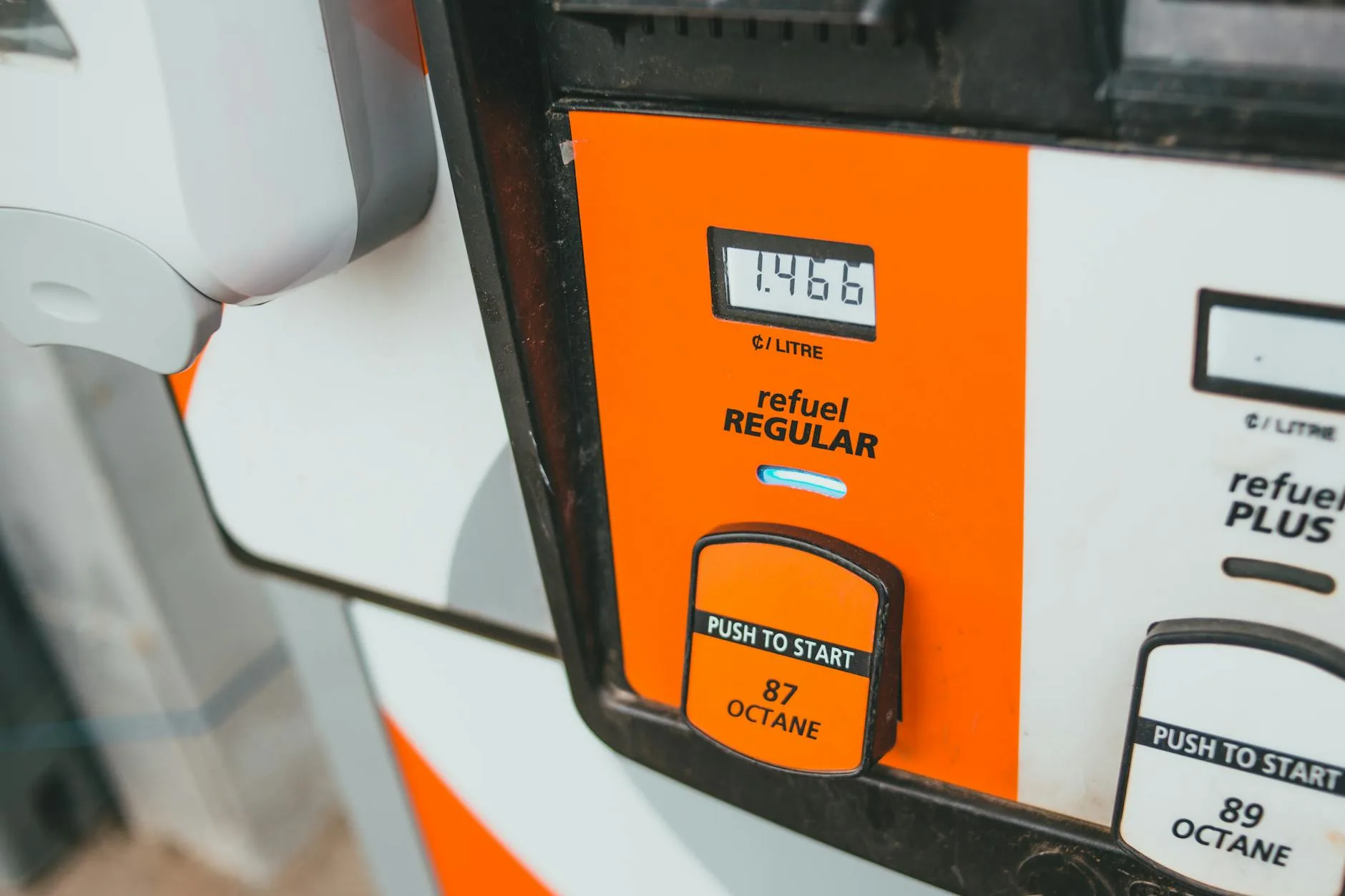
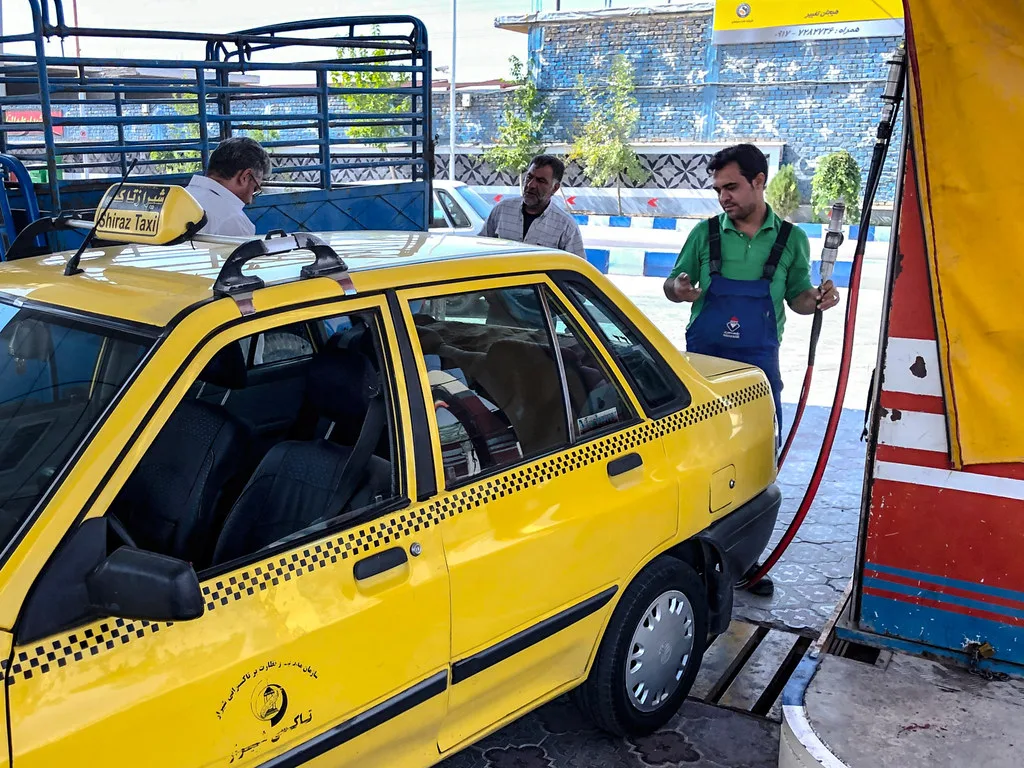
The current crisis was triggered by coordinated airstrikes in the Middle East, leading to the death of Iran’s Supreme Leader and a total blockade of the Strait of Hormuz. With 20 percent of the world’s oil passing through this maritime chokepoint, the closure has caused crude prices to surge toward $120 per barrel. As an economy that imports 90 percent of its oil, India faces a critical macroeconomic vulnerability, with domestic oil marketing companies reporting monthly under-recoveries of approximately Rs 30,000 crore.
The Seven-Point Economic Strategy
Prime Minister Modi’s strategy focuses on curbing the outflow of foreign exchange and reducing reliance on imports. His key directives include prioritizing remote work, limiting fuel consumption through public transport and EVs, and reducing non-essential gold purchases. Furthermore, the Prime Minister emphasized a shift toward indigenous ‘Swadeshi’ products, a 50 percent reduction in chemical fertilizer use in favor of natural farming, and a one-year moratorium on non-essential foreign travel.
Economic Implications of Gold and Travel
India remains the world’s second-largest consumer of gold, with households holding an estimated 34,600 tons of the metal. Because India produces negligible amounts of gold domestically, every purchase requires an outflow of dollars, which has contributed to the rupee’s 6 percent decline against the dollar this year. By discouraging gold imports and foreign vacations—sectors that drained $31.7 billion in 2023-2024—the government aims to stabilize the current-account deficit and preserve foreign reserves for essential energy and fertilizer imports.
Expert Perspectives and Industry Outlook
Economists note that while these measures are framed as national duty, they serve as a strategic buffer against imported inflation. The shift toward natural farming and solar-powered irrigation is intended to lower the agricultural sector’s dependence on imported diesel and chemical inputs. For industries, the return to work-from-home arrangements is viewed as a pragmatic solution to manage urban fuel demand without requiring a formal lockdown, mirroring the operational resilience developed during the COVID-19 pandemic.
Looking Ahead
The effectiveness of these measures will depend on the duration of the Strait of Hormuz blockade and the volatility of global crude prices. Market analysts will be closely monitoring the Reserve Bank of India’s fiscal updates and the adoption rates of public transport in metropolitan hubs. As the government prioritizes the preservation of foreign reserves, observers should watch for potential adjustments in import duties and further incentives for the domestic EV ecosystem to sustain the current momentum in energy conservation.