




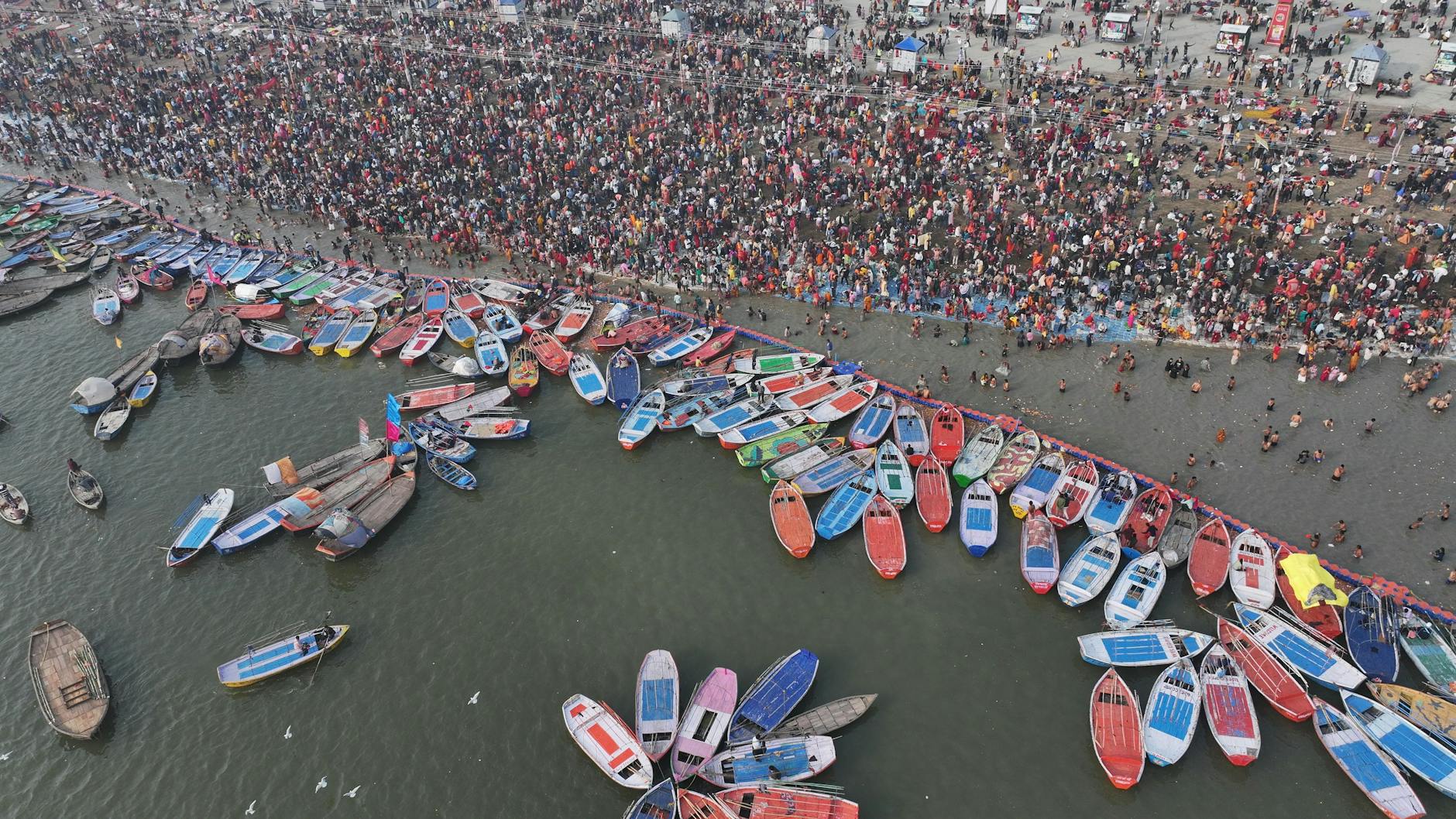
The upcoming Mahakumbh in Prayagraj, India, is set to transcend its traditional role as a massive religious gathering, emerging instead as a significant economic catalyst for the region. As millions of pilgrims, tourists, and international observers prepare to converge on the confluence of the Ganges, Yamuna, and Saraswati rivers in early 2025, local and state authorities are positioning the event as a showcase for India’s cultural heritage and burgeoning economic infrastructure.
The Evolution of a Cultural Phenomenon
The Mahakumbh has historically been recognized as the largest human congregation on the planet, rooted in ancient Hindu tradition. However, recent iterations have shifted from purely spiritual events to complex, large-scale logistical operations requiring billions of dollars in investment.
The Uttar Pradesh government has allocated substantial funding to upgrade urban infrastructure, including road networks, power grids, and sanitation facilities. These improvements serve the immediate needs of the festival while providing long-term benefits to the local economy and resident population.
Economic Impact and Revenue Generation
Economists suggest that the Mahakumbh functions as a multi-sectoral stimulus package. The hospitality, transport, and retail sectors report significant surges in activity, with projections suggesting the event could generate upwards of $1.5 billion in revenue for the state.
Local artisans and small-scale manufacturers are also expected to see a boost in demand for traditional crafts and spiritual goods. The integration of digital payment systems and modern logistical platforms is streamlining the flow of commerce within the temporary festival city, often referred to as a ‘Kumbh Nagari.’
Infrastructure as a Long-term Investment
Beyond the temporary tents and pavilions, the event acts as a deadline for accelerated urban development. By compressing years of infrastructure projects into a shorter timeline, the government is effectively fast-tracking the modernization of Prayagraj.
Urban planners note that this ‘event-driven development’ model provides a blueprint for managing high-density urban populations. The focus on sustainable waste management and digital connectivity during the festival serves as a pilot program for broader smart-city initiatives across India.
Expert Perspectives and Global Integration
Industry analysts emphasize that the international exposure of the Mahakumbh is a key component of India’s ‘Incredible India’ tourism campaign. By facilitating easier access for foreign visitors, the event aims to increase the long-term footprint of international tourism in northern India.
Data from previous gatherings indicates a high correlation between infrastructure investment and subsequent growth in local business registrations. As the event gains global recognition, the influx of foreign currency and investment interest continues to climb, providing a measurable return on the state’s initial expenditure.
Looking Ahead: The Future of Mass Gatherings
The primary concern for stakeholders is the long-term maintenance of the infrastructure installed for the event. Observers will be watching how local authorities manage the transition from a high-intensity festival environment back to standard urban operations.
Furthermore, the integration of AI-driven crowd management and real-time data analytics during the Mahakumbh will set a new standard for global event management. The success of these technologies may influence how other nations approach the logistics of massive, recurring international gatherings in the coming decade.