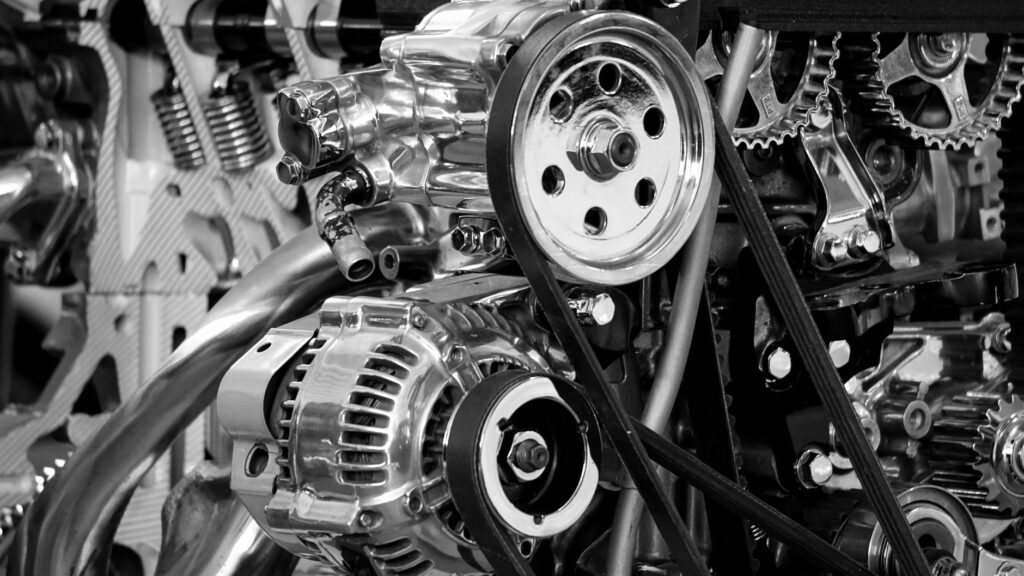

Mumbai-based engineering firm Greaves Cotton is aggressively restructuring its business model to reduce its historical dependence on diesel-powered three-wheeler engines, signaling a permanent shift toward electrification and diversified industrial solutions. In the current fiscal year, the company has reported significant growth in its non-diesel segments, including clean energy, industrial machinery, and international exports, as it seeks to navigate the global transition toward sustainable mobility.
The Legacy Context
For decades, Greaves Cotton served as a cornerstone of the Indian transport sector, primarily as a manufacturer of diesel engines for last-mile connectivity. However, tightening emission regulations and the rapid adoption of electric vehicles (EVs) have forced the company to re-evaluate its long-term viability.
By pivoting toward Greaves Electric Mobility, the firm has positioned itself to capture a larger share of the two-wheeler and three-wheeler EV market. This transition follows a broader industry trend where legacy automotive suppliers are forced to innovate or risk obsolescence as internal combustion engine (ICE) demand wanes.
Diversification and Industrial Expansion
The company’s recent performance indicators highlight a deliberate strategy to balance its portfolio across three core pillars: energy, industrial solutions, and exports. Management has emphasized that revenue from non-diesel sources now represents a substantial portion of their total turnover, providing a buffer against the volatility of the traditional engine market.
Industry analysts point to Greaves Cotton’s acquisition strategy as a critical component of this evolution. By acquiring companies that specialize in battery technology and precision engineering, the firm has effectively shortened its research and development cycle. These acquisitions allow the company to integrate new technologies into its existing distribution network, which remains one of the largest in the country.
Expert Perspectives
Financial analysts note that the company’s ability to maintain healthy margins during this transition is a testament to its operational efficiency. “Greaves is successfully leveraging its deep-rooted supply chain relationships to scale its new ventures,” says an independent market analyst tracking the capital goods sector.
Data from the company’s recent quarterly filings suggests that its international business is also gaining traction, particularly in markets where compact, durable engineering solutions are in high demand. This global focus helps mitigate risks associated with regional policy changes regarding diesel usage.
Future Implications and Industry Outlook
For shareholders and stakeholders, the core question remains whether the pace of revenue growth from new segments can outstrip the natural decline in the legacy engine business. The company’s continued appetite for strategic acquisitions suggests that it is not finished building its technological arsenal.
Investors should monitor the company’s capital expenditure on EV charging infrastructure and the performance of its industrial solutions division in the coming quarters. As the global shift toward electrification intensifies, Greaves Cotton’s ability to execute its diversification strategy will serve as a bellwether for other legacy manufacturers struggling to adapt to the post-diesel industrial era.