
Market Response to Economic Data
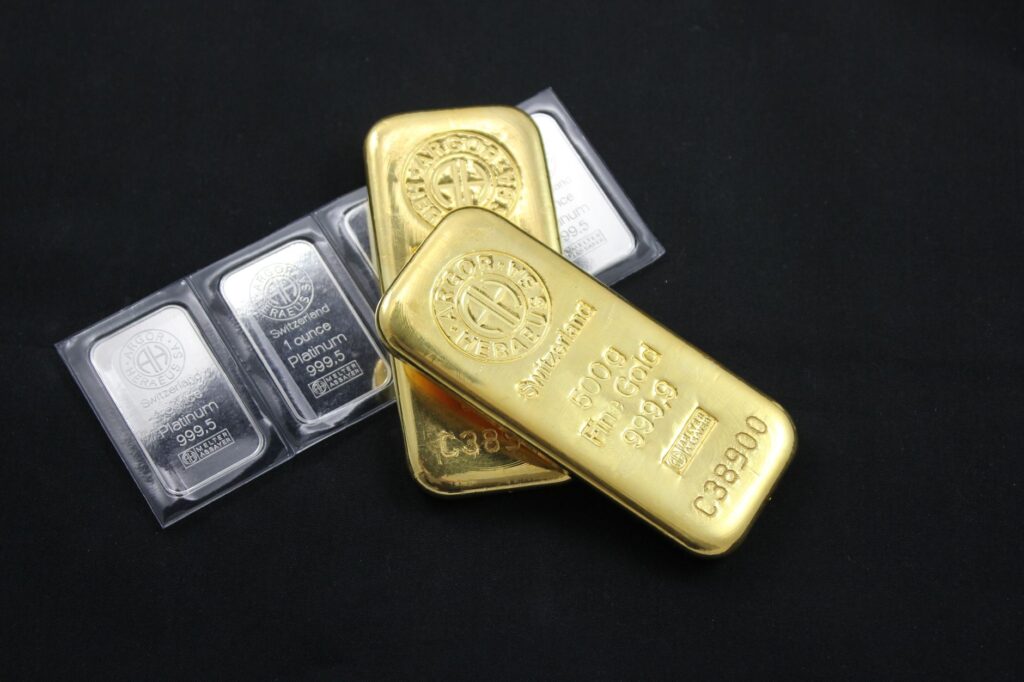
Precious metals experienced a significant rally on July 3, as Comex gold futures climbed to $4,208 and silver futures reached $63.50. The surge follows the release of a weaker-than-expected US jobs report, which signaled a cooling labor market and sparked investor optimism regarding the Federal Reserve’s future monetary policy.
By diminishing the likelihood of aggressive interest rate hikes, the employment data triggered a decline in the US dollar index. Since gold and silver are priced in dollars, the currency’s depreciation made these commodities more attractive to international investors, driving trading volume higher.
Contextualizing the Federal Reserve Pivot
For months, the Federal Reserve has maintained a hawkish stance to curb persistent inflation. Investors have closely monitored the labor market as a primary indicator of economic health and a key metric for policy adjustments. High interest rates typically pressure non-yielding assets like gold, as investors gravitate toward higher-yielding alternatives such as Treasury bonds.
When employment figures fall short of expectations, it often suggests that the economy is decelerating. This cooling effect provides the Federal Reserve with a justification to pause or slow down the pace of interest rate increases, a move that historically provides a tailwind for precious metal prices.
Analytical Perspectives on Market Volatility
Financial analysts point to the inverse relationship between the US dollar and commodities as the primary driver of today’s price action. As the dollar weakened against a basket of currencies, the hedge-seeking behavior of institutional investors intensified.
Data from the Comex exchange indicates that short-covering—where traders buy back futures contracts to close out bearish positions—contributed to the rapid ascent of gold and silver prices. Market participants are now recalibrating their portfolios to account for a potential shift in the central bank’s trajectory toward a more neutral stance.
Implications for Investors
The current volatility in the precious metals market underscores the sensitivity of commodities to macroeconomic indicators. For institutional and retail investors alike, the decoupling of gold prices from high-interest rate expectations suggests a potential change in market sentiment regarding long-term inflation hedges.
As the industry looks ahead, observers will be paying close attention to upcoming Consumer Price Index (CPI) releases and further labor market updates. Should these data points continue to confirm a cooling economy, the momentum behind gold and silver may persist. Conversely, any unexpected signs of economic resilience could prompt a swift reversal, making the coming weeks a critical period for monitoring central bank rhetoric and global economic stability.