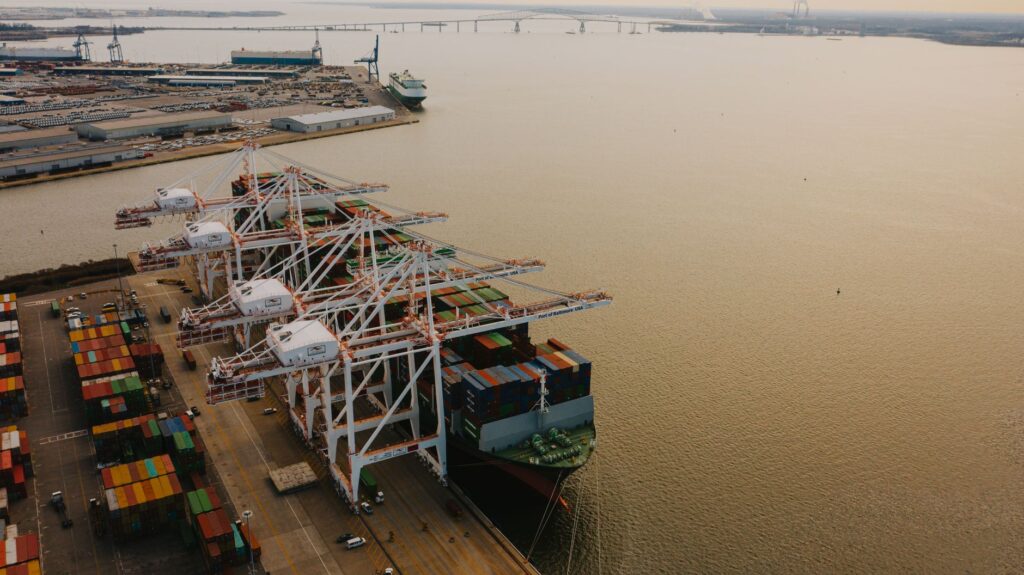

The Indian government has officially extended the customs duty exemption on critical petrochemical imports for an additional 15 days, pushing the deadline to July 15. This strategic intervention, implemented by the Ministry of Finance, aims to maintain a seamless flow of raw materials into the country amid ongoing volatility in global trade routes. The extension serves to mitigate the risk of supply shortages caused by persistent disruptions in West Asia, which have hampered maritime logistics and increased freight costs over recent months.
Context of the Global Supply Chain Crisis
Petrochemicals form the backbone of several domestic industries, ranging from plastics and textiles to pharmaceuticals and automotive components. The geopolitical instability in West Asia has significantly impacted the Red Sea shipping corridor, a vital artery for global trade. By removing the financial burden of customs duties, the government intends to lower the landed cost of these essential inputs for domestic manufacturers who are currently grappling with inflationary pressures.
Economic Implications for Domestic Industry
Industry experts suggest that this 15-day window provides a crucial buffer for manufacturers to secure inventory without incurring prohibitive costs. The petrochemical sector has faced significant headwinds as freight rates soared, leading many companies to operate on thin margins. Data from the Ministry of Commerce indicates that consistent raw material availability is essential to prevent production halts in downstream manufacturing units that rely heavily on these imported chemicals.
Expert Perspectives on Market Stability
Market analysts note that while the extension is a positive short-term measure, it reflects the ongoing fragility of global supply chains. “The decision highlights the government’s proactive stance in insulating domestic producers from exogenous shocks,” stated a lead economist at a major trade research firm. By ensuring duty-free access, the government effectively prevents a supply-side crunch that could otherwise lead to price hikes for end consumers.
Future Outlook and Strategic Monitoring
Looking ahead, the industry will closely monitor whether this 15-day extension will be followed by a more permanent policy adjustment or if the government intends to phase out the exemptions as shipping conditions normalize. Stakeholders are advised to keep a close watch on maritime insurance premiums and cargo movement data from the Suez Canal region, as these indicators will likely dictate the next phase of government trade policy. If the regional conflict in West Asia continues to escalate, further extensions or targeted interventions for specific petrochemical commodities may become a necessity to keep the industrial sector competitive.