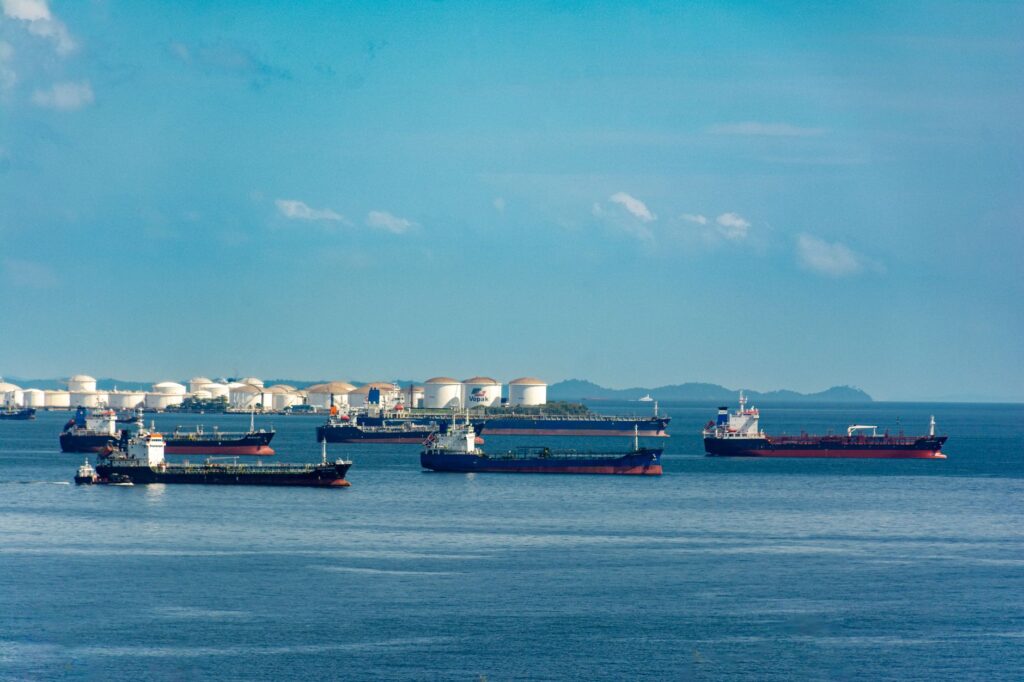

Market Volatility Follows Supply Stabilization
Crude oil prices experienced a sharp 5% decline this week as maritime traffic through the Strait of Hormuz returned to normal operations, effectively mitigating fears of a major supply disruption. Brent crude, the global benchmark, dropped to $72 per barrel, contributing to a significant 20% decline throughout the month of June.
The sudden price correction follows weeks of heightened geopolitical tension that had previously pushed oil prices toward annual highs. As tankers resumed transit through the vital chokepoint, traders moved quickly to unwind risk premiums associated with potential shipping blockades.
Context of the Global Energy Chokepoint
The Strait of Hormuz serves as the world’s most critical oil transit point, with approximately 21 million barrels of petroleum passing through daily. This volume represents roughly 20% of global daily oil consumption, making it a focal point for international energy security.
When geopolitical tensions rise in the Middle East, markets typically react with immediate volatility. The recent stabilization indicates that diplomatic efforts and increased security presence have successfully reassured international shipping companies, allowing for the resumption of standard delivery schedules.
Market Dynamics and Investor Sentiment
The 20% plunge in June reflects a broader shift in investor sentiment as supply concerns dissipate. Analysts point to the rapid normalization of flows as the primary driver for the sell-off, which has seen Brent crude retreat from the $80-plus levels observed earlier in the quarter.
Data from commodity trading desks shows that institutional investors are repositioning their portfolios to account for a more stable supply environment. The decrease in speculative long positions suggests that the market is currently prioritizing fundamental supply-demand balances over geopolitical risk hedging.
Expert Perspectives on Price Trajectory
Market analysts note that while the immediate supply threat has receded, the underlying market remains sensitive to OPEC+ production quotas. Despite the current price drop, producers continue to monitor global inventory levels to determine future output adjustments.
Financial experts suggest that the current price of $72 per barrel may serve as a psychological floor for the industry. If prices continue to slide, there is an increased likelihood of coordinated production cuts among major oil-exporting nations to stabilize revenue streams.
Future Implications for Consumers and Industry
The decline in crude prices is expected to filter through to consumer markets in the coming weeks, potentially lowering fuel costs for motorists and reducing overhead for energy-intensive manufacturing industries. Lower energy prices generally act as a tailwind for broader economic growth by increasing discretionary income for households.
Investors and industry stakeholders should monitor upcoming OPEC+ meetings and any new developments regarding regional naval security. While the immediate crisis has passed, the volatility of the past month serves as a reminder of how quickly energy markets can shift based on logistical stability in critical maritime corridors.