




Strengthening Infrastructure for Global Competitiveness
Industry stakeholders in West Bengal have formally petitioned the new BJP-led administration to prioritize infrastructure upgrades and streamlined regulatory approvals. The move aims to position the state as a dominant player in India’s multi-billion-dollar rice export market. By calling for immediate intervention, trade groups hope to address long-standing logistical bottlenecks that have historically hindered the sector’s growth.
The Context of West Bengal’s Rice Production
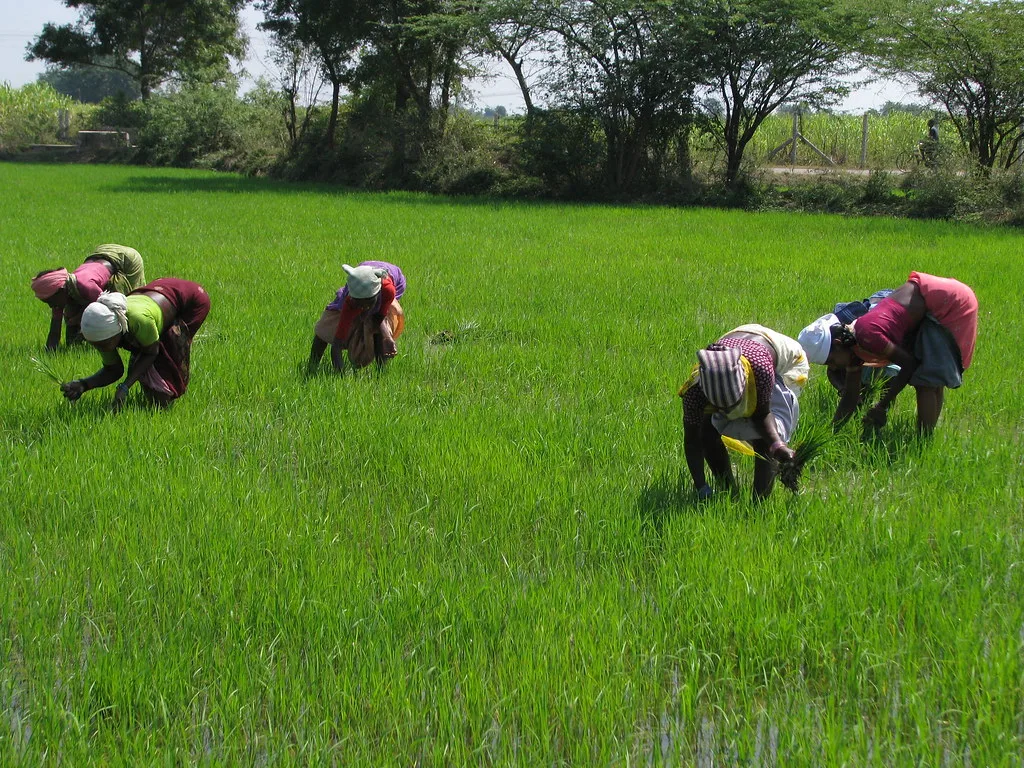
West Bengal consistently ranks as one of India’s largest rice-producing states, contributing significantly to the national food basket. Despite this high output, the state has struggled to translate its agricultural bounty into a robust export business compared to counterparts in the north and south. Industry experts attribute this disparity to a lack of cold chain facilities and limited access to efficient, export-oriented processing technology.
Logistical Challenges and Regulatory Hurdles
Current data indicates that high transportation costs and port congestion remain the primary barriers for local rice exporters. Stakeholders argue that the current bureaucratic framework for export certifications is unnecessarily cumbersome, often leading to delays that affect product freshness and market competitiveness. The industry is now seeking a single-window clearance system to expedite the movement of goods from paddy fields to international shipping vessels.
Expert Perspectives on Market Potential
Agricultural economists suggest that with the right policy support, West Bengal could significantly increase its share of basmati and non-basmati rice exports. According to recent trade reports, global demand for high-quality Indian rice has surged, yet West Bengal’s participation remains constrained by supply chain inefficiencies. Dr. Anirban Chatterjee, an analyst in regional trade, notes that “integrating state-of-the-art warehousing near major transit hubs could effectively lower the cost of doing business by 15% within the first two years.”
Strategic Implications for the Industry
For local farmers and millers, the proposed reforms represent a shift toward high-value market participation rather than relying solely on domestic government procurement. Enhanced export promotion policies are expected to attract private investment into processing units, fostering a more value-added approach to rice production. If the government aligns its infrastructure spending with these industry demands, the state could witness a transformation in its agricultural economic profile.
Monitoring Future Developments
The coming months will be critical as stakeholders await the government’s response to these infrastructure demands. Observers should look for announcements regarding state-level logistics policies and potential subsidies for export-grade milling equipment. The long-term success of this initiative will likely hinge on the government’s ability to coordinate between the agricultural department and the ministry of commerce to create a cohesive, export-friendly ecosystem.