





Deepening Energy Diplomacy in Gujarat
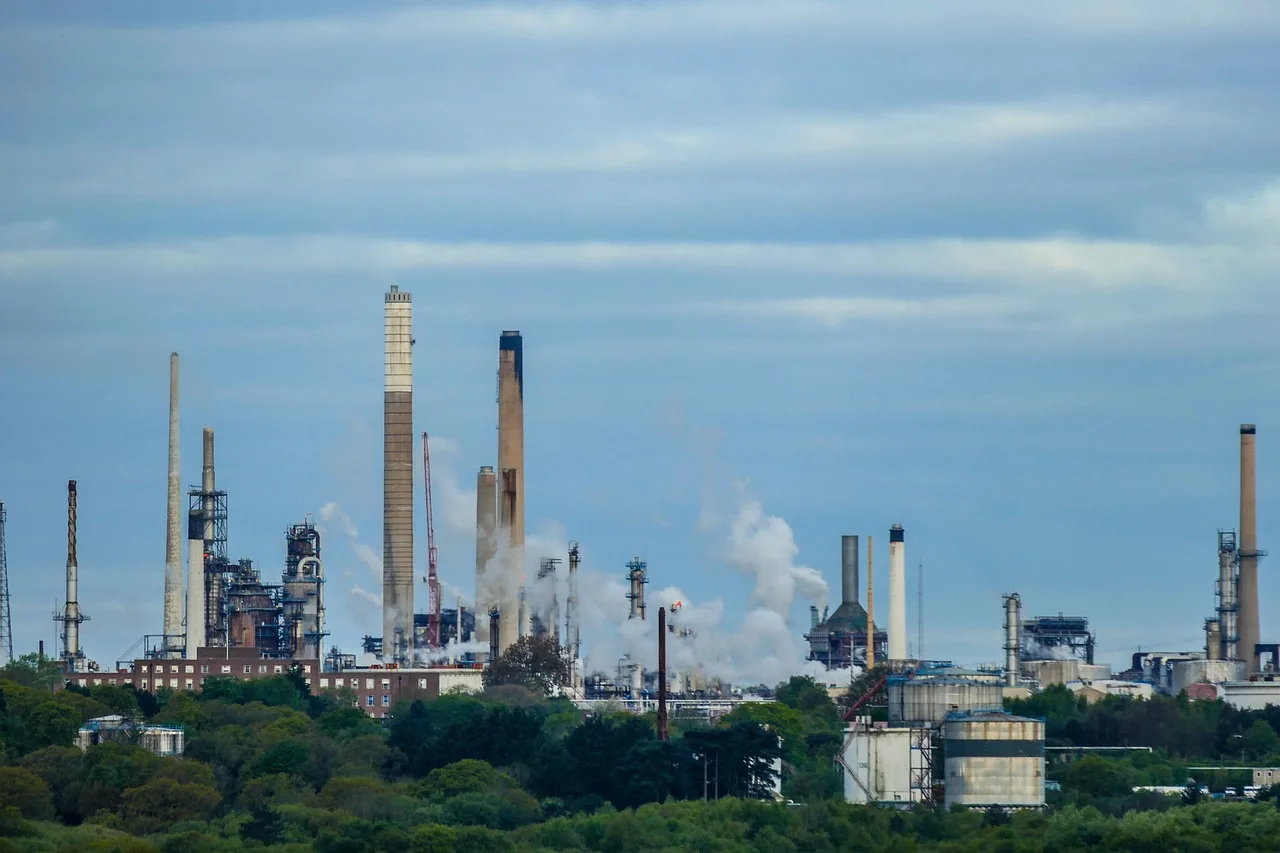
Venezuelan Vice President Delcy Rodríguez visited Reliance Industries’ Jamnagar refinery in Gujarat, India, this week to inspect the world’s largest oil refining complex and discuss the future of bilateral energy cooperation. This high-level diplomatic visit highlights a strategic effort by Caracas to solidify its foothold in the Indian market, as both nations seek to expand trade relations centered on the processing of heavy Venezuelan crude.
The Context of India-Venezuela Oil Relations
India, the world’s third-largest oil consumer, has historically relied on various global suppliers to meet its massive energy demands. Venezuela, which holds the world’s largest proven oil reserves, has long sought to bypass geopolitical bottlenecks to export its heavy crude, which requires sophisticated processing technology.
The Jamnagar refinery, operated by Reliance Industries, possesses advanced coking units capable of refining the low-quality, heavy crude oil that Venezuela produces. This technical compatibility has made the facility a critical destination for Venezuelan exports, especially as global supply chains face volatility from regional conflicts and international sanctions.
Strategic Implications of the Visit
During the tour, Rodríguez praised the facility’s technological sophistication, describing the refinery as a benchmark for modern industrial efficiency. The visit serves as a signal to global markets that Caracas is actively pursuing partnerships with non-Western powers to sustain its petroleum-dependent economy.
For India, the partnership offers a potential avenue to diversify its energy basket. By deepening ties with Venezuela, New Delhi aims to secure more competitive pricing for its state-owned and private refineries, reducing dependence on traditional suppliers in the Middle East.
Industry Perspectives and Economic Data
Energy analysts suggest that the visit underscores the “technical necessity” of this relationship. Because many global refineries are not equipped to handle the high sulfur content and density of Venezuelan crude, facilities like Jamnagar are essential for the viability of the South American nation’s export sector.
According to data from the International Energy Agency (IEA), India’s refinery capacity is expected to grow significantly over the next decade. As the country moves toward a greener energy future, the short-term reliance on heavy crude remains a primary economic driver for industrial growth.
Future Outlook and Geopolitical Shifts
The strengthening of India-Venezuela energy ties will likely depend on the stability of global financial systems and the evolution of international sanctions policy. Observers are now watching to see if this visit leads to formal agreements regarding increased crude shipment volumes or potential Indian investments in Venezuelan oil fields.
Market participants should monitor upcoming trade balance reports between the two nations, as any increase in direct oil purchases could signal a broader shift in India’s energy procurement strategy. As both countries navigate complex geopolitical waters, the Jamnagar refinery remains at the epicenter of a critical, mutually beneficial industrial exchange.